
AIDS 2026 Global Village activity submissions are closed
Quick links:
Registration
Submissions
Conference overview
Submissions open: 20 November 2025
Submissions deadline: 27 January 2026
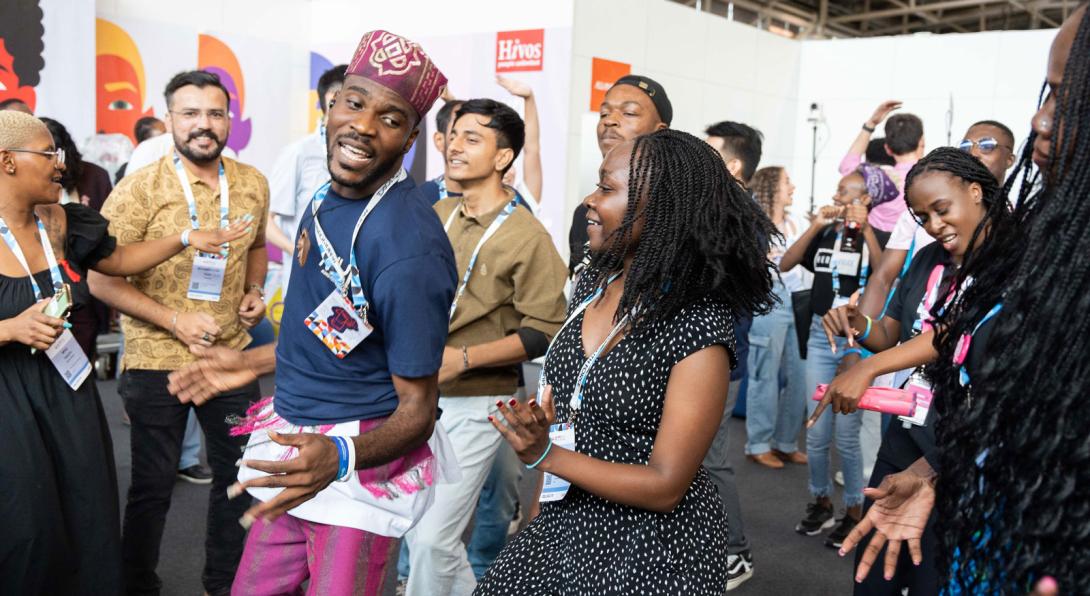
The Global Village is a diverse and vibrant space where communities from all over the world gather to connect, share and learn from each other.
Featuring a blend of speaker sessions, workshops and cultural activities, the Global Village is also a hub for watching live performances, broadening networks and exploring marketplace booths and art exhibits. We accept public applications from a wide range of individuals, groups and organizations.
How to apply
Applications are open from 20 November 2025 to 27 January 2026. Submit your proposal through your conference account or through the link at the top of the page.
You can apply to present or host a range of activities:
Art exhibits will include sculptures, installations, photography and paintings about HIV issues by professional and amateur artists. The art will be exhibited throughout the Global Village.
Films flagging HIV-related issues, including sexual and reproductive health, HIV and co-infections, stigma and discrimination, and human rights, will be available to both in-person and virtual participants. Scheduled screenings will take place in the Global Village.
Live performances will display music, dance and theatre that address issues in the context of any of the following: HIV and other sexually transmitted infections; sexual and reproductive health; HIV and co-infections; stigma and discrimination; and human rights. The live performances will take place in person on the main stage.
Marketplace booths will provide HIV-related non-governmental organizations (NGOs) and their projects with an opportunity to sell their products in person and generate income for reinvestment into HIV programming.
Networking zones are spaces where local and international groups can meet and discuss specific thematic areas. These will take place in person.
NGO booths highlight the work of international civil society-led HIV programmes. These will take place in person.
Sessions feature panel discussions, debates and presentations, with opportunities for Q&As. They will focus on current and emerging HIV-related topics, often with specific emphasis on key and affected populations.
Workshops will showcase community programmes that effectively demonstrate best practice in strengthening public health outcomes in HIV treatment, prevention, care and support. The workshops will emphasize the importance of building skills and capacity in peer-driven programmes and services that illustrate how science translates into action. By sharing the successes of global community responses to HIV, workshops will emphasize the importance of building partnerships and strengthening networks between civil society, policy makers and health professionals.
For questions or technical support, contact globalvillage@aids2026.org.
Youth Pavilion
The Youth Pavilion is the main networking space for young people. As part of the Global Village, it is a space to host youth-led and youth-related meetings and forums that highlight achievements of young people, facilitate networking opportunities and engage participants in dialogue.
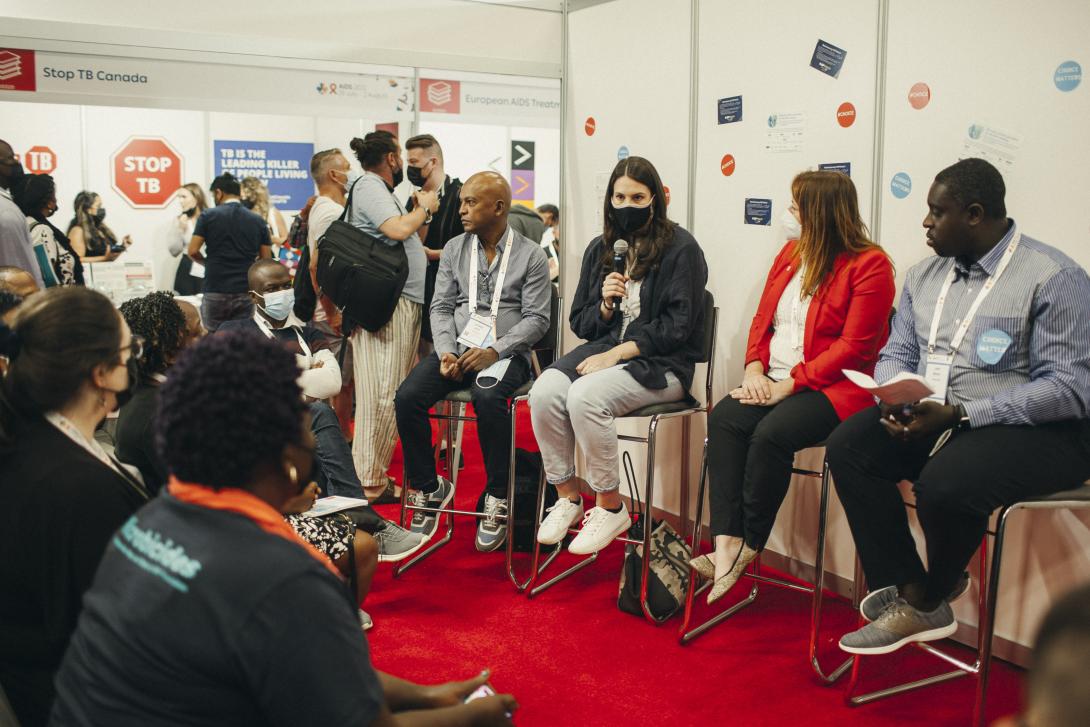
Young people will play an active role in all aspects of AIDS 2026 – not only as delegates, but also as activity organizers, speakers, leaders and peers. The AIDS 2026 Youth Force will be the driving force behind an inclusive and meaningful youth programme that represents young people in all their diversity. The Youth Force sets its own programming to demonstrate the work and needs of young people worldwide.
The Youth Force will also create a unique space – the Youth Pavilion – for young people from different communities and regions to establish connections with each other; this is an important requirement for an effective HIV response. Establishing these connections among young people in the field early in their careers strengthens the relations within the global HIV community and enables future collaborations. Youth Pavilion activities will include cultural and educational performances, presentations, workshops and panel discussions.
The Youth Pavilion will provide a space for young people to participate in youth-specific activities at the conference. Another key objective is to promote the value of intergenerational exchange between older and younger people involved in the global response to HIV. In this way, we encourage all young participants to engage in all parts of the conference programme, as well as youth-specific activities in Rio de Janeiro.
FAQs
What is the AIDS 2026 Global Village?
The AIDS 2026 Global Village is an open-access space at AIDS 2026 in Rio de Janeiro where communities, scientists, activists and the public come together to share, learn and celebrate global HIV responses through art, performance, workshops and discussion.
Who can participate in the Global Village?
Anyone can attend. Community groups, NGOs, researchers, artists and advocates are invited to apply to host sessions, performances or exhibits. The public in the host city is also welcome to visit.
What types of activities are accepted?
Activities include art exhibits, film screenings, live performances, NGO booths, workshops, networking zones and youth-led sessions.
What is the Youth Pavilion?
The Youth Pavilion is a dedicated space within the Global Village for young people to lead discussions, present their work, and engage with peers and mentors. It is coordinated by the AIDS 2026 Youth Force to promote meaningful youth participation in the HIV response.
Who organizes the Global Village?
IAS – the International AIDS Society – organizes AIDS 2026 and its Global Village in partnership with global and local community organizations.
The Global Village gratefully acknowledges the generous support provided by its principal sponsor, Positive Action.