

The AIDS 2026 Organizing Committee, together with the track members, develops the programme of AIDS 2026. This includes abstract-driven sessions along with invited-speaker sessions that discuss scientific, community and leadership aspects of the HIV response, as well as the Global Village programme.
















Track Committees
Track A: Basic and translational science
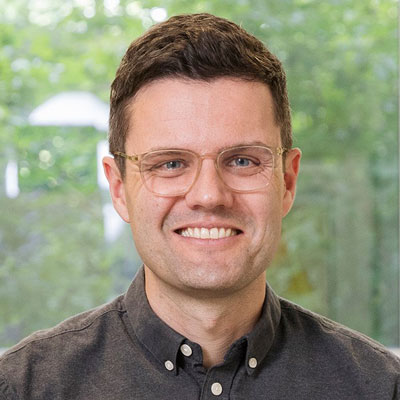
Co-lead: Christian Gaebler
Charité-Universitätsmedizin Berlin, Germany
Christian Gaebler is a Professor at Charité Universitätsmedizin Berlin, leading the Laboratory for Translational Immunology of Viral Infections and co-leading the Personalized Infectious Medicine programme at the Berlin Institute of Health. Previously, he served as an Assistant Professor at Rockefeller University in New York. As a physician-scientist, his research ranges from basic immunology of viral infections to the clinical development of antibody immunotherapies for infectious diseases, with a focus on HIV. Christian’s contributions have earned him significant recognition, including the 2021 Top 10 Clinical Research Achievement Award and the 2023 German AIDS Award from the German AIDS Society.

Co-lead: Fernando Valiente-Echeverria
University of Chile, Chile
Fernando Valiente-Echeverria is a biochemist who holds a PhD in microbiology. He is a Professor and Deputy Director of the Centre for HIV and AIDS Integral Research Virology Program at the Faculty of Medicine, University of Chile. His work is focused mainly on evasion of the host response against acquisition of HIV-1, the impact of biomolecular condensates on viral replication, and characterizing emerging zoonotic pathogens. He is a past president of the Chilean Society of Microbiology and the current national representative in the International Committee on Taxonomy of Viruses and in COVIRED, a strategic initiative of the Ibero-American Program of Science and Technology for Development (CYTED).

Andrés Finzi
University of Montreal, Canada
Andrés Finzi is Professor at the University of Montreal and a researcher at the University of Montreal Hospital Research Centre (CRCHUM). He is a leader in HIV-1 envelope glycoprotein conformational changes, accessory proteins and Fc-mediated effector functions. His work has important implications for the development of new therapeutic strategies to manage HIV-1. Several distinctions and awards have recognized the excellence of his research programme. Since November 2020, he has been a member of the College of the Royal Society of Canada.

Andrew Redd
National Institute of Allergy and Infectious Diseases (NIAID), United States
Andrew Redd is the head of the International Virology Unit at the US National Institute of Allergy and Infectious Diseases, with co-appointments as an Associate Professor at Johns Hopkins University and the Institute of Infectious Disease and Molecular Medicine at the University of Cape Town. Andy received his PhD in virology from Harvard University under the mentorship of Max Essex before continuing his training as a post-doc at NIAID with Thomas Quinn. His research focuses on HIV pathogenesis, co-infection, superinfection and latency in South Africa and Uganda, with a special interest in HIV cure and organ transplantation in people living with HIV.

Jillian Lau
The Peter Doherty Institute for Infection and Immunity, Australia
Jillian Lau is an infectious diseases clinician and early-career researcher at the Peter Doherty Institute for Infection and Immunity in Melbourne, Australia. Her research focuses on HIV remission and cure, in particular, studying immunotherapies in early human clinical trials, and translational research into understanding HIV persistence. Jillian collaborates widely across clinical, laboratory and community sectors, and her work has been recognized with an NHMRC Emerging Leadership Investigator Grant (2025-2029). Her research is driven by a commitment to bridging rigorous science with meaningful community engagement to advance equitable, globally relevant HIV cure strategies.

Natalia Laufer
Instituto de Investigaciones Biomédicas en Retrovirus y SIDA (INBIRS, UBA/CONICET), Argentina
Natalia Laufer graduated as a physician from Favaloro University in 1999. She specialized in infectious diseases and gained her PhD from the University of Buenos Aires and a postgraduate diploma in clinical trials from the University of London. She is a physician-scientist at the Argentinean National Research Council, working at the Institute of Biomedical Research on Retroviruses and AIDS (INBIRS) and Hospital Juan A. Fernández. She is a member of the Hepatitis and Research Commissions of the Argentinean Society of Infectious Diseases and previously served on the Advisory Board of the National Hepatitis Program of the Argentine Ministry of Health. She is a Professor of Immunology and Infectious Diseases at the Faculty of Medicine of the University of Buenos Aires and a postgraduate lecturer at the Pontifical Catholic University of Argentina. She has authored more than 60 publications in international peer-reviewed journals in HIV, viral hepatitis and infectious diseases.

Zaza Ndhlovu
Africa Health Research Institute (AHRI), South Africa
Zaza Ndhlovu is Associate Professor at the Africa Health Research Institute (AHRI), Assistant Professor at Harvard University and a member of the Ragon Institute of MGH, MIT and Harvard. He is an internationally recognized immunologist whose work bridges HIV vaccine and cure research. He investigates T-cell responses and the spatial organization of HIV reservoirs in lymphoid and gut tissues to uncover new pathways toward viral eradication. His laboratory integrates qualified T-cell assays, HLA profiling and spatial multi-omics to advance discovery and clinical translation. A dedicated mentor and leader, he is committed to strengthening Africa’s immunology research capacity through training and technology development.
Track B: Clinical science

Co-lead: Anton Pozniak
Chelsea and Westminster Hospital, United Kingdom
Anton Pozniak is a consultant physician in HIV Medicine at the Chelsea and Westminster Hospital and honorary Professor in the Department of Clinical Research at the London School of Hygiene & Tropical Medicine. He became a Fellow of the Royal College of Physicians in 1996 and a life member of the British HIV Association (BHIVA) in 2014. As a former IAS President (2018-20), he has served on track and coordinating committees for multiple IAS-organized conferences. He is executive member and past president of the European AIDS trial network, NEAT-ID, and serves on WHO, EACS and BHIVA anti-viral guidelines. He is DSMB Chair of the MRC PENTA studies and principal investigator for a test-and-treat project in Tanzania, and a board member of the charity "Doctors for Africa" CUAMM UK. He has published more than 400 peer-reviewed papers.
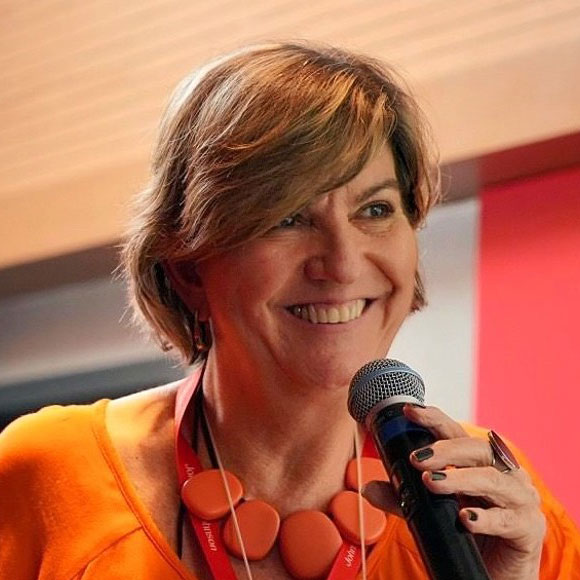
Co-lead: Sandra Wagner Cardoso
Instituto Nacional de Infectología Evandro Chagas (INI-Fiocruz), Brazil
Sandra Wagner Cardoso is a public health researcher and research physician coordinating the Clinical Studies Unit of the HIV/STI Clinical Research Laboratory at INI-Fiocruz. At INI/Fiocruz, she is actively involved in the design, implementation and coordination of research studies aimed at improving healthcare outcomes. She collaborates with national and international research networks and participates regularly in major scientific conferences. She is an active member of the Advancing Clinical Therapeutics Globally for HIV/AIDS and Other Infections Group (ACTG), where she previously served on the Antiretroviral Therapy Strategies Subcommittee, the Viral Hepatitis Subcommittee and the HIV Cure Subcommittee. She is an investigator at-large on ACTG’s Scientific Agenda Steering Committee. Sandra is affiliated with the HIV Prevention Trials Network, HIV Vaccine Trials Network and Caribbean, Central and South America Network for HIV Research. She is a Professor in research-focused and professionally oriented graduate programmes and a medical residency preceptor at INI-Fiocruz.

Allison Agwu
Johns Hopkins University School of Medicine, United States
Allison Agwu is Professor of Adult and Paediatric Infectious Diseases at Johns Hopkins University School of Medicine. She holds a BS (University of Maryland), MD (University of Maryland School of Medicine) and MSc (Johns Hopkins Bloomberg School of Public Health). She completed her internal medicine/paediatric residency at Case Western Reserve University and infectious disease fellowship at Johns Hopkins School of Medicine. She oversees a clinical research programme to coordinate care, treatment and research for vulnerable populations and cares for people across the age spectrum in the paediatric and adult HIV clinics at Johns Hopkins. Allison is founder and medical director of the Accessing Care Early Clinic, Program Director of the Paediatric/Adolescent HIV/AIDS Program, Project Director of the regional JH-WICY Partnership, member of the U.S. Department of Health and Human Services’ Adolescent and Adult Antiretroviral Treatment Guidelines, and immediate past Chair of the HIV Medicine Association and Advocates for Youth Board.

Anchalee Avihingsanon
Thai Red Cross AIDS and Infectious Diseases Research Centre (TRCARC), Thailand
Anchalee Avihingsanon is Director of HIV-NAT, Thai Red Cross AIDS and Infectious Diseases Research Centre in Bangkok, Thailand, and Clinical Research Site Leader for TRCARC within the NIH-funded ACTG network. With over 18 years of experience in HIV, tuberculosis and viral hepatitis research, she has led numerous international and national clinical trials on HIV co-morbidities, frailty, neurocognition, STIs, prevention, HBV functional cure and novel therapies. Her research also spans implementation science and cohort studies to strengthen real-world HIV programme outcomes in resource-limited settings. Anchalee contributes to Thailand’s national health policies on HIV, TB, TPT and hepatitis through multiple expert panels and actively mentors Master’s and PhD students in Thailand and abroad.
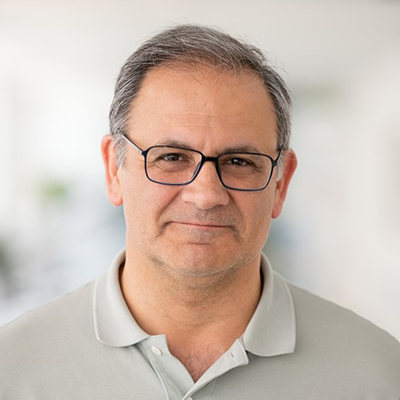
Esteban Martinez
Hospital Clínic of Barcelona, Spain
Esteban Martinez is a senior consultant at the Infectious Diseases Unit, Hospital Clínic de Barcelona, and accredited researcher (R3) in the HIV Group at IDIBAPS. He is Associate Professor of Medicine at the University of Barcelona and has received accreditation as Full Professor (ANECA, 2024). He has served as President of GeSIDA (2019–2021) and EACS (2022–2024) and is currently President of NEAT-ID (2024). Esteban is National Coordinator for EuroSIDA and Co-Chair of the International Symposium on HIV and Neuropsychiatry. He contributes to Spanish and European HIV guidelines, advises multiple health agencies (WHO, EMA, and the Spanish and Catalan governments), and serves on editorial boards of major infectious disease journals, including AIDS, HIV Medicine and Clinical Infectious Diseases.

Monica Jacques de Moraes
State University of Campinas (Unicamp), Brazil
Monica Jacques de Moraes earned her medical degree from Unicamp, completed her residency in infectious diseases at the University of São Paulo, and pursued postgraduate studies at Heidelberg University, Germany. She returned to Brazil in the early 1990s and began her work in HIV care, research and medical education at Unicamp. She was pivotal in establishing one of the first dedicated HIV and AIDS clinics in the State of São Paulo, which today provides comprehensive care to approximately 2,300 people. She has continued serving as an infectious diseases physician, clinical researcher and educator, training medical students and residents. Monica is also a consultant to the Brazilian Ministry of Health. Since 2003, she has been a member of the national ART Guidelines Panel and contributes to several committees that shape Brazil’s response to HIV, playing a central role in developing national guidelines on ART, HIV drug resistance and HIV/TB co-infection.

Simiso Sokhela
Ezintsha, South Africa
Simiso Sokhela is a published clinician and researcher with extensive experience in the management of HIV, TB and NCDs. She worked in South Africa’s public and private health sectors for over 20 years before joining Ezintsha as a senior research clinician more than 10 years ago. Simiso is a principal investigator on several large-scale clinical trials, including the ADVANCE study and COVID-19 prevention and treatment and TB vaccine trials. Simiso served as Chairperson of the Inaugural and 2nd African HIV & Women Workshop, held in Kenya in 2024 and 2025. Her primary research interest is in designing, conducting and disseminating clinical trials of novel HIV treatment strategies for people living with HIV in southern Africa, with the goal of influencing country and global antiretroviral treatment guidelines to improve the quality of life of people living with HIV.
Track C: Epidemiology and prevention science

Co-lead: Jean-Michel Molina
Paris Cité University and Saint-Louis Hospital, France
Jean-Michel Molina is Professor of Medicine at the University of Paris Cité and Head of the Infectious Diseases Department at the Saint-Louis and Lariboisière Hospitals in Paris. He has been involved in studies assessing new drugs or strategies for treatment of HIV; his department follows a cohort of more than 6,000 people living with HIV. He is a member of the French National Institute of Health and Medical Research (INSERM) U1342 team investigating cell biology of viral infections, and is involved in the French National Agency for AIDS Research (ANRS), where he chaired the clinical trial group for the past 12 years. He has broadened his field of interest to the prevention of HIV and STIs and led the ANRS IPERGAY PrEP trial in men who have sex with men, with his unit following more than 3,500 people on PrEP. Jean-Michel has authored many papers in a variety of scientific journals.

Co-lead: Renee Heffron
University of Alabama at Birmingham, United States
Renee Heffron, Professor of Medicine at the University of Alabama (UAB), is a clinical epidemiologist and HIV prevention researcher. Her experience includes execution of implementation science, clinical trials, behavioural science and qualitative research. She leads numerous research projects focused on biomedical HIV prevention using pre-exposure prophylaxis, including studies of novel products and optimizing delivery of efficacious products with close collaborations in Uganda, Kenya and South Africa. At UAB, she is the Director of the Center for AIDS Research, which has a 35-year history of supporting HIV research across disciplines of basic, clinical, implementation and community sciences. Throughout her career, Renee has been a mentor to dozens of trainees, including doctoral students, fellows and early-career investigators at US and African institutions.
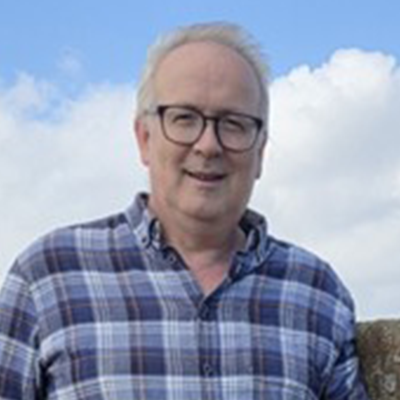
Geoff Garnett
London School of Hygiene & Tropical Medicine (LSHTM), United Kingdom
Geoff Garnett is Professor of Infectious Disease Dynamics and Control and the Dean of the Faculty of Public Health and Policy at the London School of Hygiene & Tropical Medicine. Before joining LSHTM, he was a Deputy Director at the Gates Foundation, responsible for strategies to improve the global efficiency of HIV interventions. As a researcher, Geoff has focused on modelling the transmission dynamics of HIV and other sexually transmitted infections.
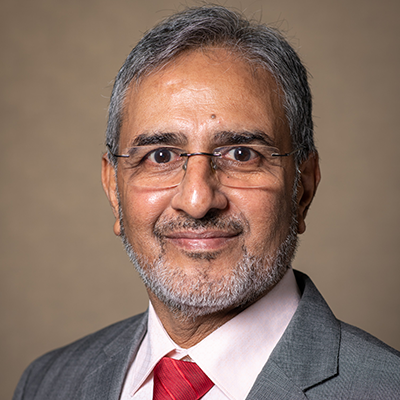
Ishwar Gilada
Unison Medicare and Research Centre, India
Ishwar Gilada is an infectious disease expert, credited as the doctor who began HIV medical management in India by establishing its first HIV clinic at a state government facility in 1986. He established the country’s first comprehensive HIV and infectious diseases centre, Unison Medicare and Research Centre in Mumbai, which he continues to lead. He has organized several conferences of the AIDS Society of India-ASI and other science meetings over four decades. Ishwar has served on the IAS Governing Council since 2018 and is its focal point for the Asia-Pacific region. He is President Emeritus of ASI, co-chairs the Government of India’s National Technical Working Group for engagement of private providers, and is on the HIV Treatment Technical Resource Group. He has been a member of the Permanent Monitoring Panel for Infectious Diseases at the World Federation of Scientists since 2013. His awards include the Annemarie Madison Award (Munich, 1999).

Jennifer Sherwood
amfAR, United States
Jennifer Sherwood is the Director of Research at the Public Policy Office of amfAR, the Foundation for AIDS Research, serving since 2014. In this role, she leads amfAR’s policy-related research portfolio, focusing on examining the public health impacts of US and global HIV policy. Jennifer is a social epidemiologist by training, with methodological expertise in policy evaluation, participatory and community-based research designs, measurement of psychosocial constructs and mixed-methods integration. Jennifer holds a PhD and MSPH from the Population, Family and Reproductive Health department at the Johns Hopkins University School of Public Health and a BA in anthropology and gender studies from Rollins College.

Thesla Palanee-Phillips
University of the Witwatersrand, South Africa
Thesla Palanee-Phillips is a medical scientist whose research has focused on sexual and reproductive health, with emphasis on biomedical HIV prevention with ARV-based microbicides, vaginal rings, oral and injectable PrEP, and bacterial and viral STIs. She is Director of Clinical Trials at Wits RHI in Johannesburg, and holds an Associate Professorship at the University of the Witwatersrand and an Affiliate Associate Professorship at the Department of Epidemiology, University of Washington, Seattle, USA. Through her work, she and her team increase uptake of HIV and STI testing in marginalized populations. Trained as a medical laboratory scientist, she has designed and implemented investigator-initiated research and clinical trials, integrating complex laboratory components, as well as qualitative, behavioural research, into her research efforts. She has a keen interest in questions that bridge HIV prevention with sexual and reproductive health, as well as barriers and facilitators that impact access to healthcare services.

Valdiléa Gonçalves Veloso
Fundaçâo Oswaldo Cruz (Fiocruz), Brazil
Valdiléa Gonçalves Veloso is a Professor at Fiocruz and Vice-Director of Research and Technological Development at the Evandro Chagas National Institute of Infectious Diseases (INI/Fiocruz/MoH). A medical doctor with an MSc in infectious diseases and a PhD in public health, she has extensive experience in HIV research, care and prevention. She led the Care Department of the Brazilian National HIV/AIDS Program and the AIDS Program of the Rio de Janeiro State Health Department. She chairs the ImPrEP project, which implements PrEP for men who have sex with men and trans individuals, and leads PrEP initiatives for vulnerable populations around Rio de Janeiro and people in prisons. She served on HPTN and ACTG scientific and executive committees and was principal investigator for the iPrEX, iPrEX OLE and HPTN 085 studies. Valdiléa teaches in Master’s and PhD programmes at INI/Fiocruz and contributes to Brazil’s Ministry of Health HIV treatment and prevention guidelines.
Track D: Social and behavioural sciences

Co-lead: Benjamin Bavinton
Kirby Institute, The University of New South Wales, Australia
Benjamin Bavinton has worked in the field of HIV prevention and research in Australia and internationally for 20 years. He is a Senior Research Fellow and Group Leader at the Kirby Institute, The University of New South Wales, focusing on the biomedical, behavioural and epidemiological aspects of HIV prevention among gay, bisexual and other men who have sex with men and trans women in Australia and the Asia-Pacific region.
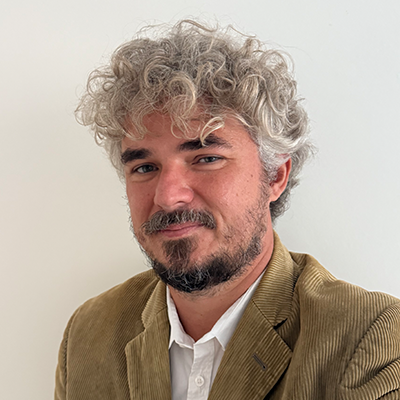
Co-lead: Thiago Torres
Instituto Nacional de Infectología Evandro Chagas (INI-Fiocruz), Brazil
Thiago Torres is a scientist and Professor at INI-Fiocruz in Rio de Janeiro, Brazil. Thiago obtained his PhD in clinical research in infectious diseases from INI-Fiocruz and did postdoctoral training at the Harvard T.H. Chan School of Public Health and San Francisco Public Health Department. He has been working in epidemiological, behavioural, prevention and PrEP implementation studies targeting sexual and gender minorities. He was part of the core team of ImPrEP, the largest PrEP implementation study in Latin America, and is part of the core team of the ImPrEP CAB-Brasil study, which is evaluating implementation of cabotegravir in the public health system. Thiago is the Co-Chair of HPTN 113, which is evaluating the efficacy of a mHealth tool package to support PrEP uptake and adherence among Latino men who have sex with men. He is Co-Chair of the HPTN sexual and gender minorities scientific committee

Carol Strong
National Cheng Kung University, Taiwan
Carol Strong is a Professor in the Department of Public Health at National Cheng Kung University, Taiwan. Her research focuses on HIV prevention, with an emphasis on optimizing PrEP awareness, access, uptake, adherence and long-term persistence across daily, event-driven and long-acting modalities. She also develops and evaluates digital solutions for chemsex harm reduction and has led studies on sexual behaviour and substance use patterns. Her work is grounded in community engagement, health equity and implementation science to ensure culturally relevant and actionable interventions. Carol earned her PhD in health behaviour from the Johns Hopkins Bloomberg School of Public Health. She has published in leading journals, such as the Journal of the International AIDS Society and The Lancet HIV.
Charlie Witzel
University College London and Mahidol University, Thailand
T Charles Witzel is a principal research fellow at University College London and Mahidol University, Thailand. Charlie obtained his PhD in public health from the London School of Hygiene & Tropical Medicine. He currently leads a programme of co-production research exploring sexualized drug use among gay, bisexual and other men who have sex with men in Thailand. He also contributes to work on mpox responses and outbreak preparedness in non-endemic settings. His previous research focused on new prevention technologies for HIV and the impact of COVID-19 on sexual and gender minorities in the UK and Republic of Ireland.

Erin Wilson
San Francisco Department of Public Health, United States
Erin Wilson’s research is focused on uncovering and addressing underlying systems and structures impacting HIV prevention and care engagement in marginalized populations. She is a senior research scientist at the San Francisco Department of Public Health and a Professor of Epidemiology and Biostatistics at the University of California, San Francisco. Since 2003, a major focus of her work has been developing and testing strategies to reduce HIV-related health disparities within trans and sexual minority adult and youth communities in the US and low- and middle-income countries. Recent multi-level intervention research with in-country partners has identified promising strategies for reducing stigma and mitigating its effects on HIV outcomes in the US, Brazil and Nepal. Her research also focuses on developing methods to reach and engage people who inject drugs in HIV prevention. Her work is community based and partnered, and she dedicates a significant portion of her time to mentorship.
Kelika Konda
University of Southern California, United States, and Cayetano Heredia University, Peru
Kelika Konda is an Associate Professor at the University of Southern California and an Associate Research Professor at Cayetano Heredia University. Kelika has worked in Lima since 2004, focusing on HIV and STI prevention research. She serves on the HVTN and ACTG social and behavioural sub-committees, contributing to the networks’ clinical trials. She has worked with gender- and sexual-minority populations since the start of her career, and has continually focused on strategies to improve HIV and STI prevention and care among these populations.

Yvonne Wangũi Machira
Tafiti Research Group Ltd, Kenya
Yvonne Wangũi Machira is a socio-behavioural scientist and public health strategist with over 20 years of experience across Africa. She works at the intersection of research, evaluation and policy, with expertise in shaping health-related behaviour and guiding evidence-informed programming in SRHR, HIV prevention, vaccine acceptability and health systems strengthening. Her work spans Kenya, Botswana, Ethiopia, Ghana, India, Rwanda, South Africa, Tanzania, Uganda and Zambia. Yvonne has led behavioural research and consulted for such organizations as the African Constituency Bureau for the Global Fund, APHRC, British Council, CIFF, IAVI, IFC, MMV, Plan International, PATH, Strathmore University, University of Nairobi, USAID and the World Bank. She has applied behavioural science to drive uptake of public health innovations and inform clinical R&D. She has led evaluations of large-scale programmes and advised on social accountability, stakeholder engagement and bioethics. Yvonne blends technical depth with strategic influence, making behavioural insights practical and impactful.
Track E: Implementation science, economics, systems and synergies
Co-lead: Renata Arrington Sanders
Children’s Hospital of Philadelphia/University of Pennsylvania School of Medicine, United States
Renata Arrington Sanders is the Division Chief of the Craig-Dalsimer Division of Adolescent Medicine at The Children’s Hospital of Philadelphia and Professor of Pediatrics and Medicine. Previously, Renata was in the Division of Adolescent & Young Adult Medicine at Johns Hopkins School of Medicine with a joint appointment in the Division of Infectious Diseases at the Johns Hopkins Bloomberg School of Public Health’s Departments of Epidemiology and Health, Behavior and Society. She has spent over 20 years caring for people living with and vulnerable to HIV, cultivating research, practice and strategies that address the intersectional and multimodal needs of young people across their life course. Her current roles include serving on the Research Review Committee of the American Board of Pediatrics and Board of Directors of SIECUS, Sex Ed for Social Change and American Sexual Health Association. Renata has been an IAS Member since 2012 and on its Governing Council since 2020.
Co-lead: Saiqa Mullick
University of the Witwatersrand, South Africa
Saiqa Mullick is a Reader/Associate Professor and Director of Implementation Science at the Wits RHI, leading a team driving implementation science research, policy support, demand creation, market shaping and large-scale programme execution. She is a clinician and infectious disease epidemiologist specializing in implementation and evaluation of innovative interventions for HIV prevention, sexual and reproductive health, and climate and health. Saiqa is the principal investigator on studies focusing on generating real-world data on integrated service delivery for young women. She is PI on the Unitaid-funded Project PrEP, has served as Deputy Director for the USAID-funded OPTIONS Consortium, and has served as a strategic leader in the MOSAIC project. Saiqa serves on several national and international technical expert committees, including the national PrEP and STI technical working groups and the WHO STI Guidelines Development Group. She is a frequent speaker at global conferences on HIV prevention and adolescent health and has published extensively.

Danvic Rosadiño
LoveYourself Inc., Philippines
Danvic Rosadiño is Head of Knowledge and Innovations at LoveYourself, a community-based organization in the Philippines that promotes self-worth and delivers sexual health, transgender health and mental health services. With extensive experience in HIV research and programme innovation, he has led such initiatives as Project PrEPPY, which introduced HIV oral PrEP in the Philippines, and SelfCare, which launched unassisted HIV self-testing nationwide. His work spans local and regional HIV and sexual health research, including studies on disease prevalence, self-testing and prevention technologies. As an associate site investigator for the RV583c MOCHI study and contributor to WHO technical working groups, Danvic co-chaired the global development of WHO guidelines on long-acting PrEP options, including cabotegravir and lenacapavir. Balancing advocacy and capacity building, he continues to champion learning, innovation and community empowerment in the HIV response across Asia.

Elizabeth Irungu
Jhpiego, Kenya
Elizabeth Irungu serves as the Regional Technical Advisor for Implementation Science at Jhpiego. She has over 15 years of experience conducting HIV prevention research. Her work focuses on the introduction and scale up of HIV PrEP. Elizabeth leads and supports implementation research studies aimed at identifying effective models for PrEP delivery in Kenya and across central, eastern, southern and western Africa. She is a member of the IAS Governing Council and serves on the PrEP Technical Working Group of Kenya’s National AIDS and STI Control Programme (NASCOP). In addition, she has contributed to several PrEP-related technical working groups convened by the World Health Organization.

Errol L Fields
Johns Hopkins University School of Medicine, United States
Errol L Fields is Associate Professor of Pediatrics at the Johns Hopkins School of Medicine and a physician-scientist specializing in adolescent and young adult health. His clinical and research work focuses on HIV prevention and care, sexual and reproductive health, and health equity among sexually and gender-diverse youth. He uses mixed methods, community-engaged research and social and spatial epidemiology to examine and address HIV and STI disparities affecting Black gay, bisexual and other men who have sex with men. He is the Director of Adolescent and Young Adult HIV Prevention Services at Johns Hopkins, where he leads efforts to expand access to comprehensive, inclusive and community-based HIV prevention and care. As Program Director for the Adolescent Medicine Fellowship, he mentors the next generation of clinician-scientists and clinician-educators committed to advancing evidence-based, equity-driven HIV prevention and adolescent health.
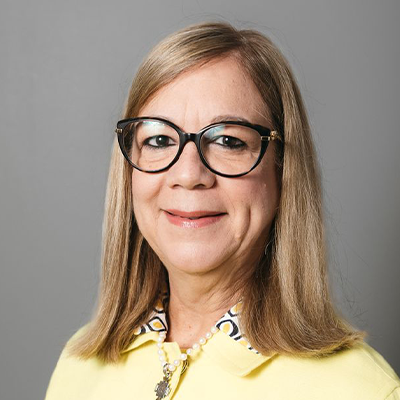
Mónica Thormann
Hospital Salvador Gautier, Dominican Republic
Mónica Cristiana Thormann Peynado is Coordinator for the Prevention of STIs, HIV and Hepatitis at the Ministry of Public Health and Social Assistance in the Dominican Republic. She has a Doctor of Medicine from Centro de Estudios Tecnologicos, Santo Domingo (1983), and specialized in infectious diseases and health. Mónica founded and led the Infectious Diseases Department at Salvador Gautier Hospital. From 2000 to 2002, she was President of the Dominican Society of Infectious Diseases, and helped establish the country’s first and only infectious diseases residency programme. She was Secretary of the Pan-American Association of Infectious Diseases (2007-2009) and pandemic consultant for WHO and PAHO, and has prepared guidelines for pneumococcal diseases in the Pan American Association for Infectious Disease Vaccination for Adults. Mónica has been a member of the CORE HIV/Hep Americas since 2016, Advisor Technical Group for PAHO on TB/HIV co-infection since 2018, and Scientific Committee Latina Forum since 2018.

Sahar Bajis
World Health Organization, United Arab Emirates
Sahar Bajis is a technical consultant in the Department of HIV, TB, Hepatitis, and STIs at the World Health Organization. She provides scientific and research advice and contributes to the development of person-centred global policies and guidelines on viral hepatitis testing and prevention, multi-disease testing (including self-testing) and integrated service delivery models across HIV, viral hepatitis and STIs, with a focus on adaptation and scale up in low- and middle-income countries. She has also provided regional- and country-specific technical advice and support in planning viral hepatitis elimination strategies in the Western Pacific region while at the WHO Regional Office in Manila. Previously, she was a research fellow at the Kirby Institute, University of New South Wales, Sydney, focusing on innovative strategies to optimize hepatitis C diagnosis and treatment among key and vulnerable populations, particularly people who inject drugs, as well as examining the impacts of HTLV-1 among Indigenous communities.
Track F: Political science, laws, ethics, policies and human rights
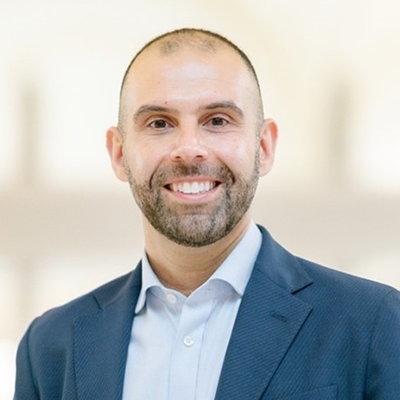
Co-lead: Jirair Ratevosian
Duke University, United States
Jirair Ratevosian is a Hock Fellow at the Duke Global Health Institute and an Associate Research Scientist at Yale University. With two decades of experience spanning public service, non-profit work, the private sector and diplomacy, Jirair has a distinguished track record of advancing global health and human rights initiatives. From 2021 to 2023, he served as Acting Chief of Staff and Health Equity Advisor to Ambassador John Nkengasong at the U.S. State Department. Previously, he led corporate social responsibility in Africa and Asia for Gilead Sciences and was Legislative Director to U.S. Congresswoman Barbara Lee and Deputy Director at amfAR. He holds a doctoral degree from Johns Hopkins Bloomberg School of Public Health, an MPH from Boston University and a BS from the University of California, Los Angeles. His contributions are featured in the Bulletin of the World Health Organization, Time, The Lancet, The New York Times, TheBody and The Washington Post.
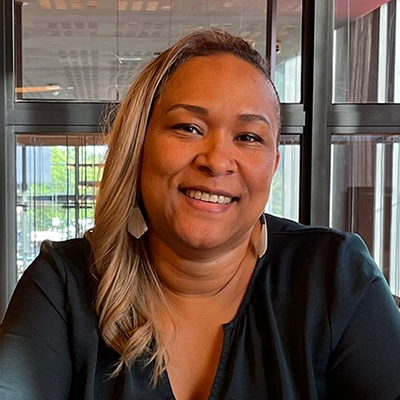
Co-lead: Solange Baptiste
ITPC Global, South Africa
As ITPC Global Executive Director, Solange Baptiste leads a global community of activists and allies working to achieve health and social justice through community engagement. Focusing on HIV as an entry point to the broader right to health, her work encompasses ensuring access to quality treatment, making medicines affordable and building resilient community systems. Central to her leadership is the use of community-generated data to drive innovations that respond to communities’ most pressing challenges. Solange has published widely on community leadership in global health and contributes to technical working and advisory groups at UNAIDS, the Global Fund and WHO; she also serves on the Steering Committee of the Global Public Investment Network. Solange holds a Bachelor of Science in biology from Tuskegee University and a Master of Science in population and international health from the Harvard T.H. Chan School of Public Health. Originally from Trinidad and Tobago, she is based in Johannesburg, South Africa.

Danielle M Campbell
University California San Diego, United States
Danielle M Campbell is a translational biobehavioural researcher with infectious diseases expertise. Her work focuses on equity in HIV treatment, prevention and cure research. As a member of the iSTRIVE research lab at the University of California San Diego and research faculty at Charles R. Drew University of Medicine and Science, Danielle’s work applies an intersectional lens to examine the effect of social, structural and political systems and paradigms of power on the propagation of health inequities among racial, ethnic, sex and gender minority populations, with an emphasis on women and girls. She is a community organizer of campaigns that advance sexual and reproductive health, rights and justice.
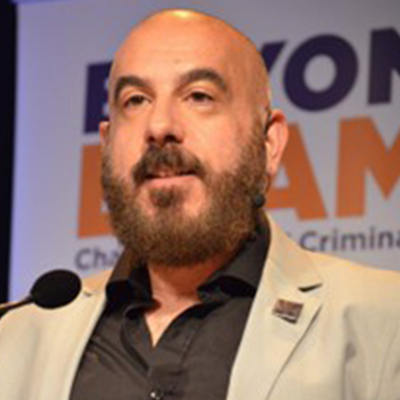
Edwin J Bernard
HIV Justice Network, The Netherlands
Edwin J Bernard is Executive Director of the HIV Justice Network, a community-led organization working globally to end punitive laws and policies that harm people living with HIV in all their diversities. Edwin leads the HIV JUSTICE WORLDWIDE coalition and serves as a key voice in aligning legal systems with scientific evidence and human rights standards. Living with HIV for more than 40 years, he brings deep personal insight and a lifelong commitment to advancing justice, equity and human rights through the intersection of research, science, storytelling and community leadership.

James Gray
Health Equity Matters, Australia
James Gray is a leader in the Australian community HIV response, with a focus on the needs and experiences of gay, bisexual and other men who have sex with men. He is the Principal Director of the Australia Program at Health Equity Matters, the national federation for Australian HIV and LGBTIQA+ organizations. In this role, he is responsible for political and public policy engagement, leading innovative pilot projects to support the national response, and building and sustaining partnerships across the Australian HIV research sector. In addition to his professional work, he is in the final stages of a PhD based at the Kirby Institute, University of New South Wales. His research is focused on the experiences of male HIV sero-different couples in Australia, Brazil and Thailand. The thesis explores the intersection of different forms of relationship agreements, the use of biomedical and barrier HIV prevention methods, and STI transmission.
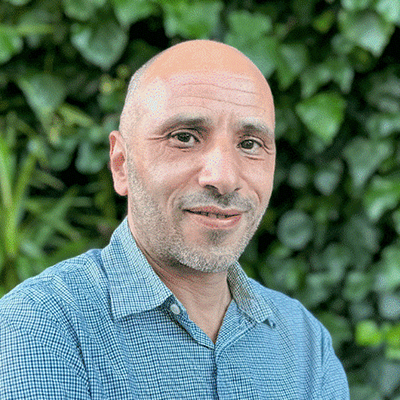
Othoman Mellouk
ITPC Global, Morocco
Othoman Mellouk is a global health specialist with extensive experience in access to medicines, intellectual property and pharmaceutical policy. After several years of medical practice, he joined Morocco’s largest HIV organization in the late 1990s, where he contributed to introducing the first antiretroviral treatments in the country. He is currently the Access to Medicines and Diagnostics Lead at ITPC Global. He is the founder of the Make Medicines Affordable campaign, an initiative active in 24 low- and middle-income countries. The campaign works to remove legal and regulatory barriers that restrict access to affordable, quality-assured generic and biosimilar medicines, while promoting local production as a sustainable pathway toward health sovereignty. Dividing his time between Marrakesh, Morocco and Condeau, France, Othoman remains deeply committed to advancing equitable access to essential health technologies worldwide.

Veriano Terto
ABIA - Associação Brasileira Interdisciplinar de Aids, Brazil
Veriano Terto holds a degree in psychology from the State University of Rio de Janeiro (1985), a Master’s in Clinical Psychology from the Pontifical Catholic University of Rio de Janeiro (1989) and a Doctorate in Collective Health from the State University of Rio de Janeiro (1997). He was project coordinator and general coordinator of the Brazilian Interdisciplinary Aids Association (ABIA) from 1989 to 2012, working mainly on HIV and AIDS, public policies, human rights, same-sex orientation and sexuality. From 2002 to 2004, Veriano was a visiting researcher at the Center for Research in Anthropology of the Body and Health of the Graduate Program in Social Anthropology of the Federal University of Rio Grande do Sul. He was a Visiting Professor at the Institute of Studies in Collective Health of the Federal University of Rio de Janeiro from 2013 to 2015 and, since 2017, has been Vice-President Director of ABIA.
Global Village Programme Committee
Co-Chairs
Paulo Dos Santos

Paulo Dos Santos is a 28-year-old physician from Buenos Aires, Argentina. He works in the Infectious Diseases Department at Hospital Fernandez, where he provides healthcare to people living with HIV and key populations. He is also a sub-investigator on research projects and trials run by the department and a lecturer at the University of Buenos Aires.
Thiago Jerohan
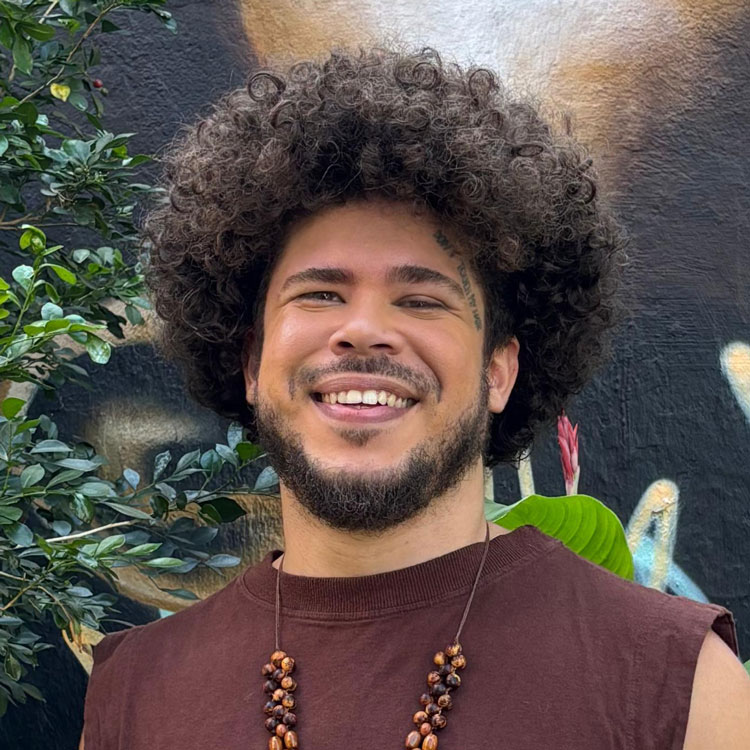
Thiago Jerohan is an activist and graduate in social communication with seven years of experience in project and organizational management. As a communicator, they have dedicated themself to producing and teaching political and impactful communication, strengthening many social organizations throughout Brazil. As a strategic manager, they founded and, for six years, led an organization that supported activists across the country. During this period, Jerohan also briefly served as a consultant to UNICEF and a project advisor at UNAIDS Brazil. Recently, they served as Project Advisor at Gestos, where they are the focal point for institutional relations on HIV and AIDS and gender and sexuality diversity. As a person living with HIV, black, non-binary, and bisexual, Jerohan has participated in several movements for the rights of people living with HIV, LGBTQIAPN+, people who use drugs and other discriminated-against populations. They have a solid relationship with organizations throughout Brazil and abroad.
Local or regional members
Keren Dunaway

Keren Dunaway is a young feminist consultant from Honduras working at regional and global levels. She leads the coordination of the PLHIV Stigma Index Technical Assistance Programme, supporting countries to generate evidence for rights-based advocacy. As Global Programme Officer at the International Community of Women Living with HIV, she ensures gender perspectives in research and policy work. Keren is one of the Latin America and Caribbean representatives to the NGO Delegation to the UNAIDS PCB and a Steering Committee member at Women4GlobalFund. Her work focuses on gender equality, HIV and sexual and reproductive justice.
Kimberly Springer

Kimberly Springer is an advocate, activist and feminist from Trinidad and Tobago. She is dedicated to amplifying the voices of young women, adolescent girls and young mothers across the Caribbean. Kimberly champions the rights of people living with and affected by HIV, survivors of gender-based violence, and people facing reproductive rights violations and climate injustice. As a youth representative of the Trinidad and Tobago Community for Positive Women and Girls, Kimberly drives community-led change. A certified Youth Mental Health First Aider, she is deeply committed to promoting holistic well-being, empowerment and equality.
Luciana Kamel
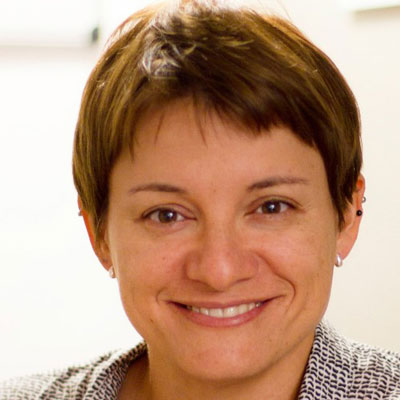
Luciana Kamel holds a Master’s degree in community psychosociology and social ecology and undergraduate degrees in psychology and law. She is currently a PhD candidate in collective health at IMS/UERJ and a certified specialist in science communication at Fiocruz. Her work focuses on the intersection of scientific research and community engagement in HIV. She leads the Community Education Team for HIV clinical studies at INI/Fiocruz and has contributed to the development of clinical trial protocols for broadly neutralizing antibodies. Luciana actively serves on national and international scientific and community advisory committees, including NIH networks, CROI and the Latin American HIV Cure Consortium.
Stacy Velásquez

Stacy Velásquez Vásquez is a Guatemalan trans woman who has been a migrant refugee since 2004 as a result of her gender identity. She identifies as biracial and heterosexual. Stacy has been Executive Director of OTRANS-RN since 2018, is the founder of the feminist movement, PlaTRANSforma, and received the Dutch government’s Tulip Award for Human Rights in Central America in 2021. Stacy holds a Bachelor of Science and Humanities, and is a student of law at the Rural University of Guatemala. She is a representative of the transgender sector before the National Commission on AIDS, CONASIDA. Stacy supports the establishment of diverse trans collectives and groups in the country’s interior. She has contributed to international platforms, including REDLACTRANS, advocating for human rights, and to the development of Guatemala’s healthcare strategy for trans people. She has been a speaker for civil society on Bill 5395 (Gender Identity in Guatemala) and a member of the Cairo +25 Multidisciplinary Group on Population and Development.
International members
Alexei Lakhov

Alexei Lakhov has been the Executive Director of the European Network of People who Use Drugs, leading community-driven advocacy for the rights, health and inclusion of people who use drugs across Europe. He served as an NGO Europe Delegate to the UNAIDS Programme Coordinating Board (2022-2024) and engaged with UNODC, EUDA and WHO on harm reduction and drug policy reform. With over 20 years of experience in civil society leadership across eastern Europe and central Asia, Alexei advances peer-led responses, sustainable financing and digital innovation in health and social policy.
Brian Ragas
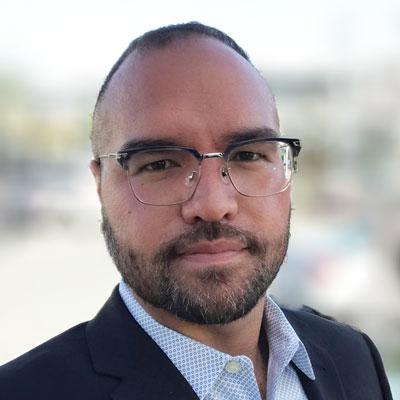
Brian Ragas has over a decade of experience advancing health equity and human rights through civil society organizations. He has a strong background in strategic communications and partnership development. As Director of Black Health at the San Francisco AIDS Foundation, Brian oversees community-driven programming and partnerships while leading initiatives that address emerging health challenges. He holds a degree in ethnic studies from San Francisco State University and studied at the Africa Centre for HIV/AIDS Management at Stellenbosch University. He is currently pursuing global health policy studies at the London School of Hygiene & Tropical Medicine.
Ruth Akulu

Ruth Akulu is an economist and award-winning HIV prevention and youth advocate. Ruth is the founder of HopeStone Insight Uganda, which focuses on advancing health justice by promoting evidence-based and economically sustainable solutions grounded in community realities. Ruth was an AVAC Fellow for 2022/3. Openly living with HIV, she combines lived experience with professional expertise to champion the meaningful inclusion of adolescent girls and young women in national and global decision-making platforms, such as the Country Coordinating Mechanism Board for the Global Fund. Ruth also serves on the Young Women HIV Prevention Council and the African HIV Control Working Group, among others.