

Rapporteurs have the important task of objectively recording the proceedings and groundbreaking presentations at AIDS 2026.

Throughout the conference, an international team of rapporteurs will report on conference highlights across all tracks.
All summaries will be published on this page during the conference. A rapporteur session will be held immediately before the closing session on Friday, 31 July. This session will synthesize the presentations throughout the conference, focusing on critical issues, important results and key recommendations put forward.
Summaries
Rapporteurs
Track A: Basic and translational science
Lead rapporteur: Catherine Kegakilwe Koofhethile

Catherine Kegakilwe Koofhethile
Botswana Harvard Health Partnership, Botswana
Catherine Kegakilwe Koofhethile is a principal research scientist and principal investigator at Botswana Harvard Health Partnership (BHP). She completed her postdoctoral fellowship from Harvard T.H. Chan School of Public Health and is a collaborating research fellow at the Ragon Institute of MGH, MIT and Harvard. Her research involves assessment of the genetic composition of HIV proviral reservoir in adolescents from Botswana living with HIV receiving long-term ART, alongside characterizing the role of T- and NK cells in the same cohort. She is leading BHP’s adolescent HIV cure research and supports building capacity as a research and development manager.
Aracelly Gaete Argel
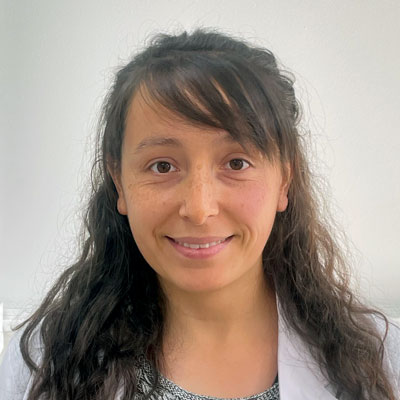
Aracelly Gaete Argel
University of Chile, Chile
Aracelly Gaete Argel is a researcher at the Faculty of Medicine, University of Chile. Her work focuses on the premature ageing observed in people living with HIV and the molecular mechanisms driving this phenomenon despite effective antiretroviral therapy. Currently, her research aims to better understand neuroinflammation and viral persistence in the central nervous system, with particular emphasis on their contribution to HIV-associated neurological co-morbidities.
Jared Stern
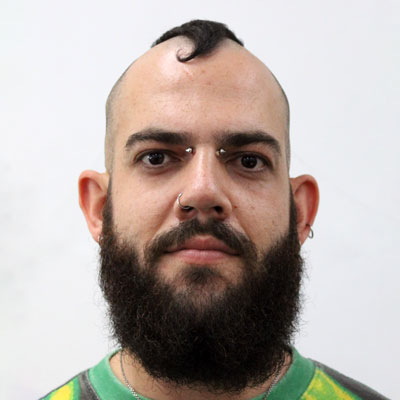
Jared Stern
Fred Hutchinson Cancer Center, United States
Jared Stern has a background in HIV reservoir biology, having found that circadian rhythms and acute stress affect HIV transcriptional activity. Jared is a postdoctoral research fellow, combining immune cell phenotyping with proviral sequencing techniques to examine how the HIV reservoir is maintained in people living with HIV on ART as a barrier to a cure and how clinical interventions may perturb the latent reservoir to achieve a cure. Jared is passionate about scientific communication to empower people who are impacted by HIV.
Marion Pardons
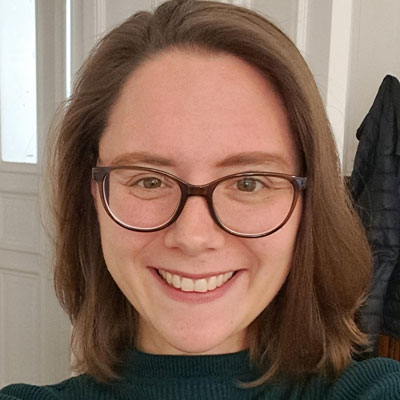
Marion Pardons
Charité, Germany
After studying biomedical sciences at the Université libre de Bruxelles, Belgium, Marion Pardons pursued a PhD in Nicolas Chomont’s lab in Montreal, Canada, where she developed flow cytometry-based tools to quantify and characterize the latent HIV reservoir. She then joined the HIV Cure Research Center in Ghent, Belgium, in January 2020. There, she identified an HIV Tat mRNA-containing lipid nanoparticle that potently reactivates HIV while preserving the phenotype of CD4 T-cells, enabling multi-omic analyses of HIV reservoirs in blood and tissues. In March 2025, she moved to Berlin, Germany, to join Christian Gaebler’s lab at Charité. Her current research focuses on HIV-specific immune responses at the maternal-foetal interface in a cohort of pregnant women living with HIV with the aim of improving maternal and child health.
Yanis Merad
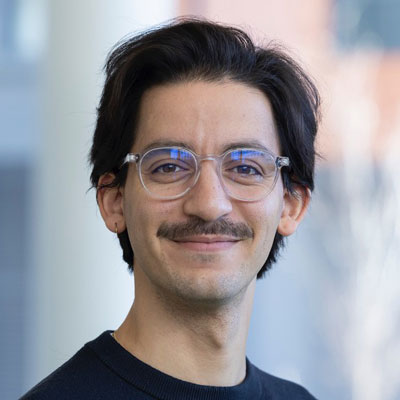
Yanis Merad
Ragon Institute, United States
Yanis Merad is an early-career physician-scientist. He received his MD in 2021 and was subsequently trained as an infectious disease physician in the University Hospitals of Lyon, France. He is currently pursuing an immunology PhD from Lyon Claude Bernard University; as part of this, he is conducting research at the Ragon Institute of MGB, MIT and Harvard University under the joint supervision of Florence Ader, Xu Yu and Mathias Lichterfeld. His work aims at understanding immune signatures observed in people living with HIV who exhibit special virological features that make them relevant for HIV cure research.
Track B: Clinical science
Lead rapporteur: Carlos Brites
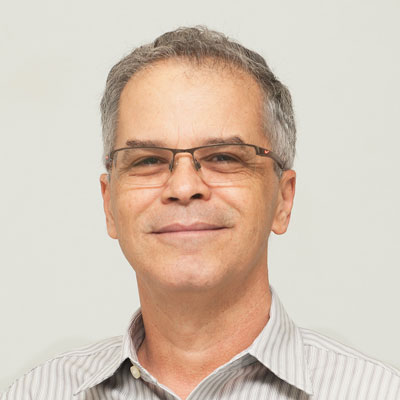
Carlos Brites
Federal University of Bahia, Brazil
Carlos Brites, MD, PhD, is Full Professor of Infectious Diseases at the Federal University of Bahia. He has extensive research experience, especially in human retrovirology, viral hepatitis and arboviruses, with over 260 published papers. He coordinates the Infectious Diseases Research Unit at the Federal University of Bahia Hospital and the Post-Graduation Programme on Medicine and Health at the Federal University of Bahia School of Medicine.
Karine Lacombe

Karine Lacombe
Saint Antoine Hospital, Paris, France
Karine Lacombe is an infectious diseases specialist whose clinical practice, teaching and research focus on viral infections. She graduated from Pierre et Marie Curie Medical University, Paris, and completed her residency at St Antoine Hospital, Paris, and St André Hospital, Bordeaux. In 2006, she earned her PhD in epidemiology on HIV/hepatitis B co-infection and the determinants of liver fibrosis. She became an Associate Professor in Infectious Diseases in 2007 and attained a full professorship position at Sorbonne University in 2016. An international leader in chronic viral infections, she has lectured at international conferences. In March 2020, she became deeply involved as a clinician and researcher and at a political level in management of the COVID-19 crisis. She has been involved in the development of numerous innovative drugs. She heads the Infectious Diseases Department in St Antoine Hospital and supervises the clinical research commission of the Board of Physicians of AP-HP.
María Inés Figueroa
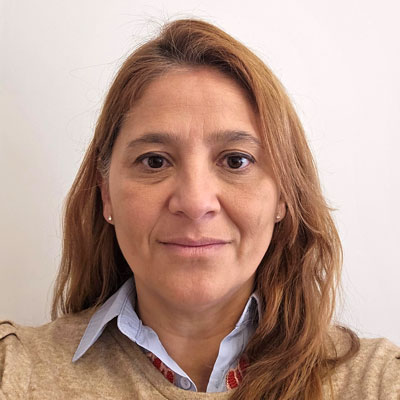
María Inés Figueroa
Fundación Huésped, Argentina
María Inés Figueroa is a physician specialized in infectious diseases and a clinical researcher with more than 15 years of experience in HIV research. She has been involved in clinical research since 2010, with a strong focus on HIV treatment and prevention. She currently serves as Director of Research at Fundación Huésped in Buenos Aires, Argentina, where she leads and coordinates national and international clinical studies in collaboration with academic institutions and global research networks.
Ming Lee

Ming Lee
Canberra Sexual Health Centre, Australia
Ming Lee is the Director of the Canberra Sexual Health Centre and a specialist in sexual health, HIV and gender-affirming care. He also holds Honorary Clinical Senior Lecturer appointments at the ANU School of Medicine and Psychology, Australia, and Imperial College London, UK. His interests include: improving access to STI, HIV and gender-affirming care; multidisciplinary approaches to providing clinical care for people with complex multiple health conditions; and clinical trials for novel HIV treatments.
Monica Gomes

Monica Gomes
Federal University of Parana, Brazil
Monica Gomes holds a medical degree and is a specialist in infectious diseases and neurology, with a PhD in sciences from the Federal University of São Paulo. She serves as principal investigator in clinical trials on HIV, viral hepatitis, immunization and respiratory viral diseases. Currently, she is an Assistant Professor of Infectious Diseases at the Federal University of Parana. She is also a member of the Technical Advisory Committee of Brazil’s Ministry of Health on antiretroviral therapy and prevention of vertical transmission.
Track C: Epidemiology and prevention science
Lead rapporteur: Eric Chow

Eric Chow
Melbourne Sexual Health Centre and Monash University, Australia
Eric Chow is an epidemiologist at the Melbourne Sexual Health Centre and Monash University, Australia. He heads the Health Data Management and Biostatistics Unit and co-heads the HIV/STI Clinical Trials Unit. His research focuses on HIV and STI prevention, treatment and control, with major projects on sexual health in PrEP users, expanding access to PrEP, male HPV surveillance, doxycycline post-exposure prophylaxis and digital health. He is President of the International Society for Sexually Transmitted Diseases Research and serves on multiple international committees advancing HIV and sexual health research and policy.
Chunyan Li
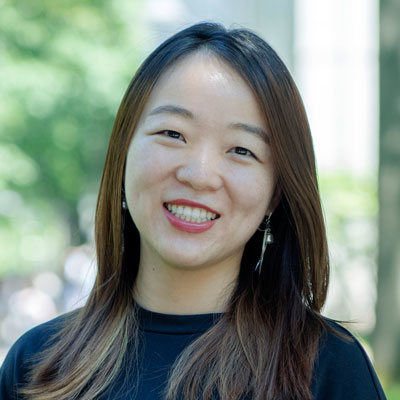
Chunyan Li
Xi’an Jiaotong University, China
Chunyan Li is an Associate Professor at the Institute of Health Management and Policy, School of Public Policy and Administration at Xi’an Jiaotong University, China. Her research explores the intersection of digital health, migrant health and minority health, with extensive experience in community-engaged participatory research and crowdsourcing strategies. She focuses on strengthening healthcare systems designed to improve health equity for international immigrants, digital health-enabled interventions for HIV prevention, and sexual health promotion among socially disadvantaged communities, including LGBTQIA+ communities and older populations. She holds a Bachelor's degree in preventive medicine from Peking University and a PhD in health behaviour from UNC-Chapel Hill; she completed her postdoctoral training at the University of Tokyo.
Geoffroy Liegeon

Geoffroy Liegeon
Paris Cité University and Saint Louis Hospital, Paris
Geoffroy Liegeon is an Assistant Professor of Infectious Diseases at Paris Cité University and a clinician in the Infectious Diseases Department at Saint Louis Hospital in Paris. His research spans a continuum from Phase 3 clinical trials to implementation studies, with a particular focus on HIV treatment and prevention – especially improving access, adherence and persistence to pre-exposure prophylaxis (PrEP). He develops programmes to expand PrEP access for underserved populations, such as migrant women, and explores innovative strategies to optimize its implementation. As a coordinating investigator, he leads multiple studies supported by the French National Agency for HIV/AIDS Research (ANRS – Emerging Infectious Diseases).
Keshab Deuba
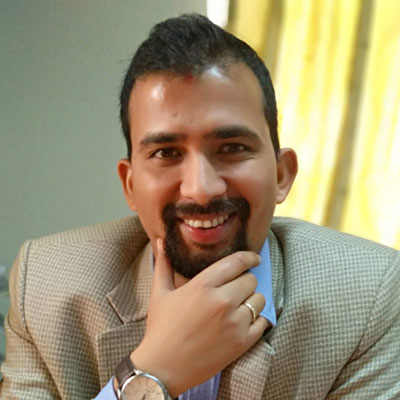
Keshab Deuba
Public Health and Environment Research Centre, Nepal
Keshab Deuba holds an MMSc in epidemiology and a PhD in public health from Karolinska Institutet, Sweden. He has over a decade of experience across international development, academia and United Nations agencies. His work focuses on strengthening strategic information for HIV programmes and generating evidence through community-based participatory research and health policy and systems research, particularly in such areas as tuberculosis, gender-based violence and mental health. He is currently a senior health advisor at the Public Health and Environment Research Centre (PERC), Nepal, and a researcher at Karolinska Institutet’s Department of Global Public Health and the Centre for International Health, University of Bergen, Norway.
Olivia “Libby” Van Gerwen

Olivia “Libby” Van Gerwen
University of Alabama at Birmingham, United States
Olivia “Libby” Van Gerwen, MD, MPH, is an Assistant Professor of Medicine at the University of Alabama at Birmingham. She is a physician-scientist who conducts community-engaged, clinical research in the areas of improving sexual health outcomes, access and healthcare experiences for LGBTQ+ people, HIV prevention, STI diagnostics and vaginal health in the US Deep South. In her clinical work, she enjoys providing gender-affirming care and HIV prevention services to people at the UAB Gender Health clinic and providing primary care and HIV treatment to people living with HIV at the UAB 1917 Clinic.
Track D: Social and behavioural sciences
Lead rapporteur: Alegra Wolter

Alegra Wolter
Kirby Institute, Australia and Suara Kita, Indonesia
Alegra Wolter (she/they) is a medical doctor, researcher and development professional championing global health and community activism. She currently works as a research officer at the Kirby Institute, UNSW Sydney, and is concurrently undertaking a PhD in medicine (public health). She serves as Advisory Board Chair of Perkumpulan Suara Kita, sits on the International Trans Fund grant-making panel and maintains a clinical practice at Angsamerah Clinic. Her previous roles include Gender, Equity, and Human Rights Officer at WHO Indonesia and Head of Partnerships at Docquity. She has served in consultant, panel and voluntary roles for the International AIDS Society, GATE, ILGA World, Women’s Fund Asia, Youth LEAD, Asia Pacific Transgender Network, IWRAW Asia Pacific, ACON and Atma Jaya’s HIV/AIDS Research Center. Recognized as Indonesia’s first openly trans doctor, Alegra has shared her work and advocacy globally through invited talks and collaborations.
Eliana Miura Zucchi
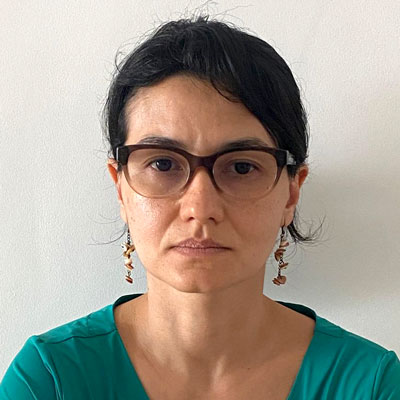
Eliana Miura Zucchi
Universidade Católica de Santos, Brazil
Eliana Miura Zucchi is a social psychologist with a Master’s degree in public health and a PhD in sciences. She is a faculty member at Universidade Católica de Santos, Brazil, where she has been engaged in teaching, research and extension. Her work focuses on critical analyses of HIV prevention among young LGBTQIA+ people from intersectional and community-based participatory perspectives. She coordinates two research projects: a FAPESP-funded study examining community-based and longitudinal interventions supporting PrEP use among adolescents and young LGBTQIA+ people, and the Babado Certo! project, funded by CNPq and the Brazilian Ministry of Health, which develops participatory prevention and care protocols for trans adolescents and young people.
Isaac Yen-Hao Chu
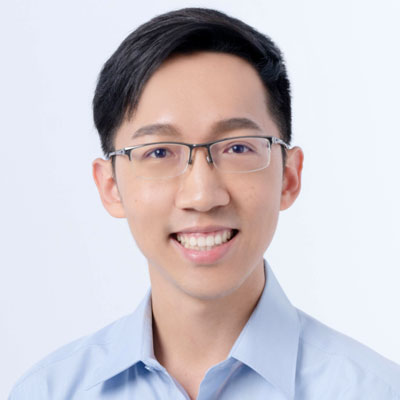
Isaac Yen-Hao Chu
National Yang Ming Chiao Tung University, Taiwan and London School of Hygiene & Tropical Medicine, United Kingdom
Isaac Yen-Hao Chu, MD, MSc, DrPH, FHEA, is a Taiwanese physician-scientist dedicated to person-centred HIV/STI prevention, particularly the implementation and evaluation of HIV self-testing, HIV pre-exposure prophylaxis (PrEP) and doxycycline post-exposure prophylaxis (DoxyPEP) worldwide. He co-wrote Taiwan’s national guidelines on HIV PrEP (latest update in 2023) and Taiwan's Guidelines for Diagnosis, Treatment and Prevention of Syphilis and Gonorrhoea in 2025. He works as Assistant Professor at the London School of Hygiene & Tropical Medicine, UK, and Adjunct Lecturer at the National Yang Ming Chiao Tung University, Taiwan. His current research projects include improving integrated sexual healthcare in Taiwan’s remote areas and a DoxyPEP study, where he is country PI in the DoxyAsia research team.
Sharlene Beckford Jarrett

Sharlene Beckford Jarrett
Caribbean Vulnerable Communities Coalition, Jamaica
Sharlene Beckford Jarrett, PhD, is a clinical psychologist and public health scientist with over 20 years of experience shaping HIV and mental health responses across the Caribbean. Her work has influenced national policy, strengthened surveillance and data use systems, and advanced evidence-informed programming. She currently serves as Senior Researcher with the Caribbean Vulnerable Communities Coalition, where she leads strategic information and health systems strengthening initiatives. She is passionate about adapting data-driven approaches from the HIV field to improve diagnosis, linkage to care and long-term treatment outcomes for people living with non-communicable diseases.
Tomer Einav

Tomer Einav
Charité University Hospital, Germany
Tomer Einav is a PhD candidate at the newly established Berlin Center for HIV Cure Research (BeCure) at Charité University Hospital Berlin. His research focuses on promoting the inclusion of marginalized communities in HIV cure–related research. He is a pharmacist and has 12 years of experience in prevention and safer sex education.
Track E: Implementation science, economics, systems and synergies
Lead rapporteur: LaRon E Nelson
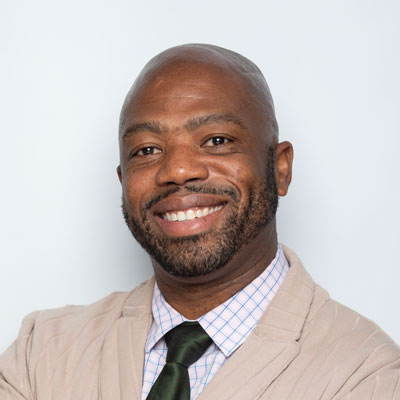
LaRon E Nelson
Yale University, United States
LaRon E Nelson is the Independence Foundation Professor of Nursing at Yale University and Director of the Justice, Community Capacity & Economics Core in the Center for Interdisciplinary Research on AIDS. LaRon's work uses a human-centred design approach to implementation science, creating synergistic bridges between sustainable community development, healthcare systems and business model innovation. LaRon’s research focuses on designing and testing business models and operational strategies to scale evidence-based health interventions equitably, including HIV prevention, HIV care and post-traumatic stress care in the United States, Canada, Ghana and Kenya. His research is sponsored by the US National Institutes of Health (NIAID, NINR, NIMH), the Canadian Institutes of Health Research, and Grand Challenges Canada. LaRon is a Fellow of the New York Academy of Medicine and the American Academy of Nursing.
Abdulzeid Yen Anafo
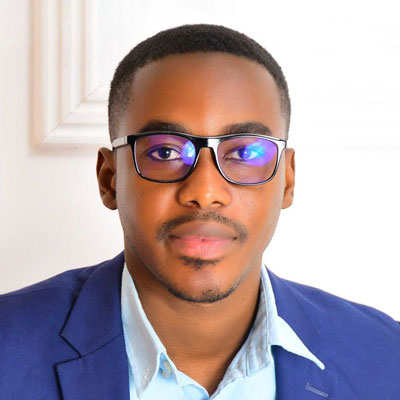
Abdulzeid Yen Anafo
University of Mines and Technology, Ghana
Abdulzeid Yen Anafo is a mathematician specializing in health statistics, mathematical modelling and public health research. He is currently a lecturer at the University of Mines and Technology, Ghana. He holds a PhD in mathematics from the University of Mines and Technology, an MSc in mathematical sciences from the African Institute for Mathematical Sciences and a BSc in mathematical sciences from the University for Development Studies, Ghana. Prior to his academic appointment, Abdulzeid served as a health statistician and postdoctoral fellow at Yale University. He is currently an Implementation Science Fellow with Yale under the HPTN 096, where he contributes to data analysis and the evaluation of health interventions. He is also a former postdoctoral fellow with the West Africa Mathematical Modelling Capacity Development programme. His current research focuses on mathematical modelling, statistical distribution theory and the application of machine learning methods in health research.
Débora Castanheira Pires

Débora Castanheira Pires
Fiocruz, Brazil
Débora Castanheira Pires is a Brazilian public health researcher at the Laboratory of Clinical Research on HIV/AIDS (LapClin-Aids), Evandro Chagas National Institute of Infectious Diseases, Fiocruz. She holds a PhD in political science and specializes in implementation science, health policy evaluation and health systems research. Her work focuses on translating evidence into practice to improve HIV prevention, especially PrEP delivery for vulnerable populations in Brazil. She leads and collaborates on national and international projects integrating implementation frameworks, monitoring systems and equity-oriented approaches to strengthen public health responses.
Gloria Aidoo-Frimpong
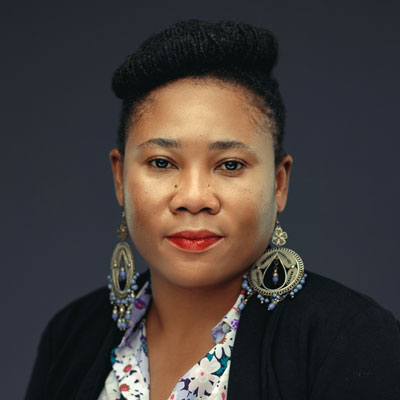
Gloria Aidoo-Frimpong
University at Buffalo, United States
Gloria Aidoo-Frimpong, PhD, is an Assistant Professor in the Department of Epidemiology and Environmental Health at the University at Buffalo, State University of New York. She is a public health implementation scientist whose work focuses on advancing equitable HIV prevention among African immigrants and other underserved populations in the United States and globally. Gloria leads community-engaged research that integrates implementation science, socio-structural determinants of health and culturally grounded methodologies to improve HIV self-testing, PrEP uptake and linkage to care. Her work emphasizes co-development with communities, digital engagement strategies and the use of African-centred approaches to strengthen health systems responsiveness. She serves as co-principal investigator of a PCORI-funded project on immigrant-centred research engagement and leads multiple international initiatives in Ghana focused on youth- and women-centred HIV prevention innovation. Gloria is committed to transforming research and implementation systems to better address the needs of marginalized populations across transnational contexts.
Xueling Xiao
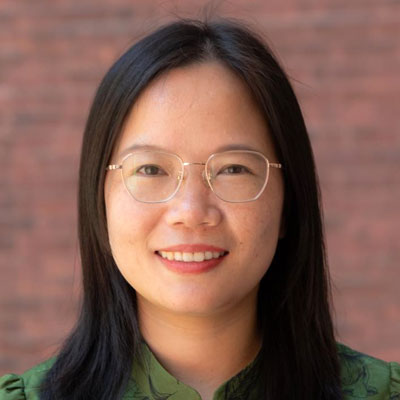
Xueling Xiao
Central South University, China
Xueling Xiao is an Associate Professor at Xiangya School of Nursing, Central South University, specializing in HIV prevention, care and health promotion. She developed the AICARE intervention, an evidence-based programme designed to improve the quality of life of people living with HIV. Her recent work focuses on designing implicit cognition-based strategies to promote sexual health in this population. Through community-engaged research and partnerships, she is dedicated to translating scientific evidence into practical, person-centred solutions that address the needs of diverse communities affected by HIV
Track F: Political science, laws, ethics, policies and human rights
Lead rapporteur: Allan Achesa Maleche
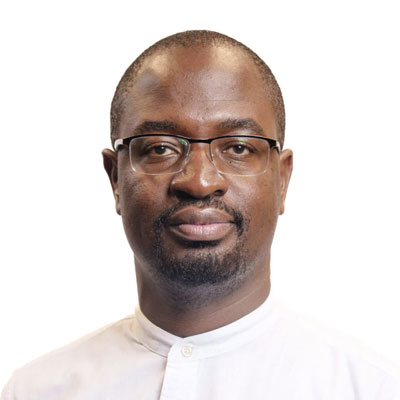
Allan Achesa Maleche
KELIN, Kenya
Allan Achesa Maleche, LLB, LLM, is a human rights lawyer, Advocate of the High Court of Kenya and human rights defender with over 18 years of experience in law, ethics, governance, policy, health and rights. As Executive Director of the Kenya Legal & Ethical Issues Network (KELIN), he works with affected communities to advance accountability and access to health and justice. He is Co-Chair of the WHO HRP Gender Advisory Panel and a member of the IAS–Lancet Commission on Health and Human Rights. Previously, he co-chaired the UNAIDS Human Rights Reference Group. He is a Senior Scholar at the Georgetown University Center for Global Health Policy and Politics and Visiting Research Fellow at the University of Warwick. He received the Elizabeth Taylor Human Rights Award in 2018 and is a former fellow of the FXB Center for Health & Human Rights at Harvard T.H. Chan School of Public Health.
Alice Kayongo

Alice Kayongo
Georgetown University, United States
Alice Kayongo has spent over two decades doing the hard work of global health equity – not from the sidelines, but alongside communities most affected by unjust systems. With roots in Uganda, her career spans community, national, regional and international levels. A Senior Associate at Georgetown University’s Center for Global Health Policy and Politics, she leads work on community-led responses and foreign debt and human rights across Africa, Asia and Latin America. She co-leads diagnostics equity and literacy across the same regions. She steers STRIDE, a multi-country research project on exemplary settings that have successfully addressed forms of structural discrimination to advance health equity. Recognized as a Harvard LEAD Fellow, with a career spanning one of the world’s most respected health institutions, Alice translates evidence into action – and action into change.
Kenechukwu Esom

Kenechukwu Esom
University of Warwick Law School, United Kingdom
Kene Esom is a legal and policy advisor and development specialist with almost 20 years of experience advancing health equity, human rights and institutional governance across Africa and globally. He brings integrated expertise in health policy and digital health innovation, human rights and access to justice, and organizational governance and strategic advisory. He has managed large-scale multi-country initiatives, provided technical advisory to governments on policy reform and institutional strengthening, and contributed to international guidance on rights-based approaches to policy and programme implementation. He served on the NGO Delegation of the UNAIDS Programme Coordinating Board and also on the IAS–Lancet Commission on Advancing Global Health and Strengthening the HIV Response. Kene is currently based at the University of Warwick Law School, where his research is at the intersection of rights, digital technologies and inclusive development.
Sandra Ka Hon Chu
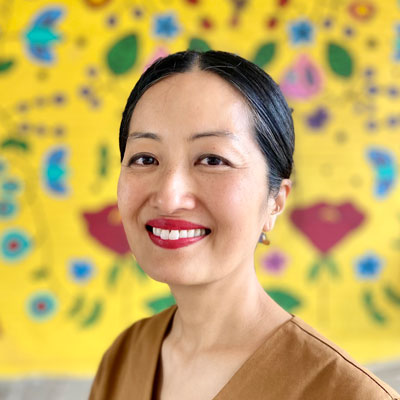
Sandra Ka Hon Chu
HIV Legal Network, Canada
Sandra Ka Hon Chu is a lawyer and Co-Executive Director of the HIV Legal Network, which promotes the human rights of people living with HIV and other populations disproportionately affected by HIV, punitive laws and policies, and criminalization. Sandra’s publications include legislative resources on women’s rights in the context of HIV, frameworks for sex work law reform, research into experiences with injection drug use behind bars, and submissions to UN human rights treaty bodies. Sandra has helped guide the network’s litigation in key cases in Canada, including lawsuits challenging the government’s failure to adopt prison-based needle and syringe programmes, criminal laws governing sex work, and laws and policies restricting access to supervised consumption services. Sandra holds a BA from the University of British Columbia, an LLB from the University of Toronto, and an LLM from Osgoode Hall Law School. She was called to the bar of British Columbia in 2003.
Sofía Várguez
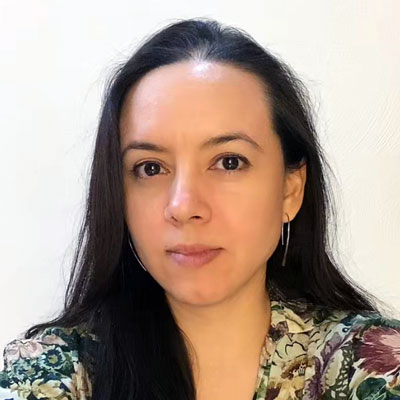
Sofía Várguez
HIV Justice, Mexico
With a background in international relations and development studies, Sofía Várguez has worked in international cooperation and multilateral affairs, where she gained experience in global health and human rights. Since 2022, she has collaborated with the HIV Justice Network as a programmatic support officer.
Community and leadership sessions
Lead rapporteur: Susan Cole

Susan Cole
Phoenix Movement, United Kingdom
Susan Cole is Co-Founder and Executive Director of the Phoenix Health Movement and an award-winning public speaker, broadcaster and writer focused on addressing health inequities affecting marginalized communities. Beginning her career as a research psychologist, Susan has over two decades of leadership in the global HIV response, with recognized specialism in translating HIV information and evidence into accessible, community-relevant education that supports informed decision making and action. Working across community, policy, research and media spaces, she has extensive experience synthesizing community discussions into clear, accessible insights to inform policy, practice and advocacy. She is a member of the 4M Network of Mentor Mothers and a Fellow of the Royal Society of Arts.
Aisia Castelo

Aisia Castelo
Global Action for Trans Equality, the Philippines
Aisia is a transpinay queer feminist activist and the Movement Building Officer at Global Action for Trans Equality (GATE), where she supports the implementation of programmes that strengthen trans-led organizations globally through intersectional, rights-based and community-centred approaches to advance sustainable trans movements. She has built expertise in trans health and HIV through programmatic experience in research, service delivery, and advocacy, with roles in SKPA, FHI 360, Amnesty International, and other local, regional and international programmes. She is a licensed psychometrician and holds a Master’s degree in gender and peacebuilding from the United Nations-mandated University for Peace.
Idris Kennedy Mwendwa
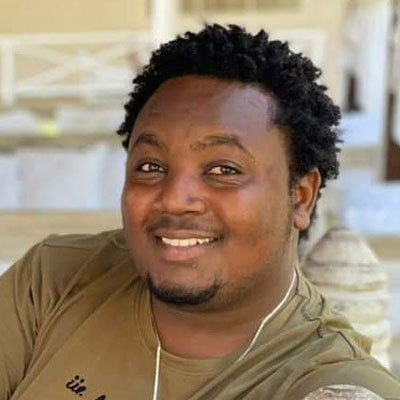
Idris Kennedy Mwendwa
HIV/AIDS Peoples Alliance in Kenya, Kenya
Kennedy Mwendwa is a founder of the HIV/AIDS Peoples Alliance in Kenya (HAPA Kenya), established in 2011 to address rising HIV-related deaths among communities of men who have sex with men, male sex workers and trans* people. Guided by social justice and community-led solutions, he helped build HAPA Kenya to empower SOGIE communities to adhere to treatment, access inclusive sexual and reproductive health and rights (SRHR) services, and live healthy, dignified lives. As Head of Programs, Kennedy leads programme design and implementation across several counties and engages government and civil society to advance inclusive HIV and SRHR policies, reduce stigma and promote meaningful participation of key populations. He is driven by a commitment to human rights and autonomy nationwide.
Juan Michael Porter II
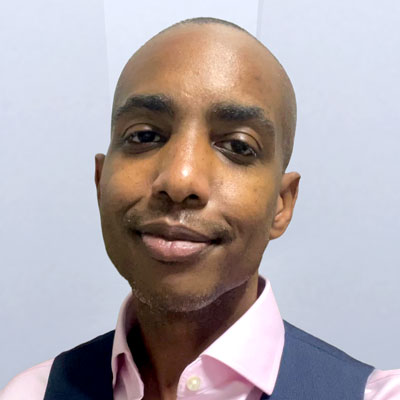
Juan Michael Porter II
U.S. People Living With HIV Caucus and Positive Women's Network-USA, United States
Juan Michael Porter II is a health journalist and HIV advocate, and has served as host of HIV unmuted, the IAS podcast. Currently, he serves as the Director of Communications of Positive Women's Network-USA and Communications Officer of the U.S. People Living With HIV Caucus. Previously, he served as the Senior Editor of TheBody.com and TheBodyPro, making him the first person openly living with HIV to hold the position. Juan Michael’s reportage combines data dives, personal narratives and policy analyses to address the real-world consequences of ever-shifting legislation on people’s health outcomes. Alongside others, his advocacy helped the IAS embrace the use of people-first language.
Renatta Langlais-Freeman
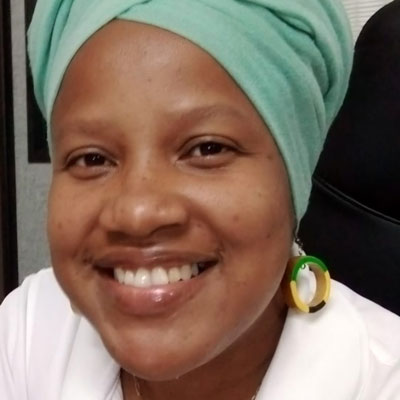
Renatta Langlais-Freeman
Consultant, Dominica
Renatta Langlais-Freeman is a vibrant advocate for women and marginalized groups in Dominica and the wider Caribbean. Since completing her Bachelor’s degree in political science, gender and development at the University of the West Indies in 2016, she has continued her education at a Master’s level in gender and development. Renatta works as a gender consultant in the Caribbean, providing empowerment to women and young people. She facilitates workshops and trainings that raise awareness of issues surrounding gender-based violence, sexual harassment and gender equity. Renatta has extensive volunteering experience with NGOs, especially HIV and AIDS organizations around the world. She served as a board member of the Y+ Global and will soon be completing her current role as a board member of GNP+.