
AIDS 2026 on IAS+
Explore more than 1,700 resources from the 26th International AIDS Conference, now freely available on IAS+. These include conference sessions and e-posters.
Rise from Rio
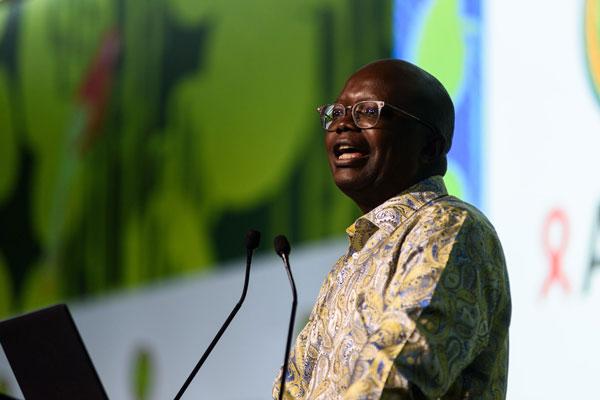
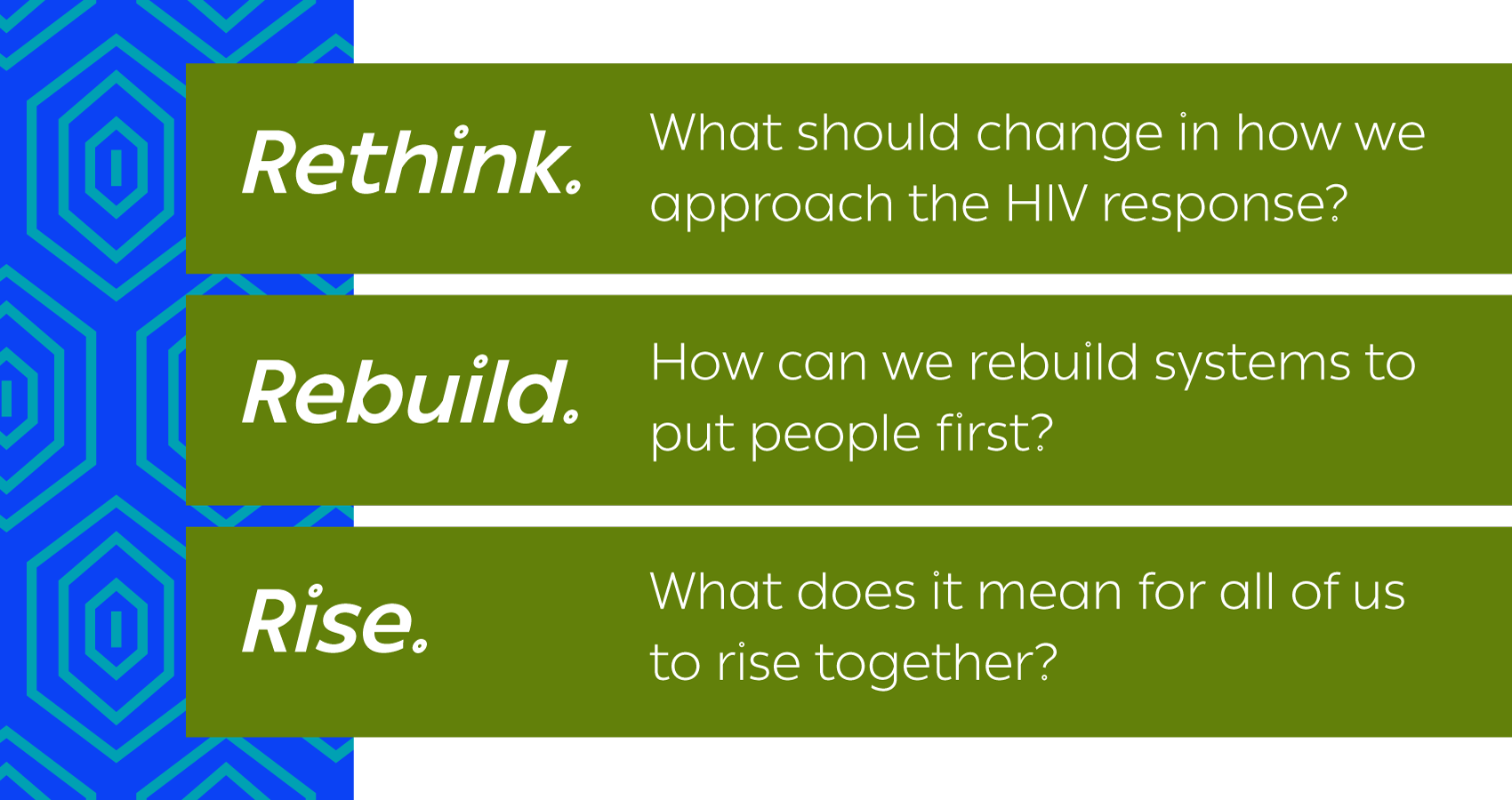
We gathered in Rio de Janeiro, about 7,500-strong, in person and virtually from all over the world to Rethink. Rebuild. Rise. – and we leave with conviction to turn what we have learnt here into action. More than 150 sessions, 220 Global Village activities and 2,400 posters advanced the science and activism that the global response to HIV needs now.
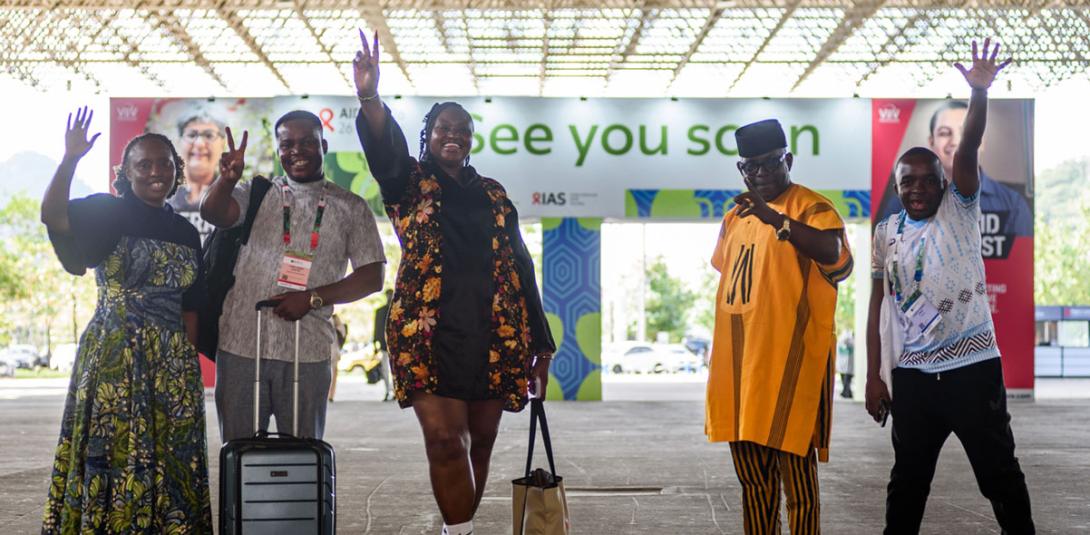
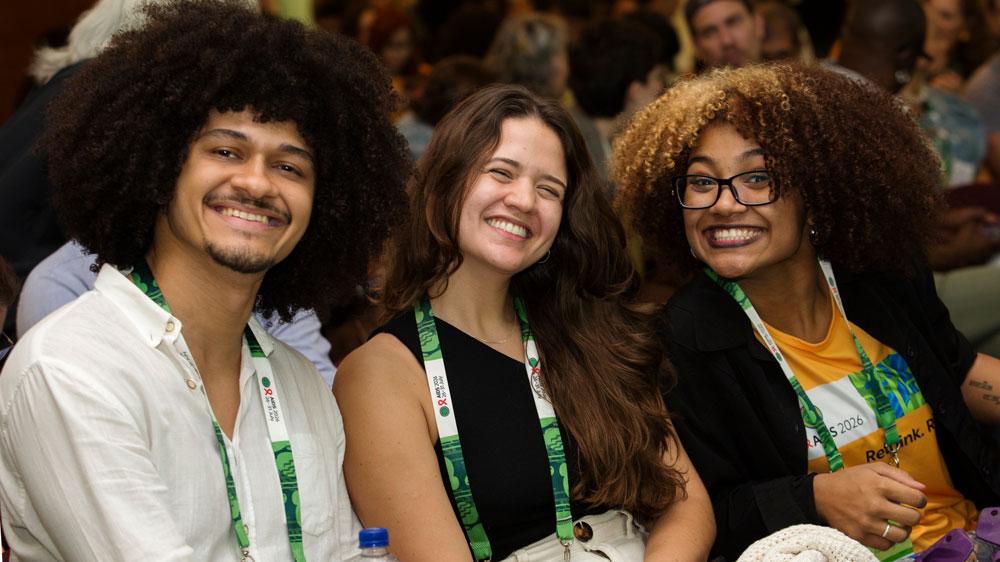
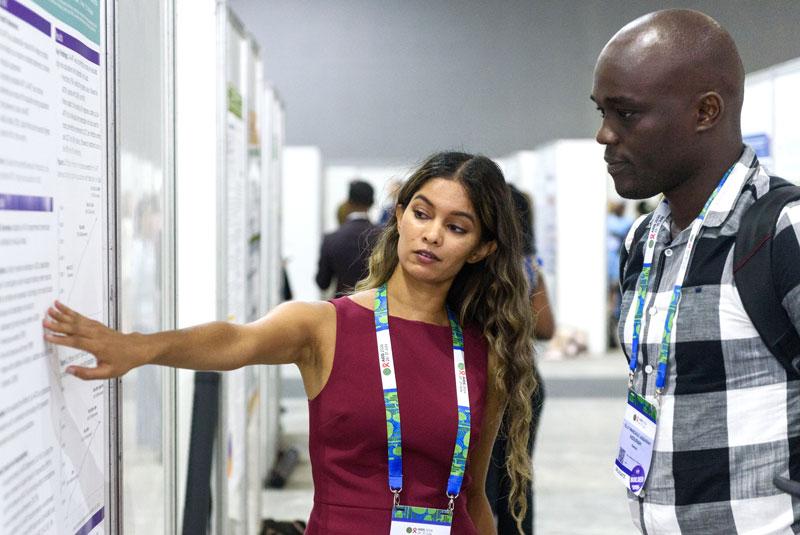
Over six days, the vibrancy of Rio filled the Riocentro – in the pulse of the Global Village, in the posters that drew crowds, and in the debates that carried on longer than the sessions themselves.
Delegates pushed back on complacency and forward on access to the latest tools where they are needed, for whom they are needed. And we came face to face with the real impact on people’s lives of funding cuts and geopolitical shifts – strengthening our resolve to keep the response standing and moving.
We say thank you – to every speaker, every rapporteur, every organizer, every delegate. We say thank you to the more than 200 volunteers who kept this conference running smoothly. And we say thank you to the more than 700 scholarship recipients who will take the conversations back to their communities.
We look forward to seeing you all at IAS 2027, the 14th IAS Conference on HIV Science in Geneva, Switzerland. We know we will bring what AIDS 2026 has taught us to Geneva. Rethink. Rebuild. Rise.
Access the conference programme
Browse over 100 thought-provoking sessions, featuring world experts and community voices.
Featured speakers
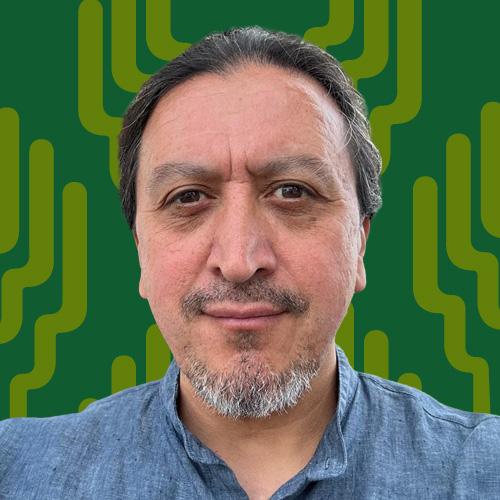

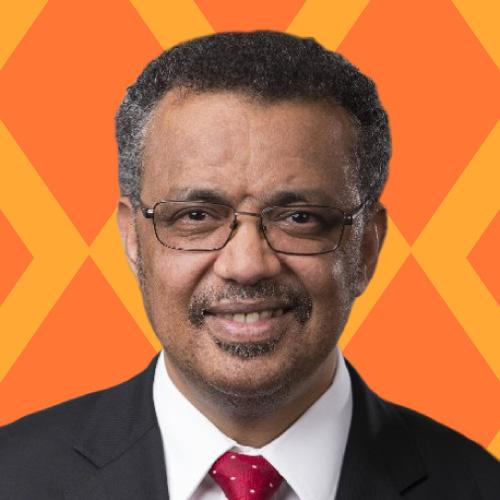
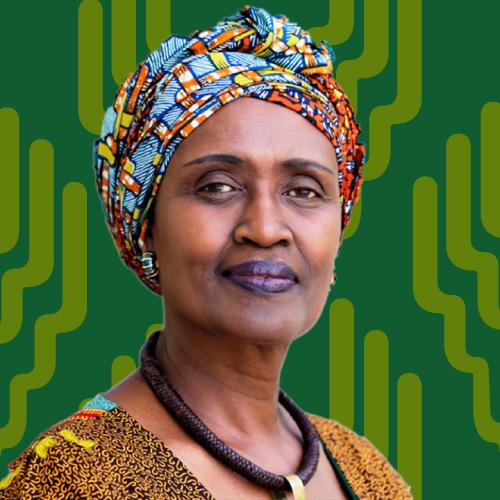
You can access all oral abstracts, poster exhibitions, e-posters and late breakers from AIDS 2026 for free in the abstract book.
AIDS 2026 Daily Digest
Starting Sunday, 26 July and continuing throughout the conference, the AIDS 2026 Daily Digest will help you make the most of each day with a look at key sessions and activities for the day ahead.

Be a part of the movement to Rethink. Rebuild. Rise.
Share your story or message of support. Access ready-to-post language and graphics in our social toolkit. And follow us on social media.
Sign up to receive the latest AIDS 2026 updates
Language matters
At the IAS, we actively use language that puts people first. This is because words have power: they bestow or remove dignity, build or break stigma, and divide or unite the HIV response. Through the words we choose to use at the IAS, we acknowledge that a person is so much more than a condition; we promote inclusivity, dialogue and equality.
Join the conversation #AIDS2026
For updates and announcements about AIDS 2026, follow the International AIDS Conference on BlueSky, X, Facebook, Instagram, YouTube and LinkedIn.


