HIVR4P 2027 Co-Chairs
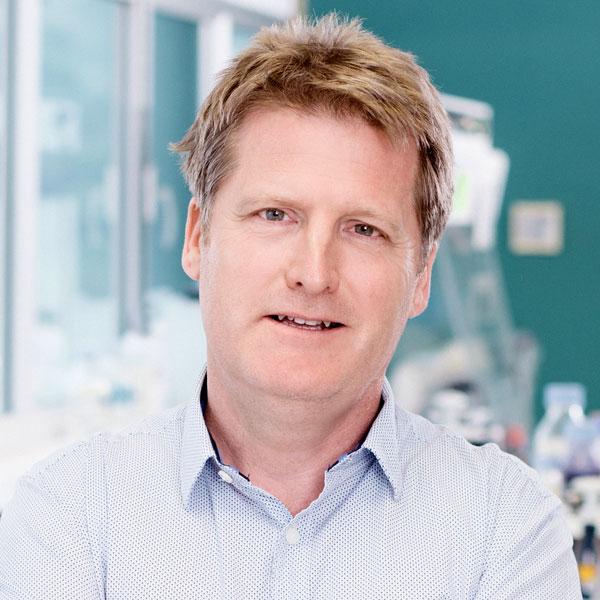
Victor Appay
Victor Appay is Director of the INSERM unit, Vulnerability and Ageing of the Immune System, in the ImmunoConcept laboratory in Bordeaux, France. He has been working has been working at the intersection of fundamental and clinical HIV research for nearly 30 years. He has developed strong expertise and led research projects concentrating on human immunology and HIV pathogenesis. His research has yielded results on the importance of HIV-specific T cell quality in controlling HIV replication. He has also been a pioneer in the field by demonstrating the role of immune activation in the development of premature immune ageing in people living with HIV and its relevance for HIV disease progression and immune reconstitution upon antiretroviral therapy initiation. In parallel with his research activity, he has been involved in several HIV scientific advisory committees for ANRS, Sidaction and the IAS.
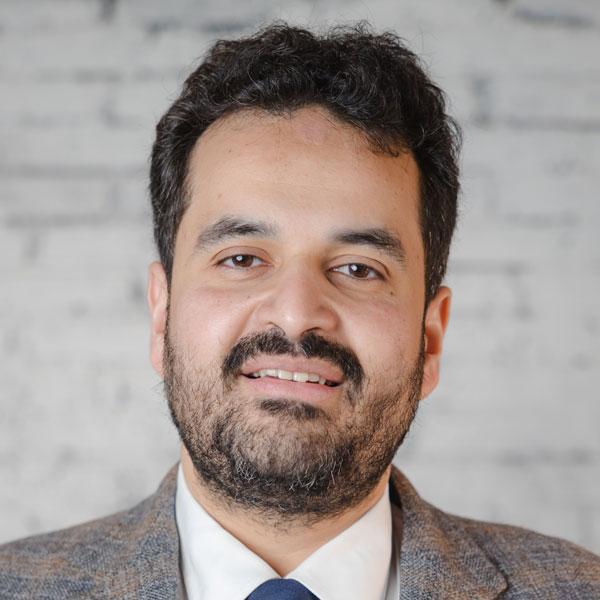
Susan Buchbinder
Susan Buchbinder is the Director of Bridge HIV, a grant-funded HIV and STI prevention research unit housed at the San Francisco Department of Public Health. She is an Adjunct Professor of Medicine, Epidemiology and Biostatistics at the University of California, San Francisco. Her HIV research focuses on HIV vaccines, broadly neutralizing antibodies, PrEP and strategies to support PrEP uptake and use, with a focus on addressing racial, ethnic and gender disparities. She is one of the founding members of, and co-chairs the Steering Committee of, Getting to Zero San Francisco, an initiative that aims to eliminate new HIV acquisitions, HIV-associated deaths and HIV stigma.
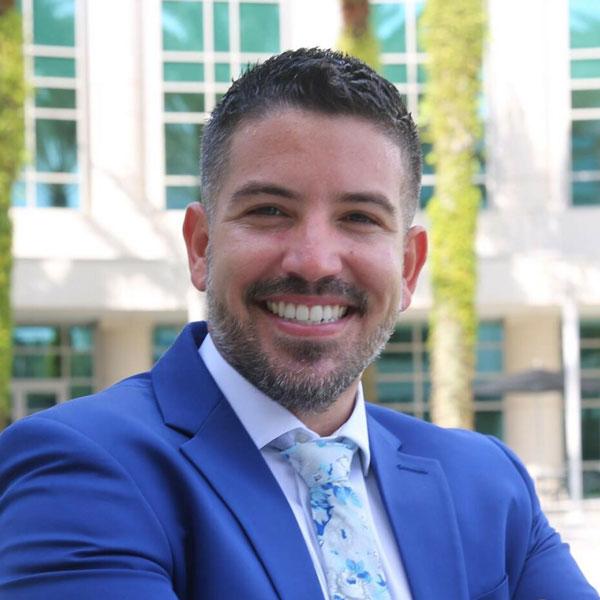
Andrew Grulich
Andrew Grulich is a medical epidemiologist and specialist public health physician with 30 years of experience in conducting HIV research and working for implementation of the results of that research. He is Theme Director, Populations and Prevention, and Head of the HIV Epidemiology and Prevention Program, at the Kirby Institute, University of New South Wales, Sydney, Australia. He leads research on the prevention of HIV and sexually transmitted infections in gay, bisexual and other men who have sex with men.
Andrew was the principal investigator of the Opposites Attract study, one of the cornerstones of the Undetectable=Untransmissible campaign, and he led the EPIC-NSW study of population-based pre-exposure prophylaxis (PrEP) roll out, which demonstrated dramatic reductions in HIV incidence. His other major research theme is on the link between infection, immune function and cancer, with a recent focus mostly on the prevention of human papillomavirus-associated anal cancer. He has contributed to more than 500 peer-reviewed publications, which have been cited more than 30,000 times.
Andrew’s work is collaborative with clinicians, government and community-based organizations working in the response to HIV. He has held senior leadership roles in Australian and international health organizations and has been an active member of local community-based HIV organizations since the mid-1990s. He was Vice-President of Australia’s largest HIV community-based organization, ACON, in 2000-2002. He was President of the Australasian Society for HIV Medicine in 2001-2003 and sat on the Australian Health Minister’s advisory committee on HIV between 2000 and 2014. Andrew was Chair of the Australian committee responsible for writing national PrEP guidelines in 2014.
Since 2019, he has been a technical advisor on the UNAIDS/WHO Asia-Pacific Advisory Group for PrEP. He is an elected Fellow of the Australian Academy of Health and Medical Sciences. Andrew has extensive experience with the IAS, serving as a member of the IAS Governing Council in 2012-16, including as Asia-Pacific representative on the Executive Committee in 2014-16. He was Prevention Co-Chair at AIDS 2014 in Melbourne and AIDS 2020: Virtual.
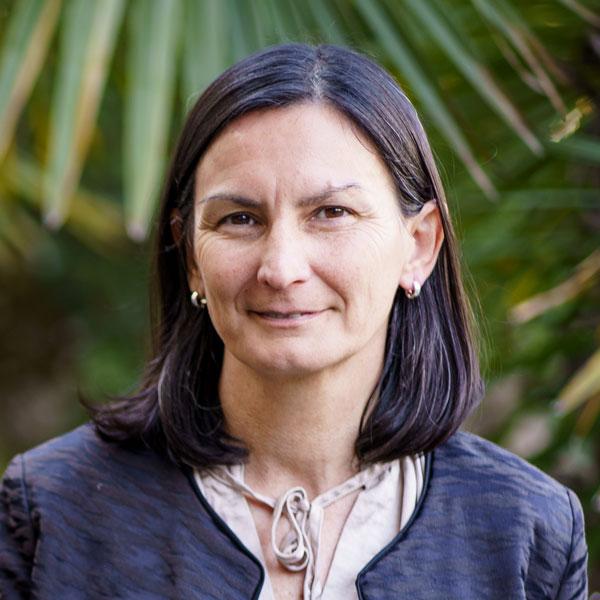
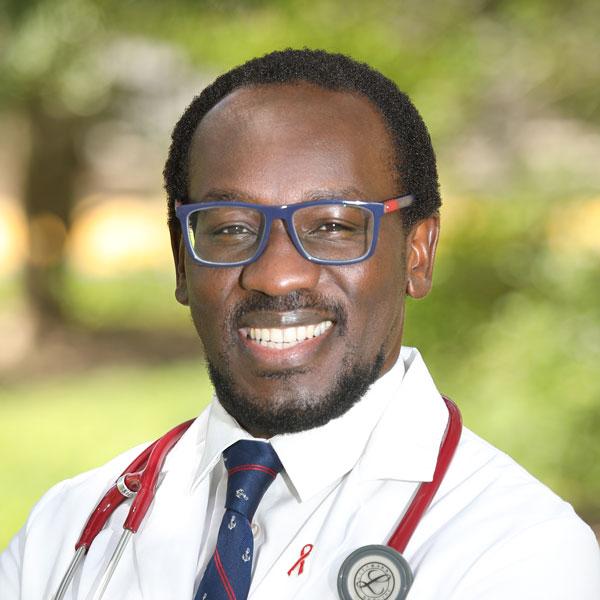
Nelly Rwamba Mugo
Nelly Rwamba Mugo, MBCH, MMED (Ob, Gyn), MPH, is a Senior Principal Clinical Research Scientist at the Kenya Medical Research Institute (KEMRI) and a reproductive health specialist with three decades of experience. Her research focus is on STIs with a focus on HIV and cervical cancer prevention. She currently leads a KEMRI clinical trial unit (Partners in Health Research and Development) located in Thika, Kenya. The unit has participated in multiple observation, behavioural science studies and multi-site HIV prevention clinical trials, including the proof-of-concept Partners PrEP Study, Partners PrEP Demonstration Project and the Partners Scale-Up Project. She is protocol co-chair for the Kenya Single-dose HPV-vaccine Efficacy (KEN-SHE) Study. Nelly has contributed to Ministry of Health-Kenya and World Health Organization forums, guidelines committees and data safety monitoring boards. She is a committee member of the Evidence for Contraceptive Options and HIV Outcomes (ECHO) trial and has over 275 publications in peer-reviewed journals.
HIVR4P 2027 Programme Committee
Thiago Torres
Instituto Nacional de Infectología Evandro Chagas (INI-Fiocruz)
Thiago Torres is a scientist and Professor at INI-Fiocruz in Rio de Janeiro, Brazil. Thiago obtained his PhD in clinical research in infectious diseases from INI-Fiocruz and did postdoctoral training at the Harvard T.H. Chan School of Public Health and the San Francisco Public Health Department. He has been working on epidemiological, behavioural, prevention and implementation studies targeting sexual and gender diverse populations. He is part of the core team of the ImPrEP studies, which evaluate the implementation of PrEP (oral PrEP, cabotegravir and lenacapavir) into public health systems in Latin America. He is also part of the HPTN, HVTN and ACTG networks.


Francesca Di Nunzio
Institut Pasteur
Francesca Di Nunzio is head of the Advanced Molecular Virology Unit at the Institut Pasteur in Paris, France. Her research investigates the early stages of HIV-1 replication, with emphasis on capsid-dependent nuclear entry, reverse transcription, uncoating and viral genome integration. Her work helped challenge the prevailing dogma by revealing that two key events in the early stages of HIV-1 – completion of reverse transcription and capsid uncoating – occur within the nucleus, providing a mechanistic foundation for understanding the efficacy of long-acting capsid inhibitors. Her group also pioneered the characterization of HIV-1-induced membraneless organelles (biomolecular condensates), which support viral replication while protecting viral genomes from innate immune sensing. Combining advanced imaging, cryo-electron tomography, molecular virology and in vivo models, she investigates how viral capsids, biomolecular condensates and nuclear organization determine HIV genome fate, with implications for PrEP, antiviral resistance and cure strategies.
Jerome H Kim
International Vaccine Institute
Jerome H Kim, MD, an expert in vaccine development and evaluation, is Director General of the International Vaccine Institute (IVI), headquartered in Seoul, South Korea. His experience includes translating scientific innovation into global impact, working with national and international stakeholders to build understanding of vaccines’ value proposition and to design and execute creative strategies for sustainable growth. IVI’s oral cholera vaccine is now used worldwide. Its typhoid conjugate vaccine, technology-transferred to SK bioscience and PT Bio Farma, has received national regulatory approval in both countries, with the SK bioscience vaccine achieving WHO prequalification. Jerome holds adjunct and honorary professorships around the world and has authored more than 350 scientific publications. His recognition includes receiving the Asia Pacific Vaccine Excellence Lifetime Achievement Award and South Korea's Medal of Honor for Civil Merit. He earned his MD from Yale University and completed his training in internal medicine and infectious diseases at Duke University.
Georgia Tomaras
Duke University
Georgia Tomaras is the A. Geller Distinguished Professor for Research in Immunology and Chief of Surgical Sciences and Professor of Surgery at Duke University. She is a Fellow of the American Academy of Microbiology and the American Association for the Advancement of Science. Georgia obtained her BS in biology from the University of Michigan, Ann Arbor, and her PhD in microbiology and immunology from SUNY Upstate Medical University, Syracuse, New York. She completed her postdoctoral fellowship at Duke University. Georgia co-founded the Center for Human Systems Immunology to advance the computational immunology research community at Duke University and is currently the Director of Immunological Sciences. She is the Director of the Duke Center for AIDS Research (CFAR) with a focus on building interdisciplinary partnerships. Her research is focused on identifying the specificities and functions of protective immune responses that lead to prevention or resolution of disease.
Jason Brenchley
National Institutes of Health (NIH)
Jason Brenchley received a Master’s degree from Idaho State University in 1999 and a PhD from the University of Texas Southwestern Medical Center at Dallas in 2003. He joined the U.S. National Institutes of Health as a research fellow, studying immunopathogenesis and mucosal immunology in individuals living with HIV. Since 2008, he has been an investigator in the Laboratory of Molecular Microbiology; he has been a senior investigator since 2013.
Thumbi Ndung’u
Africa Health Research Institute
Thumbi Ndung’u is Director of Science at Africa Health Research Institute (AHRI) in Durban, South Africa; Programme Director of the Sub-Saharan African Network for TB/HIV Research Excellence (SANTHE); Scientific Director, Professor and Victor Daitz Chair at the HIV Pathogenesis Programme of the University of KwaZulu-Natal; and Professor of Infectious Diseases at University College London. Thumbi has received several scientific excellence and leadership awards. He is Co-Chair of the IAS Towards an HIV Cure Advisory Board and a member of the IAS Governing Council. He leads a research group that focuses on understanding interactions between HIV and the immune system and how these interactions may be harnessed and translated for HIV prevention or cure. He has trained more than 80 postgraduate and postdoctoral scientists and co-authored more than 370 publications. He has conducted groundbreaking work on basic HIV immunopathogenesis and translational research on HIV prevention and cure strategies.
Marianne W Mureithi
University of Nairobi
Marianne W Mureithi is an infectious disease immunologist and Director of the KAVI-Institute of Clinical Research at the University of Nairobi, Kenya, where she is an Associate Professor of Medical Microbiology and Immunology. Her work focuses on HIV immunology, mucosal immunity, vaccine discovery and translating laboratory science into clinical research. She has contributed to HIV vaccine and prevention research in Africa through multidisciplinary studies involving young people, communities and populations disproportionately affected by HIV. At KAVI-ICR, she supports the development of African-led clinical research platforms spanning vaccine discovery, early-phase clinical trials, laboratory science and community engagement. She is also an Affiliate Associate Professor of Global Health at the University of Washington and contributes to regional and international initiatives to strengthen vaccinology, scientific leadership, and sustainable clinical-research capacity in Africa.
Jessica Haberer
Harvard Medical School
Jessica Haberer, MD, MS, is a Professor of Medicine at Harvard Medical School and the Director of Global Health Innovation and Research Leadership at the Massachusetts General Hospital Center for Global Health. Her research is multidisciplinary, involving clinical epidemiology, behavioural science, mHealth, implementation science, data science and ethics. She primarily studies adherence to medication for the prevention and treatment of HIV and tuberculosis, involving both adults and adolescents. Current research is ongoing in Uganda, Kenya and South Africa. Jessica is also the co-Founder of The Village, a digital platform for career development in global health.
Jorge A Gallardo-Cartagena
Universidad Nacional Mayor de San Marcos
Jorge A Gallardo-Cartagena, MD, MPH, is an infectious diseases physician-scientist and Associate Investigator at the Centro de Investigaciones Tecnológicas, Biomédicas y Medioambientales (CITBM), Universidad Nacional Mayor de San Marcos, in Lima, Peru. His research focuses on HIV prevention, including pre-exposure prophylaxis, long-acting prevention technologies, HIV vaccines, sexually transmitted infections and implementation science. He has served as an investigator in multiple HVTN and HPTN clinical trials and currently holds protocol leadership roles across HIV prevention and vaccine studies. Jorge received his Master of Public Health from the University of Washington and completed advanced HIV clinical training in the United States. His work emphasizes translating biomedical advances into effective, accessible HIV prevention strategies for populations in Peru and Latin America.
Julie McElrath
Fred Hutch
Julie McElrath, a physician-scientist, co-founded and leads the Vaccine and Infectious Disease Division (VIDD) at Fred Hutch in the United States, and is the Joel D. Meyers Endowed Chair. VIDD brings together scientists in translational, quantitative and clinical research to prevent, vaccinate, treat and cure infectious diseases of global health importance, including those impacting immunocompromised persons. It is home to leaders in viral pathogenesis, immunity and evolution, and the headquarters of the HIV Vaccine Trials Network. Julie is principal investigator of the HVTN Laboratory Center and the Seattle HIV Vaccine Trials Unit. As a leader in the development of an effective HIV-1 and related vaccine, she oversees the implementation of innovative approaches to interrogate the human immune system on a global scale. She received her MD/PhD from the Medical University of South Carolina, where she completed her internal medicine residency, and undertook infectious disease fellowship training at Columbia and the Rockefeller Universities.
Sharon Hillier
Magee-Womens Hospital, University of Pittsburgh Medical Center
Sharon Hillier is Professor and Vice Chair in the University of Pittsburgh’s School of Medicine with appointments in obstetrics, gynaecology and reproductive sciences, and microbiology and molecular genetics. She is also Deputy Director of the Magee-Womens Research Institute. She served as PI of the Microbicide Trials Network from 2006 to 2021 and as Executive Director of the USAID-funded MATRIX programme from 2021 to 2025. Sharon has served as the chair of the NIH’s Office of AIDS Research Advisory Council and as a member of the NIAID Office of AIDS Research Advisory Council. She is currently the co-chair of the Product Development Committee for the HPTN.
Anthony Kelleher
Kirby Institute, Sydney
Anthony (Tony) Kelleher, a clinician-scientist, is Director of the Kirby Institute and Clinical Theme lead of the RNA Institute, UNSW Sydney, Australia. He was the inaugural head of Kirby’s Immunovirology and Pathogenesis Program and founding principal of the Infection, Immunology and Inflammation Theme at UNSW Medicine and Health. As a clinical immunologist and immunopathologist at St Vincent’s Hospital Sydney, Tony is responsible for clinical care of people with HIV and autoimmune diseases. He also consults for the NSW State HIV Reference Laboratory. At Kirby, he works on immunovirology at the nexus between the laboratory and the clinic, pursuing treatment and prevention strategies for HIV and respiratory viruses that include: understanding the human immune response within lymphoid tissues to improve vaccine strategies; elucidating the determinants of immune dysregulation in long COVID; developing a suite of antiviral siRNAs with matched delivery systems as potential therapeutics; and investigator-driven, multinational clinical trials and public health interventions.
IAS 2027 Organizing Committee
The IAS 2027 Organizing Committee, together with the track members, develops the programme of IAS 2027. This includes abstract-driven sessions and invited-speaker sessions that examine scientific advances, community perspectives and leadership priorities in the HIV response.
Kenneth Ngure
Jomo Kenyatta University of Agriculture and Technology, Kenya
IAS President and International Co-Chair
Kenneth Ngure
Jomo Kenyatta University of Agriculture and Technology, Kenya
IAS President and International Co-Chair
Kenneth Ngure is an Associate Professor of Global Health and the immediate former Dean of the School of Public Health at Jomo Kenyatta University of Agriculture and Technology, Kenya, as well as a Fellow of the African Academy of Sciences. He is also an Affiliate Professor in the Department of Global Health at the University of Washington. He currently co-chairs the Implementation Science Working Group of the US-based HIV Prevention Trials Network (HPTN) and is a member of the Technical Working Group on Sexually Transmitted Infections (STIs) at the World Health Organization. His research mainly focuses on novel biomedical HIV prevention methods, especially pre-exposure prophylaxis (PrEP), STI treatment and testing different methods of PrEP delivery. He is the current President of the International AIDS Society.
Alexandra Calmy
Geneva University Hospitals, Switzerland
Local Co-Chair
After completing medical studies in Geneva, Alexandra Calmy specialized in internal medicine and infectious diseases. She obtained a PhD in clinical research on HIV and AIDS from the University of New South Wales, Australia, in 2009. Her primary research interests are HIV therapeutic strategies, recently expanded into antiviral treatments for COVID-19, mpox and other emerging infectious diseases. As head of the HIV Unit at Geneva University Hospitals, she serves on the Scientific Board of the Swiss HIV Cohort Study. She is Director of the Clinical Research Center of Geneva University Hospitals and the Faculty of Medicine, University of Geneva. Alexandra is Co-Chair of the WHO Guidelines Development Group on HIV treatment and clinical management, President of the European AIDS Clinical Society Antiretroviral Guidelines Panel, and Chair of the Clinical Research Protocol Evaluation Committee of ANRS Emerging Infectious Diseases. From 2020 to 2022, she was a member of Switzerland’s National COVID-19 Science Task Force. Appointed Full Professor in the Department of Medicine at the University of Geneva in 2021, she has served as Vice-Dean for Clinical Research of the Faculty of Medicine since 2023.
Andriy Klepikov
Alliance for Public Health, Ukraine
IAS President-Elect
Andriy Klepikov is the Executive Director of the Alliance for Public Health, one of the largest HIV- and TB-focused NGOs in Ukraine and the eastern Europe and central Asia (EECA) region. Andriy supervises the Alliance’s regional portfolio, which includes over 20 countries in EECA and central Europe. He heads one of the largest harm reduction programmes globally, with field-level NGOs reaching over 200,000 people who inject drugs annually with its services. Since the outbreak of hostilities in Ukraine, Andriy has organized large-scale humanitarian efforts across the country. Andriy is an elected member of the Developing Country NGO Delegation to the Board of the Global Fund to Fight AIDS, Tuberculosis and Malaria (since 2013), Chair of the Oversight Advisory Committee of TB Europe Coalition, and a member of the Steering Committee of the partnership, “Stop TB. Ukraine”. Andriy has been on the IAS Governing Council, representing, Europe since 2018.
Birgit Poniatowski
IAS – the International AIDS Society, Switzerland
With more than 20 years of public health and international development experience, Birgit Poniatowski was appointed as IAS Executive Director in November 2020. This followed more than five years at the organization, leading an expanding team responsible for resource mobilization, sustainable partnerships across diverse sectors and key strategic initiatives. Before joining the IAS, Birgit was the Director for Investment and Partnerships at the Global Alliance for Improved Nutrition. Earlier, she managed partnerships and supported the alliance’s multi-stakeholder governance processes at the Global Fund to Fight AIDS, Tuberculosis and Malaria. Birgit was educated at Bonn and Heidelberg Universities in Germany and the International Christian University in Tokyo, Japan. She holds a PhD from Heidelberg University.
Darrell Tan
St. Michael’s Hospital and University of Toronto, Canada
Darrell Tan is an infectious diseases physician and clinician-scientist at St. Michael’s Hospital and Associate Professor of Medicine at the University of Toronto. He earned his undergraduate degree at McGill University in Montreal and completed medical school and residency training (2007) and a PhD in clinical epidemiology (2012) at the University of Toronto. Darrell has dedicated himself to working on the HIV epidemic because of its impact on historically marginalized communities, including sexual and gender minorities and racialized populations. His research programme is focused on optimizing strategies for effective HIV prevention and addressing the overlapping epidemics of HIV and other sexually transmitted infections (STIs). He holds a Tier 2 Canada Research Chair in HIV Prevention and STIs, and has been principal investigator or co-principal investigator in multi-centre clinical trials and cohort studies related to pre- and post-exposure prophylaxis, antiretroviral therapy, herpes simplex virus co-infection, syphilis screening and STI prophylaxis.
Brent Allan
Australasian Society for HIV, Viral Hepatitis and Sexual Health Medicine (ASHM), Australia
Brent Allan
Australasian Society for HIV, Viral Hepatitis and Sexual Health Medicine (ASHM), Australia
Brent Allan (they/them) is a non-binary queer neuro-spicey activist and advocate living with HIV from the Dar-Dar Jung lands of the Kulin nations in Melbourne, Australia. They have been working across global community responses to HIV for over 30 years. With qualifications and experience in health education, community services management, business and research, they are passionate about community co-designed policy and participatory community-based action-research models. They are the founder of the Positive Leadership Development Institute, the HIV Science as Art initiative and the global HIV Unwrapped collective.
Luciana Kamel
Instituto Nacional de Infectología Evandro Chagas (INI-Fiocruz), Brazil
Luciana Pereira Kamel is a community engagement advocate with more than two decades of experience working at the intersection of HIV prevention, treatment, research and community mobilization. She is based at the Instituto Nacional de Infectologia Evandro Chagas (INI), Oswaldo Cruz Foundation (Fiocruz), in Rio de Janeiro, where she works with clinical research, community engagement and Community Advisory Boards. She currently serves as Community Engagement Coordinator for the ImPrEP studies in Brazil and is a member of the LAC Cure community network. Her work is grounded in the recognition of community expertise as essential to the research process, from defining priorities and shaping research questions to interpreting findings and disseminating knowledge. She advocates for meaningful community participation and for recognizing community members as contributors and co-authors of research, valuing lived experience and community knowledge alongside scientific expertise. Her areas of focus include HIV prevention, treatment, cure research and equitable access to health technologies.
Pank Sethi
Positive East, United Kingdom
Pank Sethi is an HIV programme, community engagement and health equity leader with extensive experience across HIV prevention, sexual health, health inequalities and health in justice. He currently leads service delivery and community engagement for Positive East in the London HIV Prevention Programme, working with partners across London. Pank brings together programme leadership, community advocacy and lived experience, with a commitment to ensuring that people and communities most affected by HIV meaningfully shape services, policy and research. He contributes to HIV and sexual health guidelines and professional standards, chairs the British Association for Sexual Health and HIV Prison Special Interest Group, and is a founding member of the HIV Health in Justice Partnership. An experienced speaker and advocate, Pank has presented at national and international conferences, including AIDS 2024 and AIDS 2026, and was a Fellow at the IAS 2025 Person-Centred Care Advocacy Academy.
Alexandra Trkola
Zurich University, Switzerland
Alexandra Trkola’s main research focus is HIV-1 entry and the neutralizing antibody response to HIV-1. She received her PhD from the University of Agriculture, Vienna, Austria, in 1993. As a postdoctoral fellow at the Aaron Diamond AIDS Research Center, New York, in 1994, she continued working on neutralizing antibodies and newly discovered HIV-1 co-receptors. In 2000, she became an independent group leader at the Division of Infectious Diseases at the University Hospital Zurich, Switzerland. She was appointed Assistant Professor in 2004 and Full Professor of Medical Virology at the University of Zurich in 2008, when she also became the Director of the university’s Institute of Medical Virology. Alexandra’s current research focuses on broadly neutralizing antibodies (bNAbs) to HIV-1. Her team identified a large cohort of bNAb inducers in the Swiss HIV Cohort study and seeks to resolve mechanisms of bNAb development to define parameters that enable bNAb induction by vaccines. In the RENEW trial, her team vaccinates people with HIV with a candidate bNAb priming immunogen to inform preventative and therapeutic vaccine development.
Andrés Finzi
Université de Montréal, Canada
Andrés Finzi is a Professor at Université de Montréal and a researcher at Université de Montréal’s affiliated hospital research centre, CRCHUM. He is a leader in HIV-1 envelope glycoprotein conformational changes, accessory proteins and Fc-mediated effector functions. His work has important implications for the development of new therapeutic strategies to manage HIV-1. Several distinctions and awards have recognized the excellence of his research programme. Since November 2020, he has been a member of the College of the Royal Society of Canada.
James McMahon
Alfred Hospital and Monash University, Australia
James McMahon is head of the Infectious Diseases Clinical Research Unit at the Alfred Hospital and an infectious diseases physician at the Alfred and Monash Medical Centre in Melbourne, Australia. He is the current President of the Australasian Society for HIV, Viral Hepatitis and Sexual Health Medicine. His research interests include clinical trials focused on HIV and COVID-19. For HIV, this work covers studies in HIV cure, antiretroviral therapy and the cascade of HIV care. His specific interests in HIV cure are trials that develop non-invasive imaging methods to locate and quantify tissue sites of HIV and clinical trials of interventions that target the HIV reservoir with latency reversal agents and immunotherapeutics.
Connie Celum
University of Washington, United States
Connie Celum, Director of the University of Washington HIV Prevention Trials Unit, is interested in HIV and STI clinical epidemiologic and prevention research, particularly among men who have sex with men. Her research has included factors associated with HIV acquisition in Seattle and Lima, Peru; the effect of bacterial STIs on HIV genital tract shedding and diversity of HIV; the relationship between HSV-2 and bacterial STIs and HIV; HIV vaccine efficacy trials; and clinical trials of microbicides. Connie is the principal investigator for the UW HIV Prevention Trials Unit. Her focus has included a phase III HIV vaccine trial with a recombinant gp120 vaccine, an NIAID-funded trial of a 10-session behavioural intervention among 725 HIV-negative men who have sex with men in Seattle, a UW CFAR-funded study of the effect of anorectal STIs on genital tract HIV shedding, an NIAID-funded study of the safety and acceptability of barrier methods of HIV and STD prevention among men who have sex with men, and an NIAID-funded study of microbicide toxicity. She is a co-investigator for the FHCRC/UW HIV Vaccine Trials Unit.
Iskandar Azwa
University of Malaya, Malaysia
Iskandar Azwa is an Associate Professor of Infectious Diseases and Clinical Lead for the HIV service in the Infectious Diseases Unit, Faculty of Medicine, University Malaya. He is also the Director of the Centre of Excellence for Research in Infectious Diseases & AIDS (CERiA), Faculty of Medicine, University Malaya. His research interests include HIV pre-exposure prophylaxis implementation research, HIV resistance and evaluation of novel second-line HIV treatment strategies in resource-limited settings. He is the site principal investigator for several clinical trials that have shaped HIV guidelines locally and globally. Much of his recent work has focused on increasing community access to HIV prevention biomedical interventions and implementation of differentiated service delivery models of HIV care and prevention, including m-health and pharmacy-led service delivery. He has served on several WHO Guidelines development groups on HIV treatment and prevention since 2020. Iskandar is the current President of the Malaysian AIDS Council.
José Arturo Bauermeister
University of Pennsylvania, United States
José Arturo Bauermeister is the Albert M. Greenfield University Professor of Human Relations at the University of Pennsylvania, where he holds positions in the Department of Family and Community Health in the School of Nursing and the Department of Psychiatry at the Perelman School of Medicine. José synergizes systems-level approaches with community engagement, behavioural sciences and biomedical innovations to advance HIV prevention and care among sexual- and gender-minority populations. He received his Bachelor’s degree from the University of Puerto Rico and his graduate degrees in public health from the University of Michigan.
Kelika Konda
University of Southern California, United States, and Cayetano Heredia University, Peru
Kelika Konda
University of Southern California, United States, and Cayetano Heredia University, Peru
Kelika Konda is an Associate Professor at the University of Southern California and an Associate Research Professor at Cayetano Heredia University. Kelika has worked in Lima since 2004, focusing on HIV and STI prevention research. She serves on the HVTN and ACTG social and behavioural sub-committees, contributing to the networks’ clinical trials. She has worked with gender- and sexual-minority populations since the start of her career and has continually focused on strategies to improve HIV and STI prevention and care among these populations.
Ilesh Jani
Mozambique's National Institute of Health, Mozambique
Ilesh Jani is a senior scientist at Mozambique’s National Institute of Health. He qualified as a medical doctor at the Eduardo Mondlane University in Mozambique and received a PhD from the University of London in the United Kingdom. Over the past 25 years, he has led efforts in research, public health and education to strengthen the health system in Mozambique. Formerly, Ilesh was the Director-General of the National Institute of Health (2009-2023) and the Vice-Minister of Health (2023-2025) in Mozambique, having gained unique insights into evidence generation, policy making and programme implementation. His research interests include vaccines and point-of-care diagnostic technologies, including the deployment of these health technologies in resource-limited health systems. Ilesh has authored over 130 publications in peer-reviewed scientific journals.
Rena Janamnuaysook
Institute of HIV Research and Innovation (IHRI), Thailand
Rena Janamnuaysook is a Program Manager for Implementation Science at IHRI in Bangkok, Thailand, where she co-established the Tangerine Clinic as the first trans-led clinic in the region. She manages and provides technical guidance for the development and implementation of HIV research and programmes for key populations in Thailand and Asia. Her current implementation research projects focus on community-led same-day antiretroviral treatment, key population-led testing and treatment of viral hepatitis C, and the Southeast Asian trans cohort study. Rena was a co-founder of the Thai Transgender Alliance, the first trans-owned human rights organization in Thailand. She was a member of the WHO Guidelines Development Group on long-acting injectable cabotegravir for HIV prevention. Currently, she is a member of the WHO Guidelines Development Group on the health of trans and gender-diverse people.
Ajay Rangaraj
World Health Organization (WHO), Switzerland
Ajay Rangaraj is a clinician and epidemiologist serving as a Technical Officer in the Department of HIV, Tuberculosis, Hepatitis and STIs at WHO in Geneva, Switzerland. He leads the department’s work on advanced HIV disease and coordinates its paediatric HIV portfolio and is a member of the WHO Guidelines Review Committee. Ajay played a key role in developing WHO's current guidelines for HIV and advanced HIV disease, and works closely with national governments to support uptake of policies on advanced HIV disease. He previously worked on cervical cancer screening for women living with HIV as part of WHO’s Global Cervical Cancer Elimination Initiative. He is currently pursuing a PhD from the London School of Hygiene & Tropical Medicine.
Geri R Donenberg
National Institutes of Health (NIH), United States
Geri R Donenberg is the Associate Director for AIDS Research and Director of the Office of AIDS Research (OAR) at the NIH. Working in close collaboration with NIH institutes and centres, Geri leads OAR in coordinating the NIH HIV research programme to achieve pandemic control, prevent new transmissions and improve the health of people with HIV. Geri brings to the NIH more than 25 years of HIV research experience across the HIV continuum and an emphasis on health disparities and global impact. She joined OAR from the University of Illinois Chicago, where she served as Professor of Medicine and Psychology, Associate Dean of Research in the School of Public Health and Director of the Healthy Youths Program and founded and directed the Center for Dissemination and Implementation Science in Health Disparities.
Florian Vock
Swiss AIDS Federation, Switzerland
Florian Vock is Deputy Director of the Swiss AIDS Federation, the national umbrella association for all civil society organizations working in the field of HIV in Switzerland. He holds a Master’s degree in sociology from the University of Fribourg and a Master’s degree in public health from the Universities of Zurich, Basel and Bern. Florian has many years’ experience working in civil and scientific communities, particularly regarding access, sexual health literacy and communication, stigma and discrimination, and the implementation of services for key populations. He is a co-author of the Swiss PrEP guidelines and has published on substance use in sexual minority young people. As an LGBTQ activist, he is an advocate for equality and self-determination.
Norman Chong
Kirby Institute, University of New South Wales (UNSW)
Norman Chong is a doctoral researcher at the Kirby Institute, UNSW Sydney, in the HIV Epidemiology and Prevention Program and the Mathematical Epidemiology and Surveillance Group. Norman’s research focuses on optimizing HIV prevention and care cascades to improve HIV-related and sexual health outcomes among gay, bisexual and queer men who have sex with men and trans and gender-diverse populations, as well as people living with HIV across the life course. Norman’s research applies advanced quantitative methods (including biostatistics and mathematical modelling) to understand how social, structural and systems-level determinants can create enabling and protective environments that strengthen HIV prevention, care and health outcomes.
IAS 2027 Track Committees
Track A: Basic science
Co-lead: Alexandra Trkola
Zurich University, Switzerland
Alexandra Trkola’s main research focus is HIV-1 entry and the neutralizing antibody response to HIV-1. She received her PhD from the University of Agriculture, Vienna, Austria, in 1993. As a postdoctoral fellow at the Aaron Diamond AIDS Research Center, New York, in 1994, she continued working on neutralizing antibodies and newly discovered HIV-1 co-receptors. In 2000, she became an independent group leader at the Division of Infectious Diseases at the University Hospital Zurich, Switzerland. She was appointed Assistant Professor in 2004 and Full Professor of Medical Virology at the University of Zurich in 2008, when she also became the Director of the university’s Institute of Medical Virology. Alexandra’s current research focuses on broadly neutralizing antibodies (bNAbs) to HIV-1. Her team identified a large cohort of bNAb inducers in the Swiss HIV Cohort study and seeks to resolve mechanisms of bNAb development to define parameters that enable bNAb induction by vaccines. In the RENEW trial, her team vaccinates people with HIV with a candidate bNAb priming immunogen to inform preventative and therapeutic vaccine development.
Co-lead: Andrés Finzi
Université de Montréal, Canada
Andrés Finzi is a Professor at Université de Montréal and a researcher at Université de Montréal’s affiliated hospital research centre, CRCHUM. He is a leader in HIV-1 envelope glycoprotein conformational changes, accessory proteins and Fc-mediated effector functions. His work has important implications for the development of new therapeutic strategies to manage HIV-1. Several distinctions and awards have recognized the excellence of his research programme. Since November 2020, he has been a member of the College of the Royal Society of Canada.
Christian Brander
IrsiCaixa AIDS Research Institute, Spain
Christian Brander graduated from the University of Bern in Switzerland in 1994 with a PhD in immunology, focusing on mechanisms of antigen processing and presentation on HLA class I. He spent the next 13 years at Massachusetts General Hospital in Boston, United States, where he focused on cellular immunity to viral infections, including HIV and human herpesviruses. Christian was awarded a Catalan Institute for Research and Advanced Studies Senior Professorship in 2008 to continue his work to understand how host (epi)genetics impacts effective antiviral immunity and how epigenetic dysregulation may interfere with HIV therapeutic vaccination. Since 1995, he has been a curator of the Los Alamos HIV Immunology database. He is Associate Professor at the Chair of Infectious Diseases and Immunity of University of Vic – Central University of Catalonia, Spain.
Michael Roche
Doherty Institute, Australia
Michael Roche is a research fellow in the Department of Infectious Diseases at the University of Melbourne and the Doherty Institute for Infection and Immunity, Australia. His focus is on understanding the HIV reservoir that persists during antiretroviral therapy, with a particular interest in designing therapies to both reveal the latent provirus and eliminate the revealed cells.
Natalia Laufer
Instituto de Investigaciones Biomédicas en Retrovirus y SIDA (INBIRS, UBA/CONICET), Argentina
Natalia Laufer
Instituto de Investigaciones Biomédicas en Retrovirus y SIDA (INBIRS, UBA/CONICET), Argentina
Natalia Laufer is an infectious diseases physician and CONICET Independent Researcher at the Institute of Biomedical Research in Retroviruses and AIDS (INBIRS, CONICET–University of Buenos Aires) and an attending physician in the Infectious Diseases Division of Hospital Juan A. Fernández in Argentina. Her research focuses on HIV reservoirs in special populations – elite controllers, young adults with perinatally acquired HIV, and people living with HIV who breastfeed – and on HIV-HBV and HIV-HCV co-infection. She graduated from Universidad Favaloro and completed her infectious diseases residency at Hospital Juan A. Fernández, where she later served as Chief Resident. She holds a PhD in medicine from the University of Buenos Aires and a diploma in clinical trials from the University of London. She teaches immunology and infectious diseases at the University of Buenos Aires and is a member of the Hepatitis and Research Committees of the Argentine Society of Infectious Diseases.
Penny Moore
University of the Witwatersrand and the National Institute for Communicable Diseases, South Africa
Penny Moore
University of the Witwatersrand and the National Institute for Communicable Diseases, South Africa
Penny Moore is a Research Professor at the University of the Witwatersrand and the National Institute for Communicable Diseases in South Africa. She directs the Antibody Immunity Research Unit, an extramural unit of the South African Medical Research Council. Penny also holds a South African Research Chair, is a Research Fellow at the Infectious Diseases and Oncology Research Institute, and is an honorary senior scientist at CAPRISA. Penny’s research focuses on HIV vaccine discovery, combining virology, immunology and bioinformatics. Her team also studies SARS-CoV-2, influenza, cytomegalovirus, RSV, adenoviruses, Ebola and TB. Over the past 20 years, she has published more than 220 scientific papers, largely on the intersection between humoral immunity and viral evolution. She also focuses on capacity strengthening in Africa, mentoring many postgraduate students and postdoctoral fellows.
Rachel Rutishauser
University of California San Francisco, United States
Rachel Rutishauser is an Associate Professor in the Division of Experimental Medicine at the University of California San Francisco, United States, and an infectious disease-trained physician-scientist. Her research focuses on characterizing immune responses that promote post-ART control of HIV with a focus on understanding the regulation of HIV-specific CD8+ T cell responses.
Track B: Clinical science
Co-lead: James McMahon
Alfred Hospital and Monash University, Australia
James McMahon is head of the Infectious Diseases Clinical Research Unit at the Alfred Hospital and an infectious diseases physician at the Alfred and Monash Medical Centre in Melbourne, Australia. He is the current President of the Australasian Society for HIV, Viral Hepatitis and Sexual Health Medicine. His research interests include clinical trials focused on HIV and COVID-19. For HIV, this work covers studies in HIV cure, antiretroviral therapy and the cascade of HIV care. His specific interests in HIV cure are trials that develop non-invasive imaging methods to locate and quantify tissue sites of HIV and clinical trials of interventions that target the HIV reservoir with latency reversal agents and immunotherapeutics.
Ahmed Cordie
Cairo University Hospitals, Egypt
Ahmed Cordie is an Associate Professor of Endemic Medicine and consultant physician at Cairo University Hospitals, where he founded the Kasr Al-Aini HIV and Viral Hepatitis Fighting Group. He established the first specialized clinics across Egyptian university hospitals dedicated to managing HIV, complex co-infections (viral hepatitis and TB) and associated metabolic, cardiovascular and bone co-morbidities. Ahmed also coordinated the development of Cairo University Hospitals’ first free, nurse-led HIV testing and counselling unit, delivering integrated HIV, viral hepatitis and STI screenings for vulnerable populations in sexual health and substance use clinics. Since 2017, his research team has published over 70 papers in high-impact international journals and delivered more than 80 presentations at global scientific meetings.
Brenda Crabtree
Instituto Nacional de Ciencias Médicas y Nutrición, Salvador Zubirán, Mexico
Brenda Crabtree is an infectious diseases physician-scientist and HIV researcher based in Mexico City, Mexico. She is Professor and head of the HIV Program at the Universidad Nacional Autónoma de México and a researcher at the Instituto Nacional de Ciencias Médicas y Nutrición Salvador Zubirán. With nearly two decades of NIH-sponsored HIV research experience, she is a principal investigator at CCASAnet/IeDEA and leads the ACTG programme at her Mexican site. Her research focuses on HIV clinical outcomes, co-morbidities, women with HIV, opportunistic infections, and HIV and ageing. She contributed to the Lancet HIV Commission on Ageing and HIV and serves on the Lancet HIV Commission on Advanced HIV Disease. She represented Latin America and the Caribbean on the IAS Governing Council (2022-2026) and has served on the IAS–USA HIV Guidelines Panel since 2022. Brenda has published over 110 peer-reviewed articles and is committed to equity, inclusion and strengthening HIV research and access across Latin America.
Constance Delaugerre
University of Paris Cité, France
Constance Delaugerre is Professor of Clinical Virology at Saint Louis Hospital, UMR 1342, Paris Cité University, France. She is also the head of the National Reference Center, Santé Publique France. Her research fields are antiretroviral strategies, antiretroviral drug-HIV resistance, strategies impacting the HIV viral reservoir, cancer and HIV, antiretroviral pre-exposure prevention and other viral infections (HCV, HSV, mpox). She coordinates numerous virological studies, particularly for the ANRS MIE trials, including on emerging diseases.
Juan Ambrosioni
Hospital Clinic Barcelona and University of Barcelona, Spain
Juan Ambrosioni is a staff physician in the HIV/AIDS Unit and Infectious Disease Service, Hospital Clinic-IDIBAPS, and has been Assistant Professor of Medicine at the University of Barcelona, Spain, since 2014. He is an infectious diseases specialist from the University of Buenos Aires, Argentina, and the University of Geneva, Switzerland. Juan is the author of more than 250 peer-reviewed scientific articles indexed in PubMed (more than one-third as first, last and/or corresponding author) and more than 30 book chapters. He is the principal investigator for several national and international projects in the field of HIV and related infections. His main research topics include antiretroviral therapy, HIV functional cure and opportunistic infections (mostly TB). He is a member of the Governing Board of the European AIDS Clinical Society (EACS) and the EACS Guidelines Coordinator.
Sushena Krishnaswamy
Monash Health, Australia
Sushena Krishnaswamy is an infectious diseases physician and Director at Monash Health and the Royal Women's Hospitals in Melbourne (Naarm), Australia. She also holds an academic appointment as Adjunct Senior Lecturer in the Department of Obstetrics and Gynaecology at Monash University. Her clinical and academic expertise centres on supporting women with blood-borne viruses, particularly during pregnancy. This includes advocating for the inclusion of pregnant women and women of reproductive age in research. Committed to academic mentorship and education, she supervises junior researchers from medical students and allied health professionals through to PhD candidates. She is a past Chair of the Australasian Society for Infectious Diseases Viral Hepatitis Special Interest Group, and she contributed to the national Hepatitis B Consensus Statement.
Track C: Epidemiology – Surveillance, modelling and monitoring
Co-lead: Connie Celum
University of Washington, United States
Connie Celum, Director of the University of Washington HIV Prevention Trials Unit, is interested in HIV and STI clinical epidemiologic and prevention research, particularly among men who have sex with men. Her research has included factors associated with HIV acquisition in Seattle and Lima, Peru; the effect of bacterial STIs on HIV genital tract shedding and diversity of HIV; the relationship between HSV-2 and bacterial STIs and HIV; HIV vaccine efficacy trials; and clinical trials of microbicides. Connie is the principal investigator for the UW HIV Prevention Trials Unit. Her focus has included a phase III HIV vaccine trial with a recombinant gp120 vaccine, an NIAID-funded trial of a 10-session behavioural intervention among 725 HIV-negative men who have sex with men in Seattle, a UW CFAR-funded study of the effect of anorectal STIs on genital tract HIV shedding, an NIAID-funded study of the safety and acceptability of barrier methods of HIV and STD prevention among men who have sex with men, and a NIAID-funded study of microbicide toxicity. She is a co-investigator for the FHCRC/UW HIV Vaccine Trials Unit.
Co-lead: Iskandar Azwa
University of Malaya, Malaysia
Iskandar Azwa is an Associate Professor of Infectious Diseases and Clinical Lead for the HIV service in the Infectious Diseases Unit, Faculty of Medicine, University Malaya. He is also the Director of the Centre of Excellence for Research in Infectious Diseases & AIDS (CERiA), Faculty of Medicine, University Malaya. His research interests include HIV pre-exposure prophylaxis implementation research, HIV resistance and evaluation of novel second-line HIV treatment strategies in resource-limited settings. He is the site principal investigator for several clinical trials that have shaped HIV guidelines locally and globally. Much of his recent work has focused on increasing community access to HIV prevention biomedical interventions and implementation of differentiated service delivery models of HIV care and prevention, including m-health and pharmacy-led service delivery. He has served on several WHO Guidelines development groups on HIV treatment and prevention since 2020. Iskandar is the current President of the Malaysian AIDS Council.
Carolina Coutinho
Instituto Nacional de Infectología Evandro Chagas (INI-Fiocruz), Brazil
Carolina Coutinho is an epidemiologist and researcher at the Evandro Chagas National Institute of Infectious Diseases (INI-Fiocruz) in Rio de Janeiro, Brazil. She holds a Master’s and PhD in public health epidemiology from the Sergio Arouca National School of Public Health (ENSP-Fiocruz). Her research focuses on HIV and STI epidemiology and prevention, PrEP implementation, substance use and mental health, particularly among sexual and gender minorities. She has co-led large epidemiological studies in Brazil, including national surveys on substance use. She was part of the core team of ImPrEP, the largest PrEP implementation study in Latin America, and is currently part of the core teams of ImPrEP CAB-Brasil and ImPrEP LEN-Brasil, evaluating the implementation of long-acting PrEP in the Brazilian public health system.
Elizabeth Irungu
Jhpiego, Kenya
Elizabeth Irungu is Regional Technical Advisor for Implementation Science at Jhpiego. Her work focuses on the introduction and scale up of HIV pre-exposure prophylaxis (PrEP), with emphasis on generating policy-relevant, real-world evidence to inform national adoption of PrEP options and expand equitable access to meaningful PrEP choice for people with unmet HIV prevention needs. She has led national and multi-country studies that have informed the introduction and scale up of PrEP in Kenya and across Africa. Her work spans development and evaluation of PrEP delivery approaches, introduction of new prevention options, and generation of evidence to support policy and programme decisions. She has contributed to several PrEP-related technical working groups convened by WHO. Elizabeth is a member of the IAS Governing Council and serves on the PrEP Technical Working Group of Kenya’s National AIDS and STI Control Programme.
Heather Marie Schmidt
The Joint United Nations Programme on HIV/AIDS (UNAIDS), Switzerland
Heather-Marie Schmidt is the advisor for HIV prevention programme implementation, working on the Global HIV Prevention Coalition Plus as part of the UNAIDS Prevention Team. Based in Geneva, her focus is on ARV-based prevention, including the development of global guidance on PrEP and PEP, HIV prevention for key populations, and country support for accelerating the sustainable scale up of HIV prevention programmes. Between 2018 and 2023, she was the Regional Advisor for PrEP for Asia and the Pacific. She has led and been involved with large-scale studies, including EPIC-NSW and PrEP APPEAL.
Jakkrapatara "Fair" Boonruang
Institute of HIV Research and Innovation, Thailand
Jakkrapatara “Fair” Boonruang is a medical team lead affiliated with the Institute of HIV Research and Innovation in Bangkok, Thailand, and a recipient of the first Mark Wainberg Fellowship (Asian cohort) from the International AIDS Society. Jakkrapatara’s fields of practice include HIV and STI screening, prevention and treatment, as well as sexual health, harm reduction, reproductive health and gender-affirming hormone therapy for trans and gender-diverse individuals. He is actively involved in clinical trials, such as HPTN083, PURPOSE-2 and EXPrESSIVE-11, as a sub-investigator. He provides sexual and reproductive health-related services at the Pribta-Tangerine Clinic in Bangkok.
Niklaus Labhardt
University of Basel, Switzerland
Niklaus Labhardt is a physician, board certified in infectious diseases, tropical medicine and internal medicine, and holds a Master’s in international health from the Swiss Tropical and Public Health Institute. In 2022, he was appointed Full Professor at the University of Basel. He heads the Division of Clinical Epidemiology at the university and University Hospital Basel and co-leads the Department of Clinical Research. His work centres on HIV in high-burden low- and middle-income settings, building on several years in Lesotho. He has led pragmatic randomized trials on same-day and simplified ART initiation, HIV/TB co-treatment and differentiated service delivery models, alongside studies tracking emerging HIV drug resistance in southern Africa. His portfolio extends to tuberculosis, hypertension, diabetes and common mental disorders. He is a senior physician at the Division of Infectious Diseases, University Hospital Basel, teaches at the University of Basel, Swiss TPH and ETH Zurich, and has chaired the board of the non-profit SolidarMed since 2017.
Track D: Social and behavioural sciences
Co-lead: José Arturo Bauermeister
University of Pennsylvania, United States
José Arturo Bauermeister is the Albert M. Greenfield University Professor of Human Relations at the University of Pennsylvania, where he holds positions in the Department of Family and Community Health in the School of Nursing and the Department of Psychiatry at the Perelman School of Medicine. José synergizes systems-level approaches with community engagement, behavioural sciences and biomedical innovations to advance HIV prevention and care among sexual- and gender-minority populations. He received his Bachelor’s degree from the University of Puerto Rico and his graduate degrees in public health from the University of Michigan.
Kelika Konda
University of Southern California, United States, and Cayetano Heredia University, Peru
Co-lead
Co-lead: Kelika Konda
University of Southern California, United States, and Cayetano Heredia University, Peru
Kelika Konda is an Associate Professor at the University of Southern California and an Associate Research Professor at Cayetano Heredia University. Kelika has worked in Lima since 2004, focusing on HIV and STI prevention research. She serves on the HVTN and ACTG social and behavioural sub-committees, contributing to the networks’ clinical trials. She has worked with gender- and sexual-minority populations since the start of her career and has continually focused on strategies to improve HIV and STI prevention and care among these populations.
Elzette Rousseau
Desmond Tutu Health Foundation, South Africa
Elzette Rousseau is a socio-behavioural and implementation scientist at the Desmond Tutu Health Foundation in South Africa and has a PhD in behavioural medicine. She has been involved for more than 10 years in implementing and evaluating delivery strategies for new HIV and contraception products to young people in South Africa.
Emilia Jalil
Fundação Oswaldo Cruz (Fiocruz), Brazil
Emilia M Jalil is a physician and researcher at INI-Fiocruz in Rio de Janeiro, Brazil, with 20 years of experience in clinical research. Her research focuses on HIV and STI prevention and care, with particular expertise in cisgender women, trans populations and young people. She has extensive experience conducting epidemiologic studies, clinical trials and implementation research, with a strong emphasis on addressing the needs of underserved populations and communities disproportionately affected by HIV.
Omar Martinez-Foyedo
University of Central Florida, United States
Omar Martinez is a Professor at the University of Central Florida College of Medicine in the United States and Director of the Implementation Science Research Lab. His nationally and internationally recognized research focuses on the development, implementation and evaluation of evidence-based interventions and policies in clinical and community settings to advance population health and health equity. Omar has developed a robust programme of research advancing the evidence base for structural health interventions for HIV prevention and care, particularly medical-legal partnerships. He has authored more than 120 peer-reviewed publications and leads interdisciplinary research at the intersection of implementation science, HIV prevention and care, structural determinants of health, and health equity. Omar also serves on the boards of CREWHealth, Hope & Help, and the Philadelphia AIDS Consortium, which provide healthcare and supportive services to people living with HIV and other underserved communities.
Sarit Golub
Hunter College, The City University of New York, United States
Sarit Golub is Distinguished Professor of Psychology at Hunter College and the Graduate Center of the City University of New York (CUNY), and Director of the Implementation Science and Behavioral Research Core of the Einstein-Rockefeller-CUNY-Mount Sinai Center for AIDS Research. She received her MPH in sociomedical sciences from the Columbia University Mailman School of Public Health and her PhD in social psychology from Harvard University. Her NIH-funded research and scholarship has been focused on moving the field of HIV and sexual health towards more person-centred, anti-stigmatizing and psychologically motivating intervention strategies. Sarit directs the Hunter Alliance for Research & Translation, which conducts community-driven implementation research and behavioural science training in collaboration with health departments, training institutes and capacity-building programmes across the United States.
Thomas Guadamuz
Mahidol University, Thailand
Thomas E Guadamuz is Associate Professor of Social Epidemiology at the Faculty of Tropical Medicine, Mahidol University, Thailand. His interdisciplinary mixed-methods work integrates social epidemiology, behavioural science and medical anthropology to advance HIV prevention, sexual health and health equity among sexual and gender minorities and other marginalized populations in the global South. His research spans HIV prevention and care, digital health, substance use, implementation science and research ethics, and has been supported by the U.S. National Institutes of Health, the Wellcome Trust, the European Union and the National Research Council of Thailand. Thomas has been an active member of the International AIDS Society for more than two decades, serving on multiple IAS Scientific Programme Committees. He previously served as an Associate Editor of the Journal of the International AIDS Society and is currently an editor of PLOS ONE and BMC Public Health.
Track E: Implementation science, economics, systems and synergies
Co-lead: Ilesh Jani
Mozambique's National Institute of Health, Mozambique
Ilesh Jani is a senior scientist at Mozambique’s National Institute of Health. He qualified as a medical doctor at the Eduardo Mondlane University in Mozambique and received a PhD from the University of London in the United Kingdom. Over the past 25 years, he has led efforts in research, public health and education to strengthen the health system in Mozambique. Formerly, Ilesh was the Director-General of the National Institute of Health (2009-2023) and the Vice-Minister of Health (2023-2025) in Mozambique, having gained unique insights into evidence generation, policy making and programme implementation. His research interests include vaccines and point-of-care diagnostic technologies, including the deployment of these health technologies in resource-limited health systems. Ilesh has authored over 130 publications in peer-reviewed scientific journals.
Co-lead: Rena Janamnuaysook
Institute of HIV Research and Innovation (IHRI), Thailand
Rena Janamnuaysook is a Program Manager for Implementation Science at IHRI in Bangkok, Thailand, where she co-established the Tangerine Clinic as the first trans-led clinic in the region. She manages and provides technical guidance for the development and implementation of HIV research and programmes for key populations in Thailand and Asia. Her current implementation research projects focus on community-led same-day antiretroviral treatment, key population-led testing and treatment of viral hepatitis C, and the Southeast Asian trans cohort study. Rena was a co-founder of the Thai Transgender Alliance, the first trans-owned human rights organization in Thailand. She was a member of the WHO Guidelines Development Group on long-acting injectable cabotegravir for HIV prevention. Currently, she is a member of the WHO Guidelines Development Group on the health of trans and gender-diverse people.
Ines Aristegui
Fundación Huésped, Argentina
Ines Aristegui is a clinical psychologist and social and implementation researcher, currently serving as Director of the Interdisciplinary Research Division at Fundación Huésped in Argentina. Her work focuses on HIV, health equity, community engagement and the implementation of health interventions for populations experiencing structural barriers to care, particularly trans and gender-diverse people and other key populations. She leads and collaborates on multidisciplinary and community-engaged research examining barriers and facilitators to healthcare access, engagement and retention in HIV care, peer-led approaches, service integration and the adaptation and implementation of interventions in real-world settings. Her research has included HIV testing and prevention strategies, differentiated and integrated models of care, peer navigation and culturally adapted behavioural interventions. She has more than 15 years of experience conducting HIV and transgender health research in Argentina and Latin America and collaborating with community, clinical, academic and international research partners.
Ingrid Katz
Yale University, United States
Ingrid Katz is a physician, implementation scientist and global health leader, focusing on closing the gap between biomedical advances and real-world impact in HIV prevention and treatment. Throughout her career at Harvard Medical School and Brigham and Women’s Hospital, she has led research and clinical initiatives examining how behavioural, structural and health system factors shape engagement in care, particularly among marginalized populations. Ingrid is Chief of Evidence and Program Innovation at the U.S. Department of State, leading the translation of evidence into policy and programmatic strategy for PEPFAR. In this role, she has supported HIV programmes in more than 50 countries over the past three years. Her work spans clinical care, education, research and global policy. At Yale, Ingrid aims to strengthen interdisciplinary educational programmes that connect clinical training, research and policy, while continuing to mentor a diverse group of trainees prepared to lead in an increasingly complex global health landscape.
Jason Ong
Monash University, Australia
Jason Ong is an academic and sexual health physician dedicated to advancing research and improving health outcomes for marginalized populations. He is the Director of Melbourne Sexual Health Centre, the largest sexual health clinic in Australia. He is also the inaugural Director of the WHO Collaborating Centre for Sexual Health. With a rare combination of expertise as a clinician, health economist and epidemiologist, he leverages his diverse skill set to address complex public health challenges. His research focuses on amplifying the voices of underserved communities and tackling taboo topics to promote informed decision making and policy development.
Luis Sagaon-Teyssier
L'Institut de recherche pour le développement (IRD), Cambodia
Luis Sagaon Teyssier is a health economist and researcher at the French National Research Institute for Sustainable Development (IRD, SESSTIM), currently based at the University of Health Sciences in Cambodia, where he serves as Scientific Advisor to the Rector and contributes to the development of the Global Health Research Center. His research focuses on the economic, social and health-system dimensions of HIV prevention, testing and care, particularly among populations facing barriers to accessing health services. He has contributed to multidisciplinary and community-based HIV research in Europe and low- and middle-income countries, combining health economics with social and implementation research. His work addresses healthcare access and utilization, costs and economic evaluation, innovative prevention and testing strategies, and the translation of research findings into policy and practice. He has a particular interest in locally led research and strengthening the links between evidence, implementation and health systems.
Thomas Odeny
Washington University in St. Louis, United States
Thomas A Odeny is an Assistant Professor of Medicine in the Division of Medical Oncology at Washington University School of Medicine in St. Louis, United States, and a Visiting Research Scientist at the Kenya Medical Research Institute. He is a practicing medical oncologist and implementation scientist working on lymphoma and HIV-associated malignancies and widening access to clinical trials in resource-limited settings. He founded and leads the Global Oncology Initiative, a United States and Africa research platform that embeds implementation science into cancer clinical trials, with partnerships across Kenya, Nigeria, Tanzania, Uganda and Zambia. He is principal investigator of Africa RISEN, coordinating secretariat for the Local Implementation Science Networks consortium across nine African countries, and an NIH U01 evaluating a 3D imaging tool for Kaposi sarcoma treatment monitoring in East Africa. He is a member of the AIDS Malignancy Consortium and a recipient of the Robert A. Winn Clinical Investigator Leadership Award in Oncology (2026).