
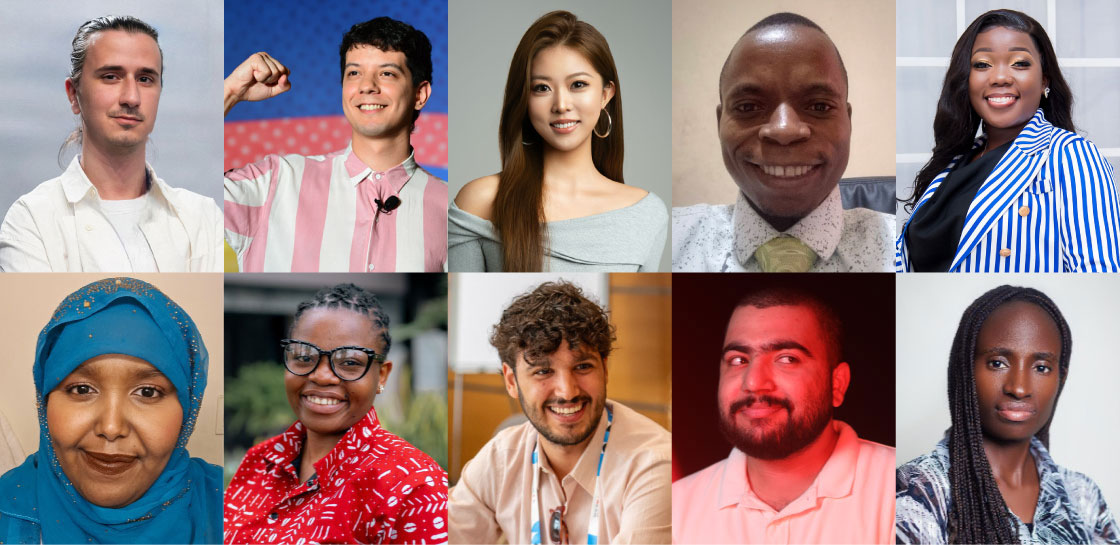
Across the world, young people are not waiting for change; they are building it. From digital health tools to arts-based advocacy, a new generation of HIV advocates is designing solutions that meet the needs of people living with and affected by HIV, rooted in the realities of their communities.
The Youth Hub of IAS – the International AIDS Society – supports five Young Leaders with seed grants of USD 10,000 each to scale up HIV-related innovation projects that respond to a locally defined need. To find out more, visit the Youth Hub Seed Grant Programme.
Meet the 2026 grantees!
The Young Leaders for 2026 presented their projects at AIDS 2026, the 26th International AIDS Conference, which took place in Rio de Janeiro, Brazil, and virtually from 26-31 July. We are excited to see how their ideas will grow and create impact.
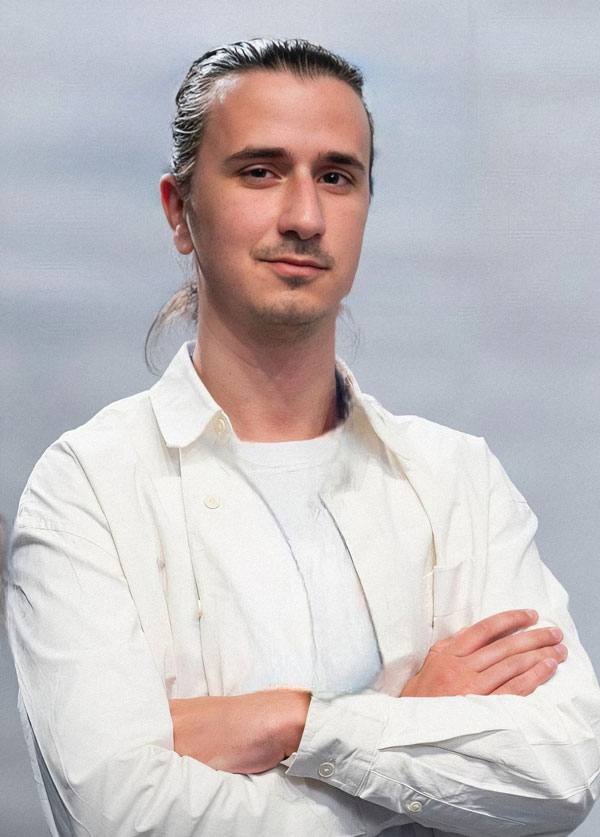 Geldon Hoxhaj with “Equal Access Now: Youth-led Advocacy for PrEP Rights” in Albania: Geldon is a biotechnology student and member of the Albanian Association of People Living with HIV/AIDS, the European AIDS Treatment Group and AIDS Action Europe. The goal of his project is to generate concrete recommendations to align Albania’s HIV prevention policies with regional best practices and EU standards placing young people at the forefront of advocacy and dialogue.
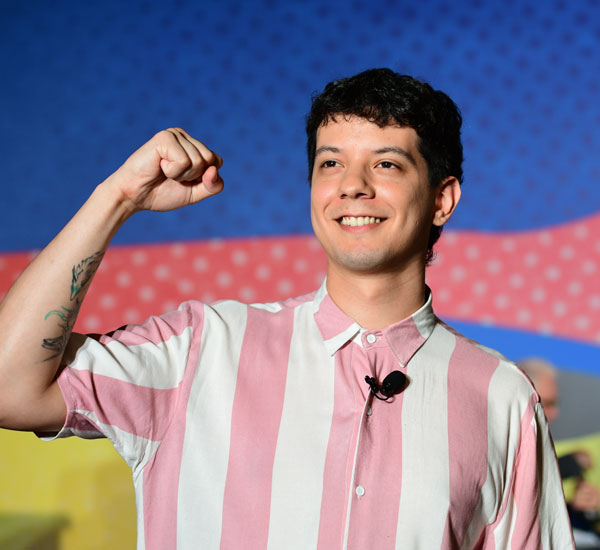 Horacio Barreda with “Building a multisectoral agenda: strengthening coordinated responses to chemsex” in Argentina: Horacio is the Chair of the Youth Council for the Executive Director of the Global Fund and is part of the National Front for the Health of People with HIV. Their project addresses health and social dimensions of chemsex and substance use by designing, developing and disseminating practical and accessible guidelines to provide clear recommendations on recreational substances and harm reduction.
 Mengfei Li with “#UequalsU
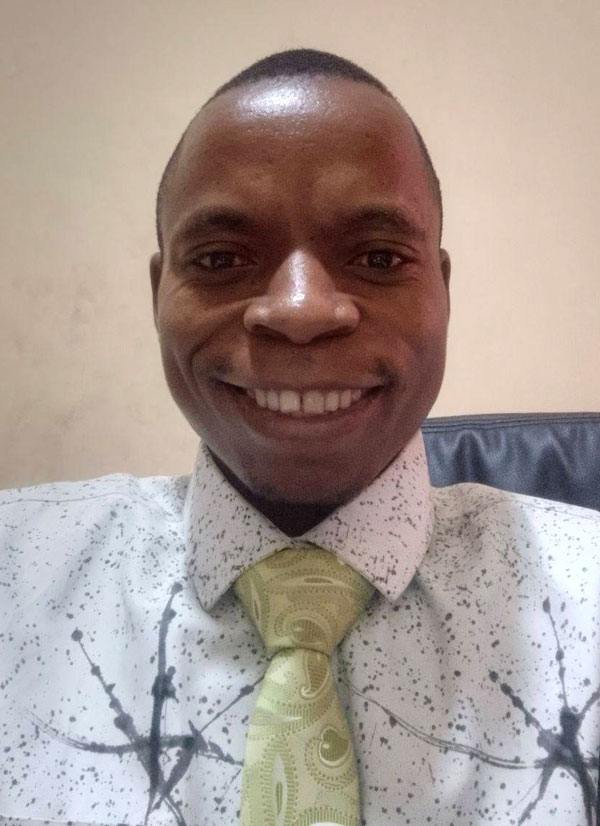 Milemo Lusambya with “Empower & Heal” in Malawi: Milemo is the HIV Programme Coordinator for MAGUFINA and works with UNHCR and Ministry of Health partners to co-design training curricula to build HIV knowledge. Milemo’s project is dedicated to reducing HIV transmission and improving treatment access among young people who are refugees in the Dzaleka Camp through peer-led and trauma-informed interventions.
 Silvia Okoth with “Dumpsite Dada” in Kenya: Silvia is an Advocacy and Policy Manager for the Bar Hostess Empowerment & Support Programme. Silvia designs and implements community-led sexual and reproductive health programmes, including HIV prevention and care for marginalized women and girls. Her project provides weekly medical outreach measures. This includes HIV testing for young women and girls living in dumpsites; they are vulnerable to HIV and other STI acquisition, unplanned pregnancies, violence and unsafe abortions.
Read about the achievements of the 2025 cohort
These projects are already making an impact in their communities.
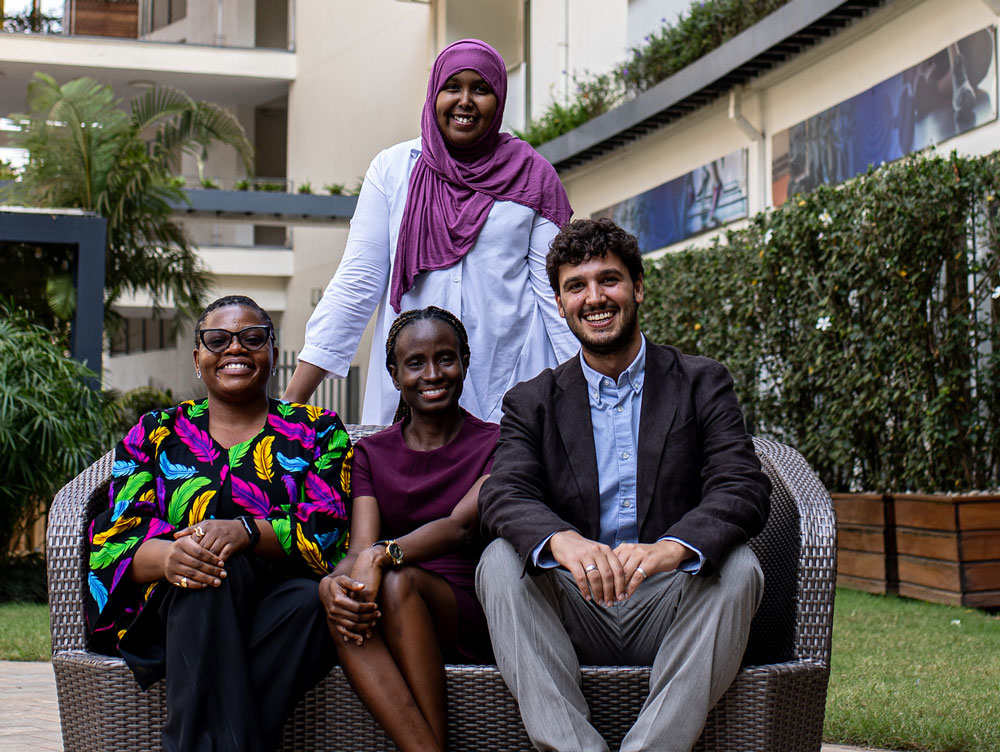
Asha Ulusow with “HYPE Forum 2025: Equitable Futures” in Canada: Asha is a community researcher, advocate and programme creator. At Women’s College Hospital, she coordinates projects in the Women and HIV Research Program, focusing on community-based participatory research, implementation science and peer-led interventions for women, young people and African, Caribbean and Black communities affected by HIV.
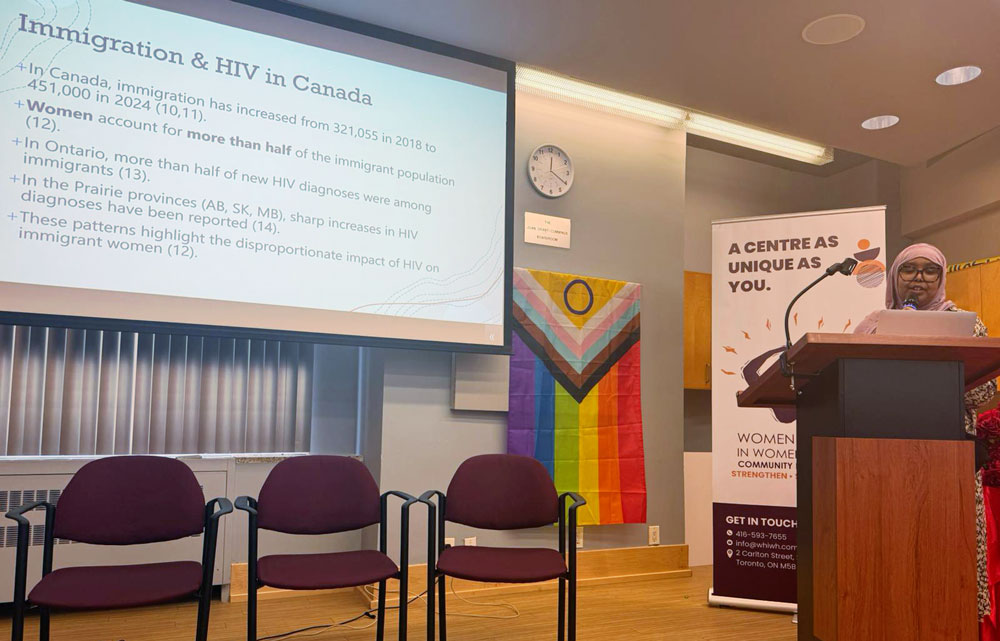
Her grant supported her management of the HYPE Forum 2025: Equitable Futures, a two-day, youth-led gathering for African, Caribbean and Black young people living with HIV, designed to strengthen knowledge, connection and collective action.
Among participants, HIV knowledge increased by 120%, healthcare rights knowledge by 72%, and the ability to navigate healthcare systems by 63%. Additionally, 92% of participants reported reduced feelings of isolation and 94% made new peer connections.
This project was selected because it addresses specific challenges of African, Caribbean and Black young people in Ontario regarding criminalization and access to service providers.
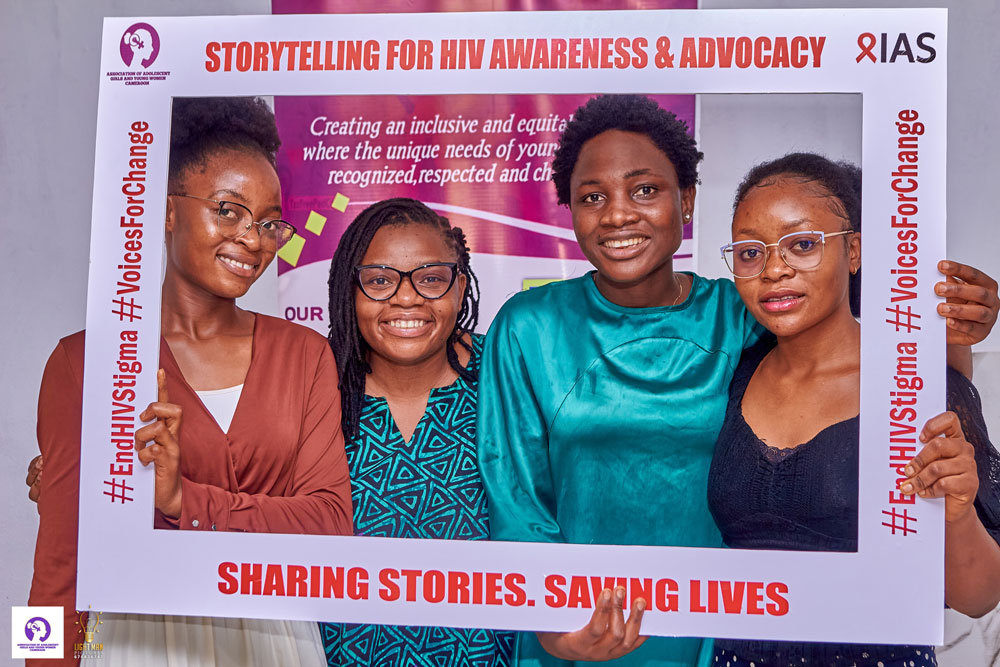
Ndum Charlotte Ayeah with “Storytelling for HIV Awareness and Advocacy” in Cameroon: Ndum is a researcher and policy advocate advancing sexual and reproductive health and rights in conflict-affected communities. She leads grassroots, data-informed initiatives that bridge community voices with policy spaces, combining storytelling, technology and evidence to improve healthcare access and youth participation.
Her project trained 15 young people in storytelling as an advocacy tool and 20 as peer educators. After this, 85% of young people reached by peer educators reported increased access to HIV testing services, and 100% could correctly identify at least three HIV prevention and two HIV treatment methods. Community dialogues produced measurable reductions in stigma toward people living with HIV, including more interaction with young people living with HIV and acceptance of equal rights in education and employment.
This project was selected based on its focus on conflict-affected communities and creative approach to engaging stakeholders.
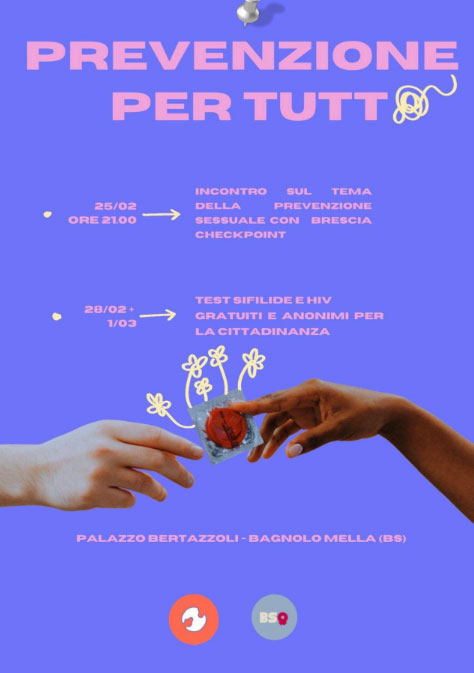
Marco Barracchia with “Digital Youth Sexual Health Academy: Training the Next Generation of Sexual Health Ambassadors” in Italy: Marco is a public health professional and medical anthropologist. He is an Engagement Officer at Médecins Sans Frontières International, supporting movement-wide global member engagement and associative participation.
His project, the first-ever Digital Youth Academy in Italy, empowered 13 young leaders to become Sexual Health Ambassadors with the support of Brescia Checkpoint. Participants built knowledge and confidence in HIV prevention, service navigation and risk reduction through peer-to-peer simulation. The ambassadors designed and implemented community projects spanning gender identity, migration, mental health, faith-based stigma and LGBTQI+ safety.
This project was selected for its reach into rural Italy, empowerment model and clear project plan.
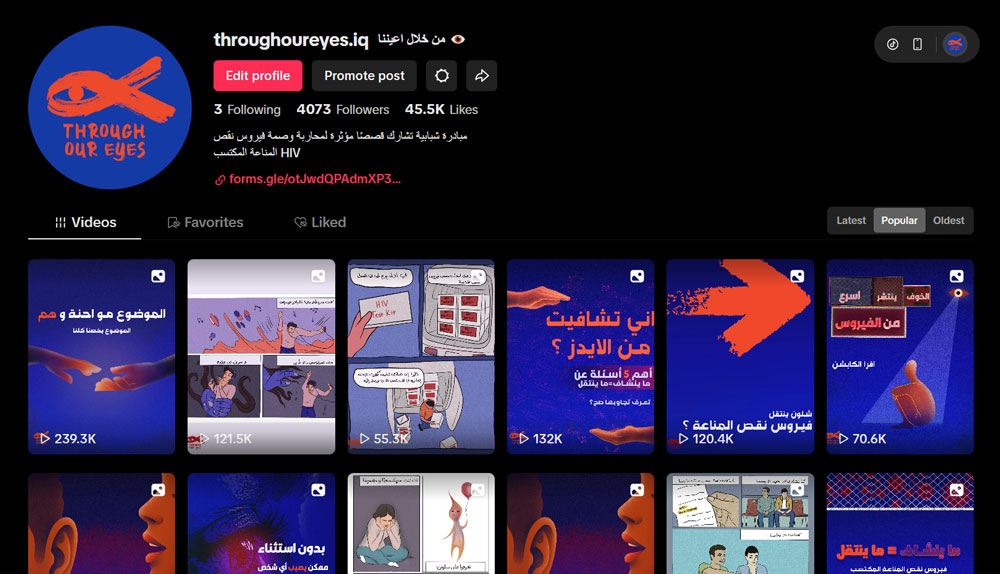
Mohammed Subhi with “Through Our Eyes” in Iraq: Mohammed, an activist and HIV advocate, uses creative expression to challenge stigma, promote sexual and reproductive health rights, and create safer spaces for marginalized voices through comics, illustrations and community initiatives.
His project collected anonymous stories from people living with HIV and turned them into illustrated comics to address stigma and misinformation in Iraq and the Middle East and North Africa (MENA) region. Twenty people joined an in-person workshop in Sulaymaniyah, increasing their knowledge of HIV basics and U=U, and reporting greater acceptance of people living with HIV. The project produced some of the first Arabic-language materials to be featured by the Prevention Access Campaign, bringing new scientific and medical collaborators into the process.
Through Our Eyes was implemented in a region often overlooked in the HIV response, and the Youth Hub Grant Committee was impressed by its creative approach to advocacy in a highly stigmatized context.
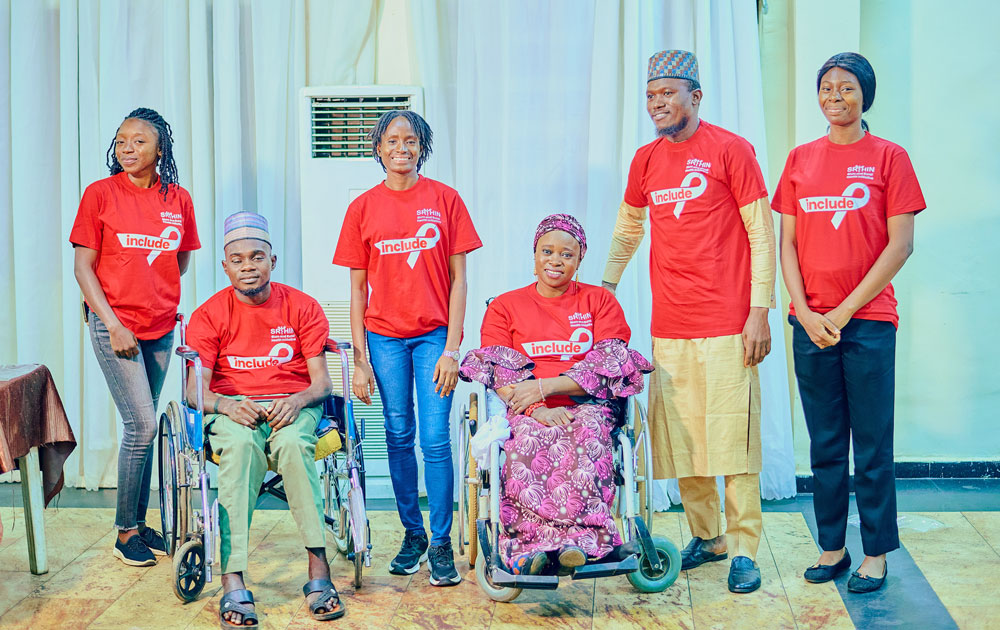
Ruth Oladele with “INCLUDE” in Nigeria: Ruth is the Project and Administrative Officer at the Slum and Rural Health Initiative (SRHIN) and Director of the HIV Research and Advocacy Department of SRHIN. As a physiotherapist, she provided care for people living with disabilities and with HIV.
The INCLUDE project provided young people (15-35 years) with disabilities with HIV testing and prevention services through a youth-participatory approach. It began with a capacity-building and co-creation workshop with 31 participants, including peer educators, young teachers, young people living with disabilities, HIV and sexual and reproductive health and rights (SRHR) advocates and Department of Special Needs Education officials. Trained teachers delivered weekly sessions in small groups and school assemblies across 10 disability centres in Abuja. In total, 500 HIV self-testing kits were distributed, and 1,537 young people with disabilities received HIV prevention and self-testing education.
People living with disabilities are often overlooked and underserved in SRHR programmes, so the Youth Hub was excited to support this initiative.
Find out about projects of previous Youth Hub Grantees.
Meet our previous cohorts
Since its launch in 2016, the Youth Hub has supported 45 young leaders around the world. Many continue to drive impact in the HIV response.
2024
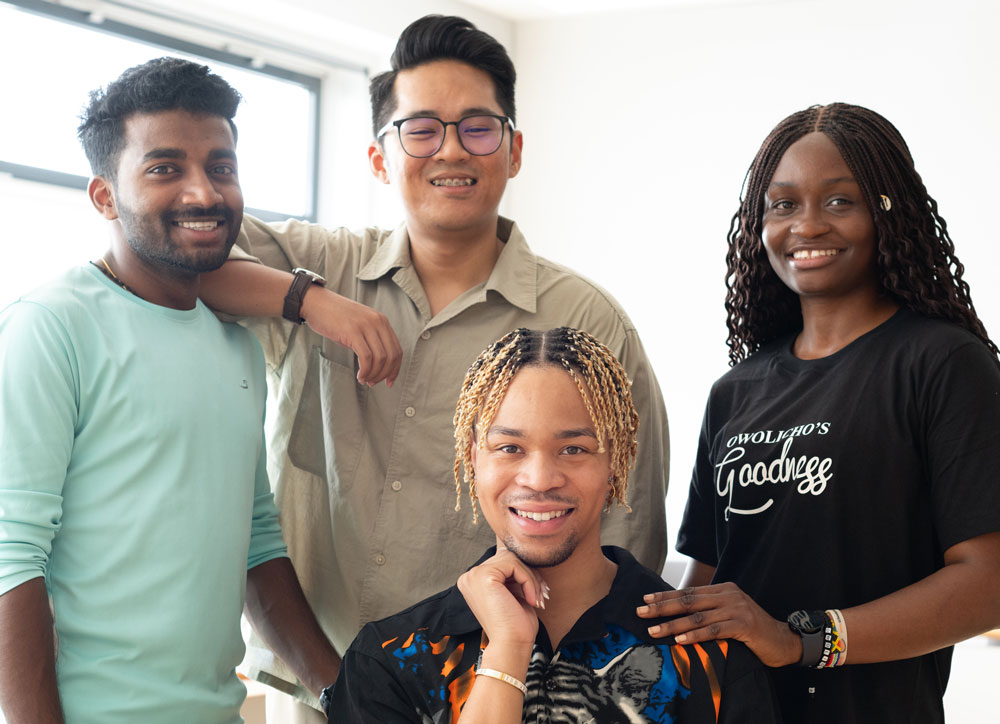
Babu Seenappa with the “Positive Running Program” in India: This initiative reached nearly 500 young people in Karnataka and Tamil Nadu, leading to high ART adherence and over 90% viral suppression. Greater engagement was linked to improved resilience, self-efficacy and mental well-being.
Goodness Odey with “The Gambia SHE Project”: Goodness conducted workshops for 100 young mothers and 24 healthcare workers. She organized community dialogues that reached over 600 participants across 15 communities.
Iva Shkoda with the “Chatbot for young people living with HIV” in Belarus: Iva developed the youth-friendly chatbot, named “WIchat”, which provides informational support on living with HIV, STIs and psychological health, along with free, confidential psychological and legal assistance.
Muhammad Amir Haziq Zakria with “Protest to Perform” in Malaysia: Muhammad spearheaded this theatre-based advocacy project. In collaboration with the Kuala Lumpur Men’s Chorus, he created the musical, “Life is…”, highlighting the lived experiences of young key populations and drawing an audience of over 700 people.
Princess Jauan Durbin and the “Atlanta Kiki Leaders Collective Fellowship” in the US: Through this fellowship, Princess trained four fellows as HIV Prevention Certified Providers and PrEP Navigators and organized community events engaging 320 participants in Atlanta, US.
2023
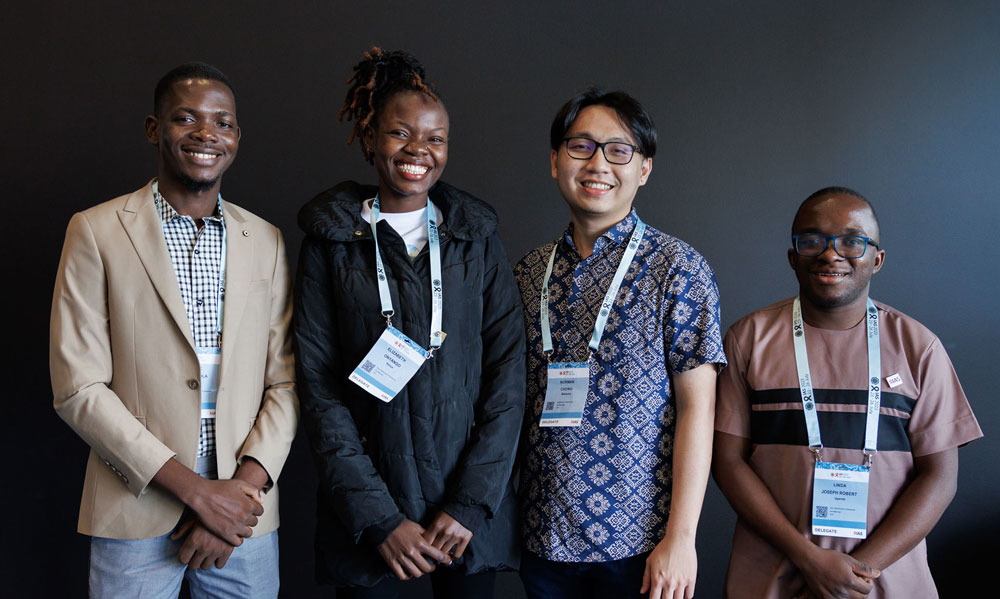
Isaac Ogunkola with “The Knowledge Action Hub” in Nigeria: This project was implemented in the largest refugee settlement in West Africa. It trained 36 peer educators who reached 1,200 people, developed and distributed 5,000 information, education and communication materials, and provided HIV testing for 1,000 people and harm reduction services and contraceptives to over 250 people. The Knowledge Action Hub reported a 30% increase in knowledge and 25% increase in contraceptive use.
Linda Joseph Robert with “Tracer X” in Uganda: The Tracer X digital platform was developed, tested and launched, with staff in 10 healthcare facilities and 30 peer supporters trained in its use. It enhanced timely follow up of young people living with HIV who miss ART clinic appointments and contact tracing for young people who test positive for TB.
Liz Onyango with “Put a ring on it” in Kenya: This project trained 80 young female sex workers as ambassadors who then distributed knowledge of PrEP innovations to 160 female sex workers at a community level. It conducted a media campaign and two roadshows and wrote an opinion piece based on focus group discussions with 100 female sex workers.
Norman Chong with “We Ask the Y” in Malaysia: We Ask the Y conducted a three-day training with 30 people to develop community projects. Sixteen participants were matched with community-based organizations in Malaysia for their projects, and at least six projects received external funding.