
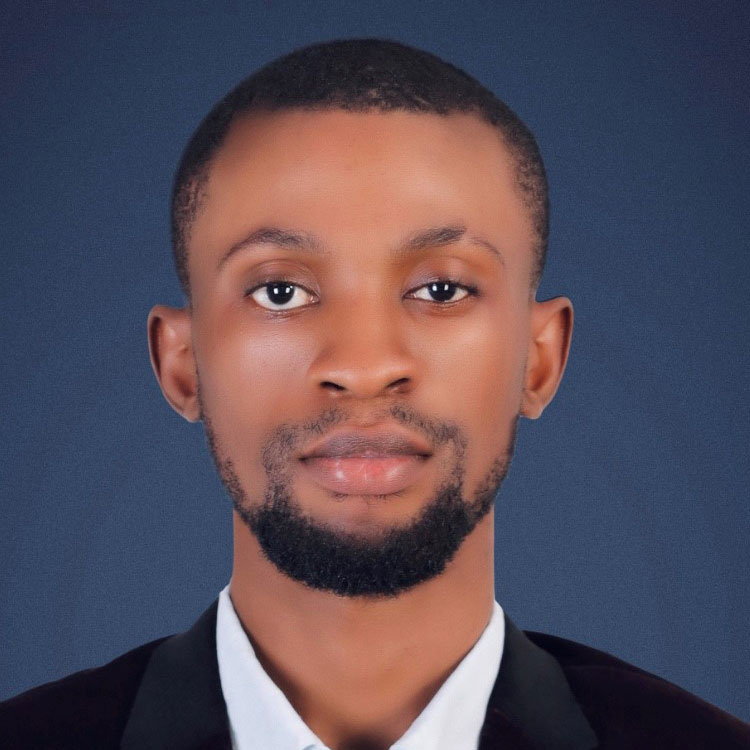
Organization: AJAFD & Coocedap
Region: Africa
Nationality: Congo, the Democratic Republic of the
Country: Congo, the Democratic Republic of the
Interests & expertise: Community leadership
Profession or occupation: Advocate/activist
What inspires you to work in the HIV field?
Growing up in a country affected by conflict, stigma and silence around HIV, I witnessed avoidable human tragedies. One of my classmates was rejected because of a rumour. No one knew if she was actually HIV positive, but she was abandoned. Years later, a 12-year-old girl told me: “I know who gave me HIV … I don’t want to die alone.”
But she wasn’t talking about loneliness; she meant revenge. She was planning to transmit the virus to someone else. That day, I understood that HIV is not just a virus. It is also trauma, silence, pain and a desperate cry for love. Today, I fight to make sure no young person has to face shame or rejection again. I work in this field so that no one ever has to say again: “I don’t want to die alone.”
My mission is to restore hope, dignity and truth.
What are your goals as an IAS change maker?
As an IAS change maker, I want to raise the voices of young people from francophone countries and crisis settings, who are often absent from global conversations. My goal is to transform pain into collective power. I want to promote grassroots solutions rooted in local realities that combine mental health, youth leadership and community-based education.
Having been trained as a peer educator and shaped by the Young Leaders Programme, I now aim to support and mentor other young people, help them build confidence and amplify their impact. I deeply believe that the future of the HIV response depends on our ability to innovate together, to bridge lived experiences with policy. Being a change maker means being part of a generation that refuses indifference, responds to stigma with solidarity, and builds a future where every young person feels seen, heard and empowered.