
Meet the 2026 Healthcare Provider Champions - Brazil
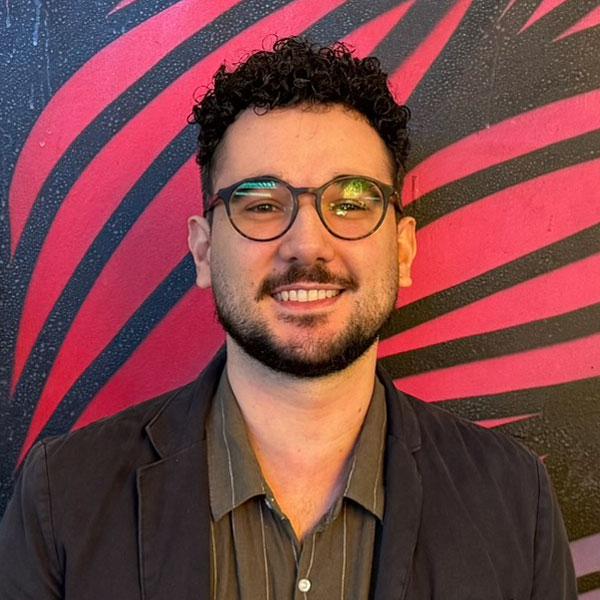
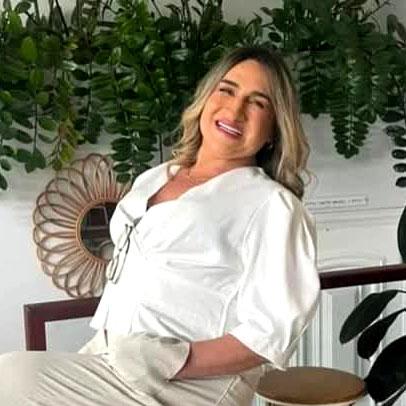
Agatha Tariga nominated Felipe for:
I have been living with HIV for 34 years and, throughout this journey, I have received care from many healthcare professionals. Unfortunately, not all of them were able to provide care free from stigma and prejudice. That is why I can say that Dr Felipe makes a difference.
I believe he is “doing the right thing” because he practises compassionate, person-centred care at all times. One experience I will never forget happened when I arrived at his office extremely tired, short of breath and struggling to breathe. Before even beginning the consultation, he realized that I needed immediate care. He asked me to sit down, placed a pulse oximeter on my finger to check my oxygen saturation and monitored my condition. When he saw that I needed support, he personally went to the pharmacy to get an inhaler to relieve my breathlessness. Only after I was stable and feeling better did he begin the consultation. At that moment, I felt that my life was his priority.
Another thing that deeply affected me was realizing that his care does not end when the consultation is over. I have Dr Felipe’s contact details and, whenever I have a question or something happens concerning my health, I can send him a message. Whenever possible, he replies, offers guidance and shows genuine concern. Knowing that I can rely on this support gives me a sense of security and makes all the difference.
As a travesti and a person who has been living with HIV for 34 years, I have unfortunately experienced prejudice and distance in healthcare settings. Some professionals will not even greet their clients outside the office. With Dr Felipe, the opposite is true. From the very beginning, I was welcomed with respect, dignity and humanity. I was never reduced to my diagnosis or my gender identity; I was treated as a person.
It is because of attitudes like these that I believe Dr Felipe is truly doing the right thing. He challenges stigma not only through words, but through actions. His care, empathy and commitment to his patients transform lives and demonstrate the true meaning of compassionate, person-centred medicine.
Felipe: I am #DoingTheRightThing because…
I am an infectious disease physician. I hold a Master’s degree in public health and am pursuing my PhD in clinical research in infectious diseases. I currently work as a clinical researcher at the Clinical Research Laboratory on HIV/AIDS and other STIs, and I provide clinical care at the Hospital Center, both at the Instituto Nacional de Infectologia (INI)/Fiocruz.
I divide my time between outpatient and hospital settings. In the outpatient clinics, I provide care at the INI sexual health clinic, as well as medical consultations for our cohort dedicated to the transfeminine population. In both settings, I treat people living with HIV, as well as people using PrEP (oral and injectable). In the hospital environment, I provide care in the semi-intensive care unit for clients admitted with infectious diseases, and sometimes in the emergency department – acting as a supervisor for infectious disease medical residents – having contact with clients living with HIV and, at times, those presenting with advanced AIDS.
I received the news of my nomination for the IAS Me and My Healthcare Provider Campaign with great happiness and honour. This positive feedback reinforces that I am on the right track in my clinical practice and my convictions about what person-centred care truly means.
We live in a male-dominated society built around the assumption that everyone is straight and cisgender. This society oppresses,, scars and marginalizes bodies and individuals who deviate from its standards. This ultimately results in the physical and mental illness of people who fall outside this yardstick of pseudo-normality. As a white, gay, cisgender man, although I have privileges, I am impacted by some of theseassumptions, and I experience pain and insecurities for not fitting into these norms. Such marginalization distorts and damages our personal development process and, consequently, our self-image, in addition to being used to stigmatize us.
I believe – and advocate – that healthcare should not be delivered in a vertical manner. And I understand the horizontality of care as something beyond decision making shared between doctor and client. I am referring to allowing yourself to listen and be moved by the human being in front of you. When listening to and welcoming individuals with pain and suffering – often based on stigmas related to gender, sexual orientation, gender identity, race or HIV status (or an intersection of these) – I identify with the person I am treating. These are intersections and affections that permeate our conversations. The medical consultation goes beyond symptoms, complaints and exams. I see the encounter with the client as an exchange: where we both learn from each other; where we mutually empower each other. Welcoming and allowing oneself to be moved results, in my understanding, in internal growth and the possibility of affecting and processing things together with the other person.
For me, healthcare must go beyond mere laboratory values. We need to go far beyond simply checking HIV viral load values and CD4 lymphocyte counts. Healthcare should strive for health empowerment. It is about valuing self-care and, often, working through internal and external prejudices. I often tell my clients that living with HIV is like coming out of the closet. It requires courage. And I do not mean coming out in the sense of “gathering family or friends to make a confession”. There is nothing to be confessed. There is no guilt. But there is stigma and, therefore, illness.
That is why I refer to this coming out of the closet as a process of understanding that a situation outside the norm is present, and that potential self-deprecating feelings, such as shame or guilt, need to be processed in order to be overcome. Beyond the positive result of a blood test, it is necessary to understand that this report is not a sentence – whether a death sentence or one of loneliness – and that the 1980s and 1990s are in the past, even though they still reverberate in the present. I believe it is essential to guide and educate on health, aiming for empowerment so that potential internalized fear and rejection of people living with HIV ceases to exist or does not occur at all. The medical consultation must be a moment of health education.
Many people arrive at the consultation with preconceived notions stemming from the media and internet searches. This culminates in a perspective of illness and death related to HIV. And, from that point, I invite them to set aside the view of death and illness and begin our exchange from a perspective of life, since our consultations will occur across various aspects of lifeand we will be discussing living with HIV.
I like to suggest that people use their social networks to look for content-producing influencers who live with HIV. Following healthy, empowered and happy people can make a difference in the self-care process. I often watch a video called “The HIV Positive Poster” (O cartaz HIV positivo) by the Group of Incentive to Life (GIV), available on YouTube, with my client. It is through this approach to life and continuity that I believe we are able to reconnect with self-care and self-love. It is necessary to reinforce that we are not defined by ICD codes or labels.
Finally, I think I am on the right path in understanding that I have a genuine interest in getting to know the person I am treating – their fears; their dreams; their perspectives – exchanging frustrations and fears. By listening to and welcoming the human being in the role of a client, I am listening to myself, working through my own feelings, and growing. It is an exchange. It is an encounter. These are affections and intersections, where everyone present in that consultation room ends the appointment having reflected and processed their emotions in some way.
I understand them. And if our clinic has managed to become a safe haven for even one person, if we’ve earned that trust, I feel immense pride in what we do.
I do this job because I want to help eliminate the misinformation, prejudice, stigma and marginalization faced by people living with HIV. I want to contribute to building an equal, just and safe society.

* To protect the identity of the nominator, a pseudonym is used.
Gadelha nominated Asuman Luiz Fernando for:
I am 34 years old and, when I discovered that I was living with HIV, it was already at a very advanced stage. For a long time, I suspected that I might have HIV, but the fear of confirming what I dreaded prevented me from seeking answers.
At one point in my life, I began experiencing seizures. I attended several medical appointments, and some professionals attributed the symptoms to anxiety. However, after a few days, one doctor decided to admit me to hospital for a more detailed investigation and requested a series of tests, including an HIV test.
That was when I received the diagnosis I had feared so much.
During my hospital stay, I was fortunate to be cared for by Dr Luiz Fernando. From the very beginning, he recognized the fear, insecurity and anguish I was carrying. At the time, I was married, and one of my greatest fears was that I might have transmitted HIV to my partner.
With great sensitivity, respect and humanity, Dr Luiz never pressured or forced me to tell my partner. Instead, he welcomed me, guided me and helped me find the strength to face the situation in the best possible way. With his support, I was able to speak with my partner, who, fortunately, remains HIV negative.
After I was discharged from hospital, Dr Luiz remained present throughout my journey. He was always available to answer questions, offer advice and, very often, simply listen to me during the most difficult moments. His dedication goes far beyond medicine: he shows a true passion for what he does and, above all, genuine empathy for every person he treats.
Today, I can say that I consider him not only an exceptional doctor, but also a friend. I am deeply grateful for all the care, support and compassion I have received along the way.
I now live a full and healthy life. I exercise, take care of my health and have found the peace of mind to move forward. My HIV status, which once represented fear and suffering, no longer defines who I am or limits my dreams. It is simply one part of my story – a story of resilience, learning and gratitude.
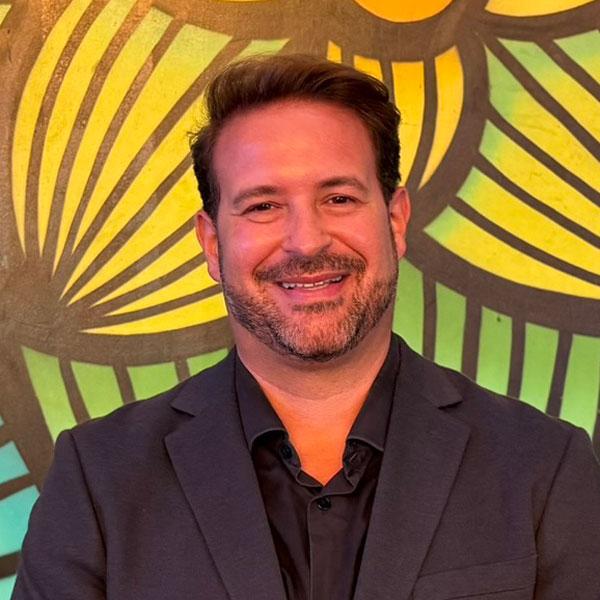
Luiz Fernando: I am #DoingTheRightThing because…
I am 43 years old and an infectious disease physician working in the eastern area of São Paulo, Brazil. I graduated in medicine from Unicamp and completed my medical residency at Hospital Santa Marcelina, where I continue to work today. I also have the privilege of helping to train new specialists in internal medicine and infectious diseases – a mission that honours me every day.
Caring for people living with HIV is highly complex. We care for the biological aspects of the condition, which is essential so that everything else can have even greater meaning. Living with HIV today truly means living alongside it for the long term. That life must be lived with quality, enjoyment, well-being and equity in society.
The search for new medicines and new treatment options is extremely important, but we need to go further. This may be one dimension of care in which we have also progressed, although much more slowly.
Working at both ends of the care pathway – in hospital, supporting clients during admission, and in outpatient care – has given me a valuable opportunity to understand their fears, distress, lack of information, shock, the impact of diagnosis and its effects on life afterwards. I have also had the opportunity to continue caring for many of these clients after diagnosis and, often, after hospitalization, listening as each person processed their experience over time.
This is how I learnt that the best way to welcome and support someone is not simply to communicate medical information correctly, however accurate it may be. It means understanding when, how and in what form that information can be received by that particular person. I often try to put myself in the client’s place so that I can adapt the most appropriate technical response for that moment. I could easily have been in their position. That has always been very clear to me.
I do not assume that I know how a person lives or how they should live. I listen first. I try not to turn the consultation into an interrogation or reduce someone to HIV, a viral load or the number of tablets they take. HIV is part of their story, but it does not define who they are.
I have learnt that stigma does not always come from outside. Clients often carry within themselves the stigma they have learned from society, and sometimes they cannot even name what they are feeling. This is undoubtedly the most devastating form of stigma. Simply telling someone that I understand that fear, shame or guilt may be present – without requiring them to speak about it – can be profoundly reassuring. They do not need to find the courage to say everything at that moment. From there, however, we can begin to work through it together, with support from the entire multidisciplinary team.
Over time, I noticed something striking: many of the stories, ways of processing the diagnosis and questions raised by clients were similar. Each person is unique, yet many shared the same anxieties and reacted in comparable ways. I gradually developed a repertoire of experiences, reactions, questions, answers and stories of resilience shared by clients themselves. Today, this repertoire helps me show each new person that, although their suffering is unique, they are not alone in it.
Perhaps this is what I have learned to do: listen to a story without judgement, recognize each person's stage in their journey, adapt my language, avoid assumptions, avoid imposing and, above all, remain present and persist. Each client, in their own time, gets there and smiles again.
They learn to remain after the diagnosis, after the hospital stay and after the initial fear. They choose to be present when life begins to happen again – because the goal of care is not merely for a person living with HIV to survive, but for them to live with a smile, with plans and dreams and, as I often joke, while dealing with the bills.
Every one of my clients has, in some way, helped me to help another client.
For that, I thank everyone who has entrusted me with their story.
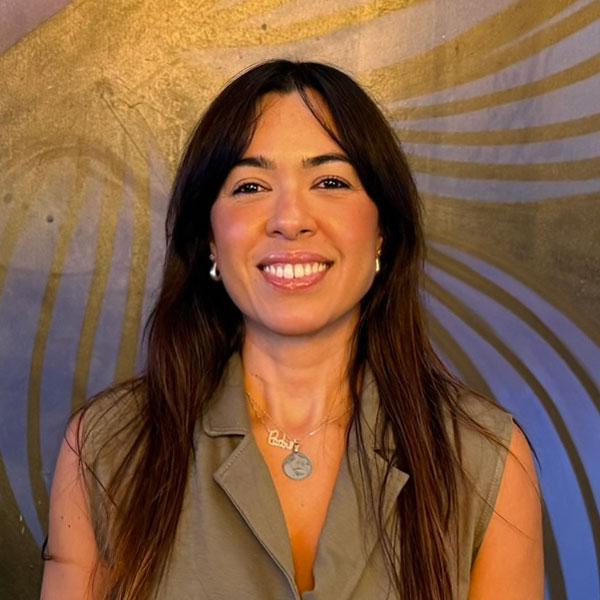
Camila Almeida Caetano: I am #DoingTheRightThing because…
I am a family health strategy nurse in Brazil, the focal point for the HIV care pathway at my primary healthcare unit, and a Master’s student in family health at ProfSaúde Fiocruz.
Interestingly, I did not choose to work with HIV. As a family nurse, I support people with a range of health conditions, and taking responsibility for this area of care happened naturally. But it was people living with HIV who transformed my understanding of what it means to care.
Over the years, I realized that their greatest suffering often did not come from the virus. It came from stigma. I met people who concealed their diagnosis for years, even from healthcare teams with whom they had already built a strong relationship. Some travelled to distant services simply because they were afraid of being recognized. I saw how prejudice could make someone emotionally unwell, drive them away from care and make them believe they had to hide part of themselves in order to be accepted.
That was when I understood that providing stigma-free care is not simply about treating everyone with respect. It is about creating a space in which people do not need to hide who they are.
In my practice, that is exactly what I try to do. More than following protocols, I try to create an environment where people feel safe to ask questions, cry, laugh, tell their story and take part in decisions about their own treatment. I explain that HIV is now a chronic condition, that effective treatment is available and that it remains possible to live a full life. More than sharing information, I try to restore hope and autonomy. I want each person to understand what living with HIV means today, understand their own care and become the leading actor in their own journey.
I have never been able to see any sense in associating HIV with a person’s character. Sexuality is part of the human experience, and so is vulnerability. HIV does not choose a profession, religion, sexual orientation or marital status. It can affect anyone at some point in life. Perhaps the greatest challenge is abandoning the idea that a diagnosis reveals who a person is. That is why I believe no one should have to carry shame in order to receive care.
Today, I am certain that I am doing the right thing not because I know every protocol, although protocols are essential. I believe it because protocols alone do not keep people engaged in care. What sustains them is the relationship built between the person receiving care and the person who welcomes and supports them.
Today, we have rapid tests, effective treatment, free access to medicines and services distributed throughout the country. Science has given us extraordinary tools. But I believe the greatest remaining challenge is a human one.
What is still missing is not technology. What is still missing is human connection.
It is precisely within that relationship that I choose to work every day because I believe no one should have to hide who they are in order to receive care.