
12:05 - 12:50pm [CET]
Background
In the past decade, the HIV prevention and disease management landscape has evolved with the introduction of innovative biomedical tools like pre-exposure prophylaxis, microbicides, long-acting antiretrovirals and broadly neutralizing antibodies. Despite this, global challenges persist, especially in regions like the African continent, which accounts for two-thirds of people living with HIV globally, and India, where prevalence is the third-highest among countries. Gaps in reach, access and adherence to interventions underscore the need for continued efforts, including the development of an HIV vaccine. Engaging target populations early in vaccine discovery is crucial for creating scientifically robust, contextualized and scalable solutions.
Emerging pockets of vulnerability and potential engagement strategies
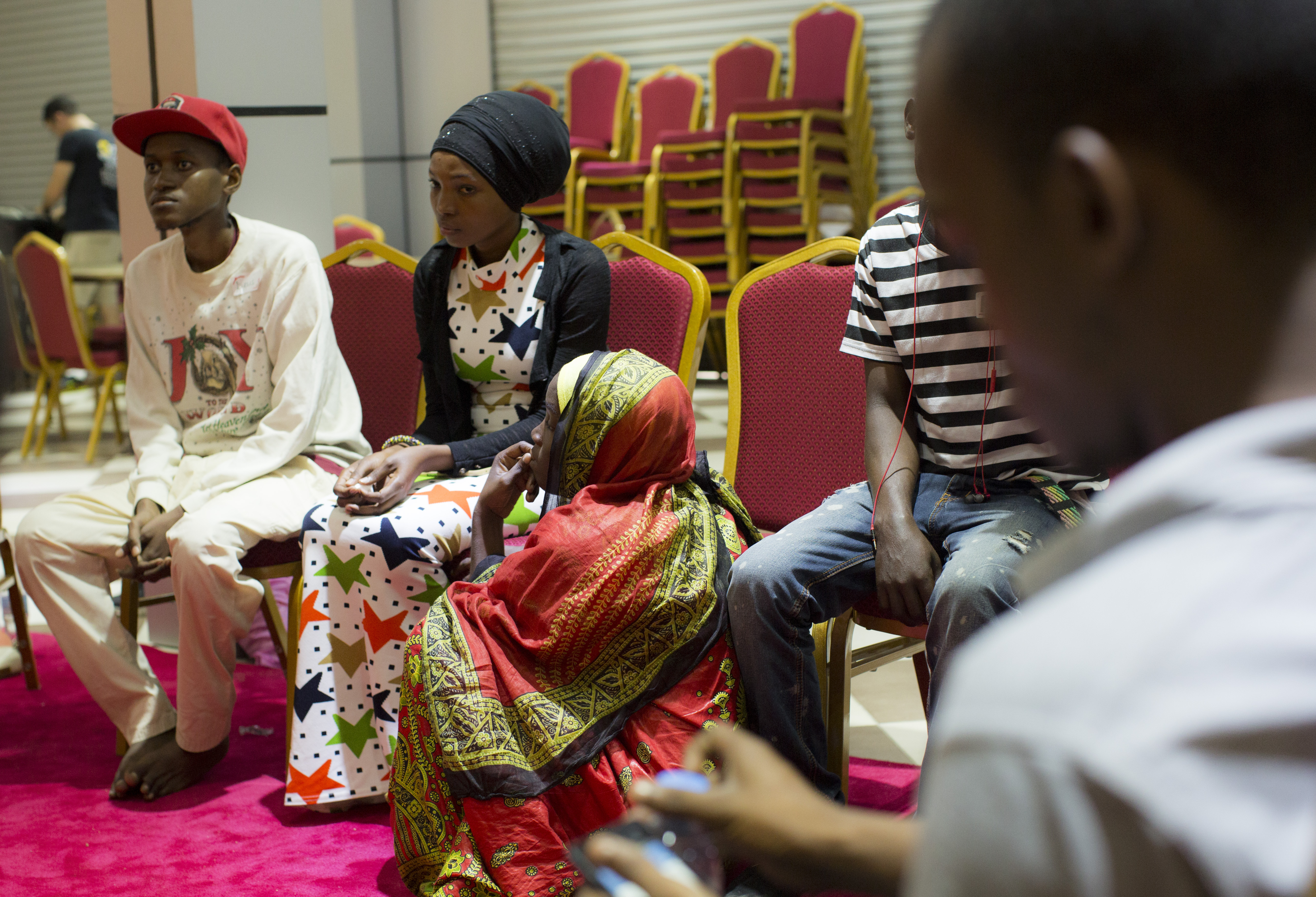
The success of HIV biomedical products relies on sustained uptake, influenced by social, behavioural and structural factors. To address emerging dynamics, effective engagement strategies must consider contextual diversity. UNAIDS reports from 2022 reveal significant variation in new HIV acquisitions. Adolescents and young people (15-24 years) are increasingly vulnerable, with 1,100 daily HIV acquisitions in 2021. Key populations (sex workers, men who have sex with men, trans people, and people who inject drugs) accounted for 70% of new acquisitions in 2021. The increased availability of mobile phones and the internet has led to a surge in digital platform use, creating new HIV transmission networks, especially in Africa and India. Researchers are exploring perceptions and prevention practices in these populations to inform culturally relevant strategies. Comprehensive approaches, like enhanced peer outreach, index testing, peer navigation and online outreach, are emerging as impactful ways to engage previously unreached populations and connect them to quality HIV services.