
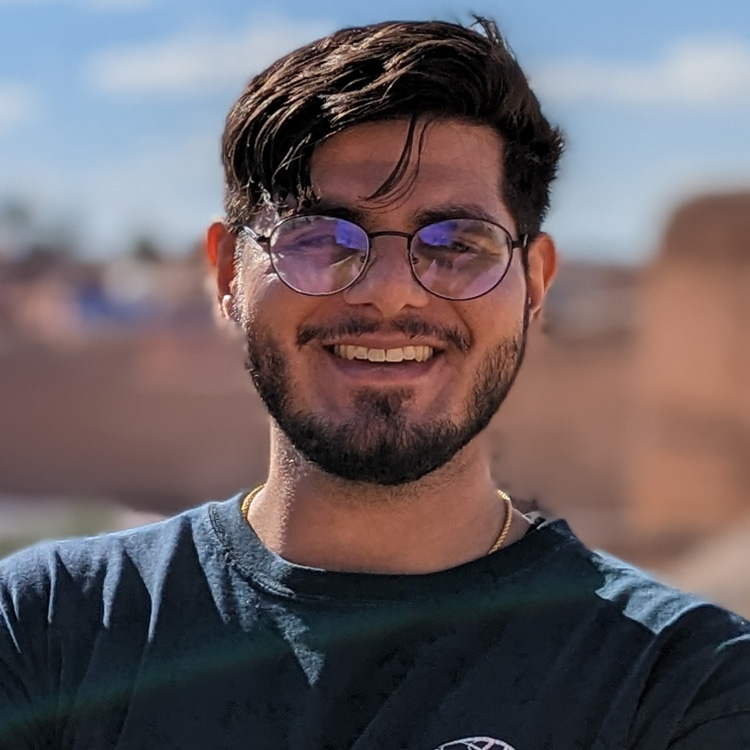
Organization: McGill University
Region: USA and Canada
Nationality: Canada
Country: Canada
Interests & expertise: Key populations
Profession or occupation: Researcher
What inspires you to work in the HIV field?
My goal is to imagine, establish and implement equitable, innovative and sustainable models for healthcare delivery and higher education – models which appropriately respond to the changing needs of marginalized and vulnerable populations while respecting the humanity and personhood of people and populations.
Migrants living with HIV are a particularly diverse yet often vulnerable group that encounters numerous multifaceted challenges across their HIV care trajectory. What inspires me to work in this field are the interactions I have had with migrant people living with HIV throughout my doctoral studies. Their resilience, their unique yet shared identities and stories, and the unjust systems that they continue to navigate push me to accelerate my efforts in ameliorating systems.
What are your goals as an IAS change maker?
Before change is made, we must listen to, learn from and engage those whom we seek to change the system with. We cannot operate any longer under the assumption that our lived experiences are sufficient when making decisions that affect the lives of vulnerable and marginalized populations. Even if we came from underprivileged backgrounds, we are now given an opportunity to lead change. This means we must be ever more careful with the questions we ask, the policies we push, and the priorities we tackle.
To ensure that change unfolds responsibly and sustainably, we must consult with stakeholders and empower all to engage in the change-making process collaboratively. Consultation must also extend across institutions and sectors – tearing down silos. My goal as an IAS change maker is thus to foster an environment where stakeholders can come together to listen, learn and contribute towards the change we jointly wish to see.