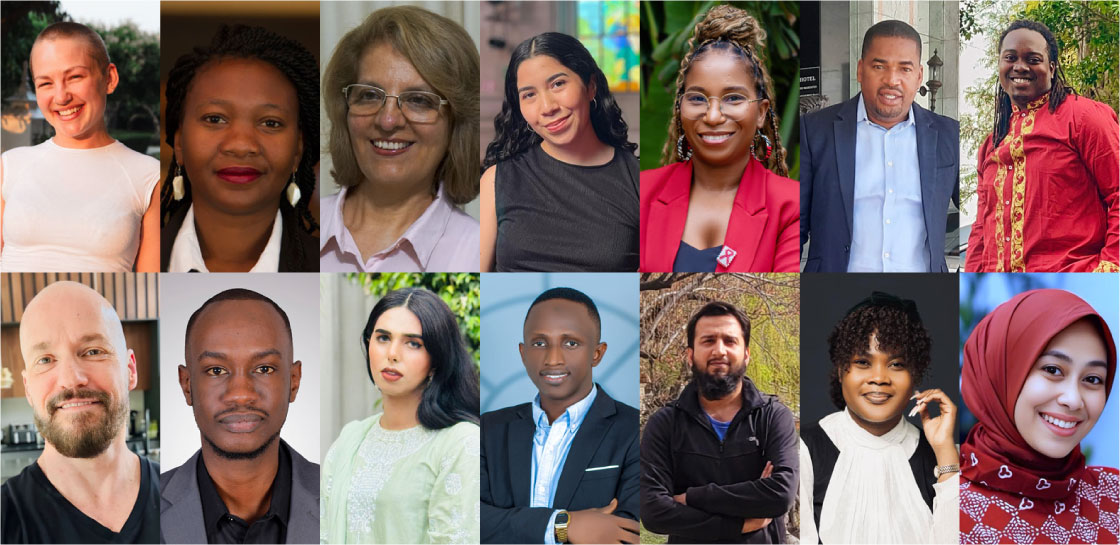
We are delighted to introduce the 2025 cohort of the IAS Mentorship Programme, whose goal is strengthening the next generation of leaders in the HIV response.
The IAS Mentorship Programme provides a forum for experienced and younger participants to develop an ongoing relationship by meeting regularly and discussing matters related to the area of HIV within an organized and supportive framework. The programme also provides various skills development opportunities through virtual learning events and space for discussion during mentoring circles and team-building activities.
To find out more, visit the IAS Mentoring Programme web page.
Meet the 2025 cohort
Quotes have been lightly edited for clarity and style consistency.
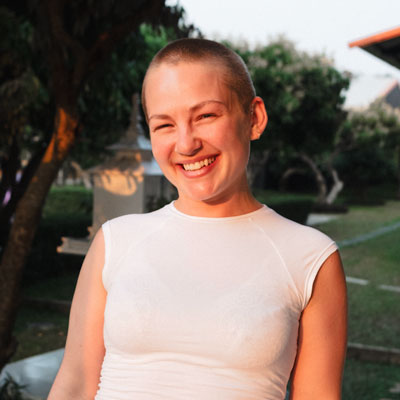 Alexandra Arrhén, mentor, Sweden
“The challenge I am most motivated to address is stigma. If stigma did not exist, more people would get tested, fewer people would worry about disclosure, and more individuals would stay on ART and maintain an undetectable viral load. By sharing my experiences and factual information, I hope to challenge misconceptions and promote a more inclusive and informed society. Being part of the HIV community fosters connections, collaborations and friendships worldwide. It empowers individuals with knowledge and resources, increasing their ability to drive meaningful change and support others. Through mentorship, we can amplify voices, share best practices and work collectively toward a future free from stigma and barriers to care.”
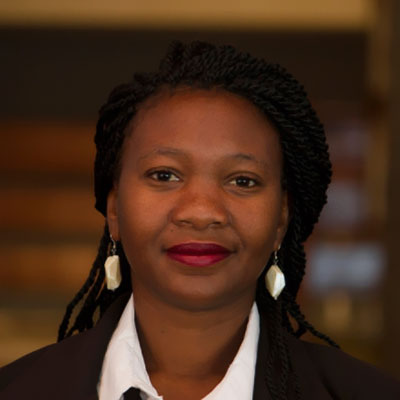 Anna Miti, mentor, Zimbabwe
“I am passionate about translating HIV research to more people who are non-clinicians and non-scientists, like communities, for better advocacy. I think making science research more accessible to all people leads to better outcomes in HIV prevention and treatment, especially when it comes to countering misinformation and disinformation. I also work closely with the media to train and capacitate them on better health reporting because the media plays a crucial role in closing the information gap. The gaps and challenges in youth advocacy, media literacy and access to research information are what I would like to work on the most.”
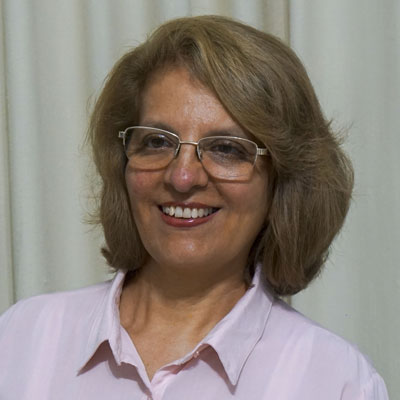 Luisa Rubiano, mentor, Colombia
“What inspired me to join the IAS Mentorship Programme is the need to share my experience gained over the years working on HIV, with an emphasis on women and children. With the 2025 IAS Mentorship Programme, I hope to transmit the experiences that have contributed to the growth of health professionals and individuals affected by HIV. I think mentorship can strengthen the global HIV response by sharing key processes that have been successful in different contexts and testing their effectiveness. What excites me the most about being part of this programme is being in contact with new generations, with different expectations and ways of interacting in the clinical and public health environment.”
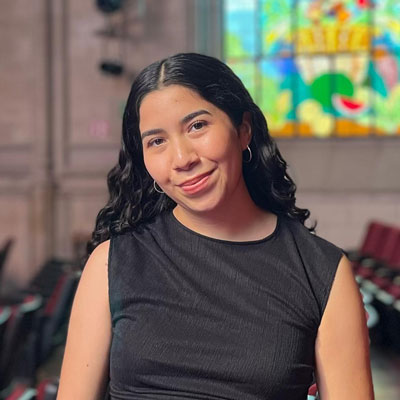 Mariana Ramírez, mentee, Mexico
“While I am motivated and grateful to be living in a time where huge progress has already been made, I am equally aware that much remains to be done in the field of HIV. I hope to keep working towards improving health outcomes for vulnerable populations and, ultimately, drive positive and long-term change within my line of work. Mentorship, as a mutual learning experience, is vital for navigating the complexities of the field and a key part of shaping future advocates committed to improving both individual and community health outcomes for people living with HIV.”
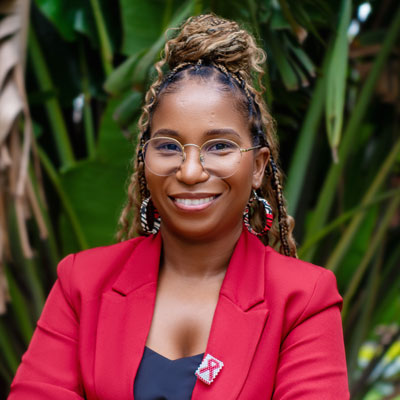 Olga Cambaco, mentee, Mozambique
“Navigating a career in HIV research in low- and middle-income countries presents unique challenges, and I believe that structured mentorship can provide crucial guidance in overcoming barriers, fostering collaborations and driving impactful research. Through this programme, I hope to gain insights that will not only benefit my own career trajectory and professional network, but also contribute to strengthening research capacity and leadership in Mozambique. As a young researcher from a low- or middle-income country, I am committed to being part of the limited number of health researchers contributing to the HIV response, particularly as a woman in this field.”
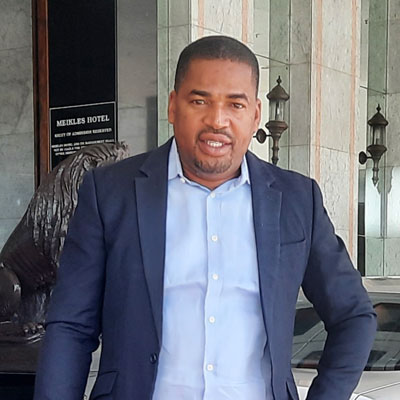 Pius Nwaokoro, mentor, Papua New Guinea
“As a public health physician and strategic information specialist, I have dedicated my career to strengthening health systems, improving service delivery and enhancing data-driven decision making in HIV programmes. However, I recognize that mentorship plays a pivotal role in personal and professional growth, and the opportunity to learn from seasoned experts in the field is invaluable. Throughout my career, I have witnessed firsthand the challenges faced by HIV programmes, from service delivery gaps to structural barriers in policy implementation. Engaging with mentors who have navigated similar complexities and successfully driven change offers a unique opportunity to gain practical insights, refine my leadership skills and adopt innovative strategies to improve programme outcomes.”
 Rahim Miller, mentee, United States
“A colleague within the Adolescent Medicine Trials Network for HIV Interventions suggested I apply. They promoted the mentorship programme to me because of my work involving community engagement and youth advocacy. Personally, I wanted to take the opportunity to seek out a formalized mentorship opportunity to learn more about the experience of established people from a similar background and trajectory as mine. I believe that this is an invaluable networking opportunity to be exposed to more of the happenings in the field, allowing me to make a more informed decision about the trajectory of my professional future.”
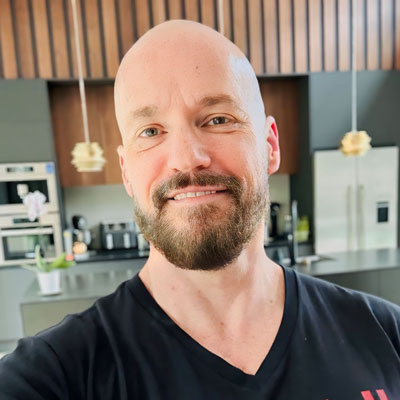 Randy Davis, mentor, Canada
“I am most motivated to address HIV stigma, misinformation and inequities in access to testing, treatment and prevention. I also advocate for greater awareness of U=U and the need for policy reforms around HIV criminalization to ensure that people living with HIV are treated with dignity and respect. Mentorship helps bridge generational and experiential gaps, ensuring that knowledge, strategies and leadership skills are passed forward. By fostering connections, sharing best practices and empowering new leaders, mentorship creates a stronger, more coordinated global HIV response that is adaptable, informed and sustainable.”
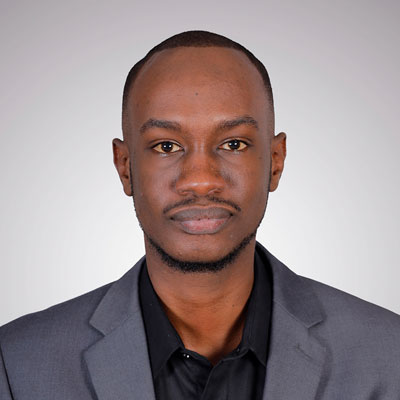 Ravel Gatoto, mentee, Burundi
“Through the 2025 IAS Mentorship Programme, I hope to develop a clear strategic vision and framework for the work I do in Burundi. I see this programme as a transformative opportunity, one that will enhance my advocacy efforts and amplify the impact of the work I do in my community. I also aim to build meaningful collaborations that will strengthen my initiatives and enable the development and implementation of new projects and programmes that elevate and empower the voices of young people in all their diversity in my region.”
 Sadya Salaar, mentee, Pakistan
“As an advocate for marginalized communities, I aim to refine my skills, learn innovative strategies from transnational advocates and activists, and adapt best practices to ensure that a client-centred approach is integrated into healthcare systems, making services more accessible and inclusive. This mentorship will provide me with invaluable insights into global HIV strategies, helping me develop a stronger foundation for my future work in public health. As I plan to pursue an MPH, this experience will equip me with practical knowledge and networks, enabling me to implement effective, community-driven interventions in HIV prevention and care.”
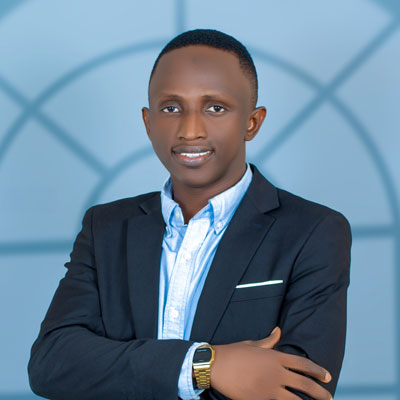 Saidu Ibrahim Bangura, mentee, Sierra Leone
“The IAS Mentorship Programme has a rich history of fostering collaboration among young advocates and enhancing their capacities to lead in HIV response. As a young advocate in advancing SRHR, I am particularly drawn to join the Mentorship Programme to enhance my capacity and broaden my network for potential partnership and collaboration. With the IAS Mentorship Programme, I would be able to identify weaknesses, strengths and wants, as well as build my confidence and ways to navigate through barriers to advancing the global HIV response.”
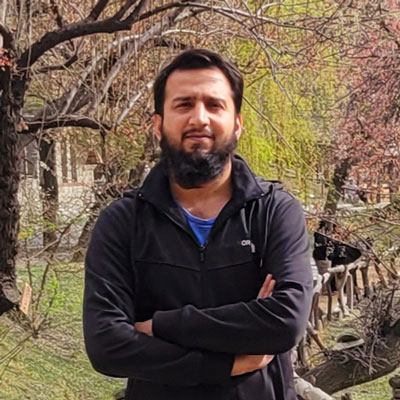 Salman Waheed, mentee, Pakistan
“I hope to grow as a researcher, improve my communication, excel as a paediatrician and become a more impactful voice in my society. Looking forward, I aim to expand my clinic into a regional centre of excellence, incorporate digital health tools for rural access and explore entrepreneurial ventures, such as medical billing to support sustainable care models. I’m most motivated to address the stigma surrounding HIV and improve testing access, especially in underserved areas.”
 Thokozani Jane Kasiya, mentee, Malawi
“I want to increase my visibility in the global HIV community, and being part of the IAS puts me in the right space to do just that. This mentorship is a stepping stone to greater opportunities, and I plan to maximize it fully. One of the biggest challenges I want to address is the gap in HIV prevention and treatment awareness. While pre-exposure prophylaxis and post-exposure prophylaxis are effective HIV prevention methods, many people in Malawi are unaware of them. Even worse, some health facilities do not have these medications available. I want to advocate for both awareness and accessibility because promoting something that isn’t accessible is like selling people a dream that doesn’t exist.”
 Yusshy Herliani, mentee, United Kingdom
“I hope I can level up my knowledge of the latest breakthroughs in HIV treatment, prevention and care and discover ways to integrate these into my teaching and research. I can’t wait to connect with incredible professionals and researchers, share ideas, explore exciting collaborations and expand my network for growth. I’m also eager to receive guidance from my mentor on career planning and learn how to make a more significant and impactful contribution to the field.”
The IAS Mentorship programme is supported by L'Initiative, a French mechanism complementary to the Global Fund and implemented by Expertise France. L'initiative accelerates efforts to combat major pandemics and supports countries in improving access to quality healthcare services for their populations.
The IAS Mentorship Porgramme is also made possible by the IAS Educational Fund. This educational activity is supported by an independent educational grant from ViiV Healthcare. ViiV Healthcare was not involved in the development of content or selection of faculty for this educational activity.
This website has been produced with the financial assistance of Expertise France. Its contents are the sole responsibility of the IAS and do not necessarily reflect the views of Expertise France.